
Search
Showing results for "early life"
Small case series have described awake supraglottic airway placement in infants with significant airway obstruction and difficult intubations. We conducted this study to determine outcomes when supraglottic airways were placed in awake children enrolled in the international Pediatric Difficult Intubation Registry including success of ventilation, success of tracheal intubation, and complications.

Teenage years can be a challenging time for families, a period made all the more difficult if a child has Type 1 Diabetes.

Senior Speech Pathologist Sally Grauaug looks at how to build the foundations of communication with your child.
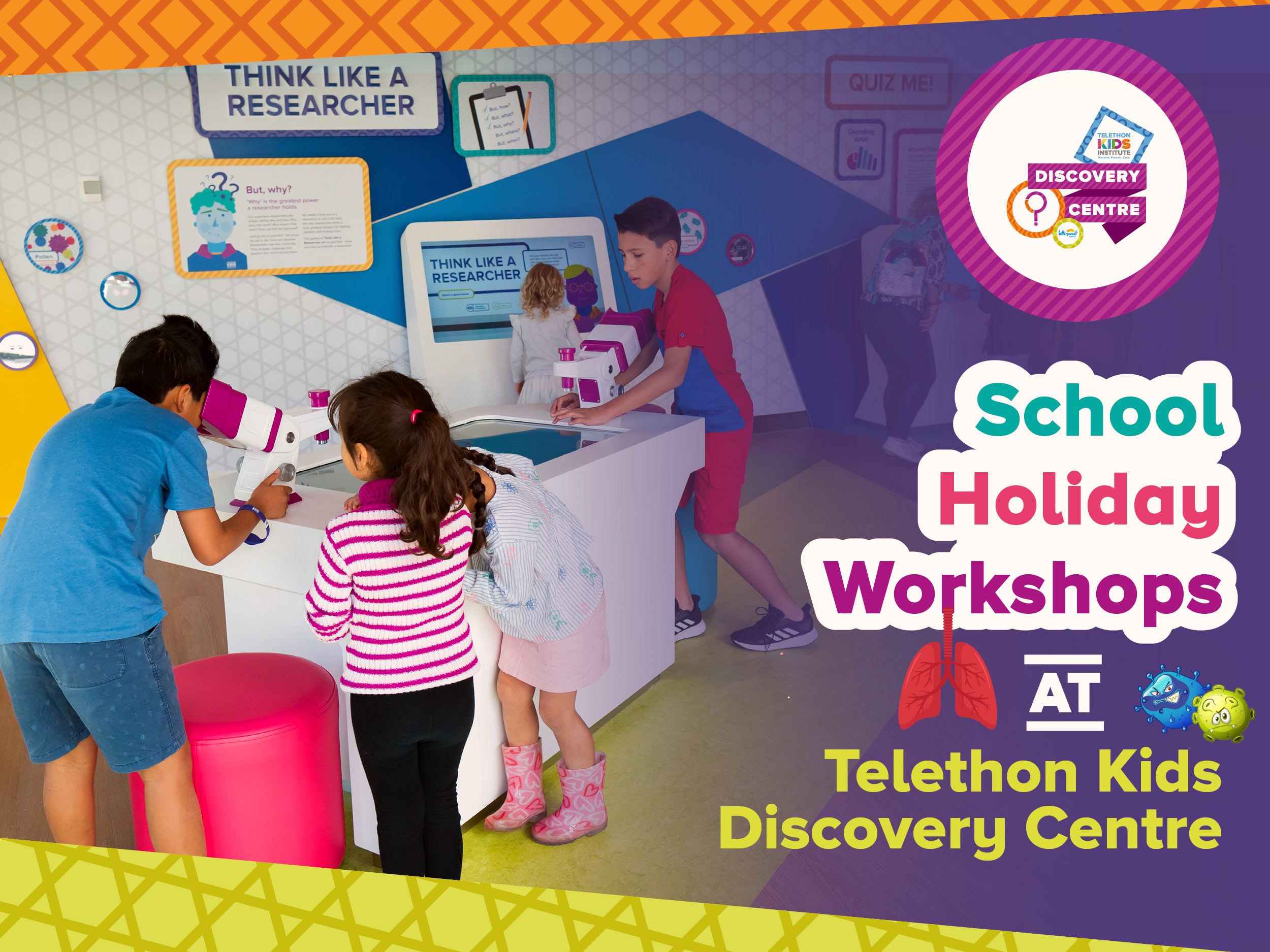
The The Kids School Holiday Workshops are back on this January holidays with a bigger and bolder program of fun and educational workshop for kids!

Definitions of sexting vary but there is a general consensus that it involves ‘sexually explicit content communicated via text messages, smartphones, or visual and activities such as social networking sites’.

A child can’t thrive if they don’t have a roof over their head.
The paediatric population has a low adherence and acceptance rate of unpalatable medicines. This study aimed to determine whether eating chocolate immediately prior to drug administration would help to mask the bitter taste of a drug. The difference in taste masking efficacy between white, milk and dark chocolate was a secondary measure outcome.
Mobile touch screen devices (smartphones and tablet computers) have become an integral part of many parents’ and children’s lives, with this interaction linked to physical, mental and social outcomes. Despite the known importance of parent-child attachment, evidence on the association between device use and attachment was yet to be reviewed.
Children are at risk of severe hypoxemia in the perioperative period owing to their unique anatomy and physiology. Safe and effective airway management strategies are therefore key to the practice of pediatric anesthesia. The goal of this review is to highlight recent publications (2019-2021) aimed to advance pediatric airway safety and to highlight a proposed simple, pediatric-specific, universal framework to guide clinical practice.
Continuous capnography has been recognised as an essential monitoring device in all anesthetized patients, despite which airway device is in use, regardless of their location, as a measure to improve patient safety. Capnography is the non-invasive measurement of a sample of the exhaled carbon dioxide which has multiple clinical uses including as a method to confirm placement of a tracheal tube and/or to assess ventilation, perfusion and metabolism.