
Search
Describe the epidemiology of Staphylococcus aureus bacteremia in children and adolescents younger than 18 years from Australia and New Zealand
Systematic review of antibiotic duration and timing of intravenous to oral switch for paediatric infectious diseases and evidence-graded recommendations
Sepsis is a significant cause of mortality for children in Australia, particularly affecting young children, those with pre-existing health conditions and Aboriginal and Torres Strait Islander populations. The transition from hospital to home can be challenging for survivors, often leaving long-term impacts unaddressed.
Our interdisciplinary team initiated a project to inform the COVID-19 vaccination programme. We developed a novel research co-creation approach to share emerging findings with government.

Western Australian kids will have access to a needle-free nasal flu vaccine for the first time in 2026 as part of a new initiative to boost vaccination rates against the life-threatening virus.
Staphylococcus aureus bacteremia (SAB) is the most common cause of childhood sepsis contributing to pediatric intensive care unit admission. The cost of adult SAB hospitalization is well described globally, but limited costing information is available for children. To bridge this knowledge gap, we investigated the cost of hospitalization in children with SAB in Australia.
Despite vaccination, influenza and otitis media (OM) remain leading causes of illness. We previously found that the human respiratory commensal Haemophilus haemolyticus prevents bacterial infection in vitro and that the related murine commensal Muribacter muris delays OM development in mice. The observation that M muris pretreatment reduced lung influenza titer and inflammation suggests that these bacteria could be exploited for protection against influenza/OM.
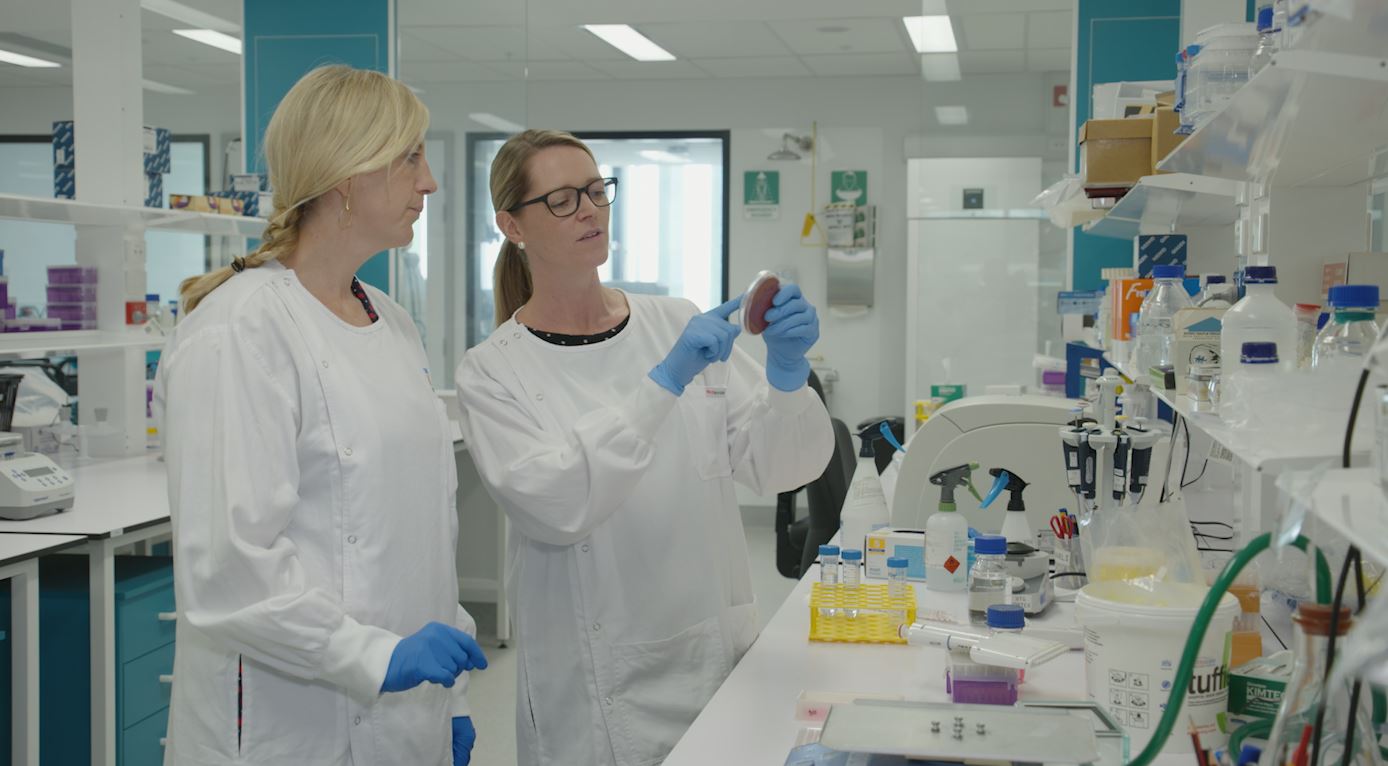
Research reveals that friendly bacteria may help reduce flu symptoms, offering new insights into potential treatments and enhancing our understanding of immune health.
Understanding patterns of bacterial carriage and otitis media (OM) microbiology is crucial for assessing vaccine impact and informing policy. The microbiology of OM can vary with geography, time, and interventions like pneumococcal conjugate vaccines (PCVs). We evaluated the microbiology of nasopharyngeal and middle ear effusions in children living in Western Australia, 11 years following the introduction of PCV13.
Chris Glenn Lea-Ann Peter Ruth Brennan-Jones Pearson Kirkham Richmond Thornton PhD BA (Education) PhD Candidate PhD MBBS MRCP(UK) FRACP PhD Head, Ear