
Search
Showing results for "early life"

Young people and their families have teamed up with youth mental health providers and researchers to deliver a report which tackles youth suicide in WA.
In children, chronic wet cough may be a sign of underlying lung disease, including protracted bacterial bronchitis (PBB) and bronchiectasis. Chronic (> 4 weeks in duration) wet cough (without indicators pointing to alternative causes) that responds to antibiotic treatment is diagnostic of PBB. Timely recognition and management of PBB can prevent disease progression to irreversible bronchiectasis with lifelong consequences. However, detection and management require timely health-seeking by carers and effective management by clinicians.
Molecular profiling of the tumour immune microenvironment (TIME) has enabled the rational choice of immunotherapies in some adult cancers. In contrast, the TIME of paediatric cancers is relatively unexplored. We speculated that a more refined appreciation of the TIME in childhood cancers, rather than a reliance on commonly used biomarkers such as tumour mutation burden (TMB), neoantigen load and PD-L1 expression, is an essential prerequisite for improved immunotherapies in childhood solid cancers.
The large diversity of central nervous system (CNS) tumor types in children and adolescents results in disparate patient outcomes and renders accurate diagnosis challenging. In this study, we prospectively integrated DNA methylation profiling and targeted gene panel sequencing with blinded neuropathological reference diagnostics for a population-based cohort of more than 1,200 newly diagnosed pediatric patients with CNS tumors, to assess their utility in routine neuropathology.
Research has shown differences in how fathers and mothers respond to a child's cancer diagnosis. Previous studies have highlighted that sociocultural norm shape fathers' experiences of their child's cancer diagnosis. Our phenomenological qualitative study aimed to examine the lived experiences of fathers whose children have been diagnosed with cancer and explore the impact of sociocultural gender roles.
Diagnosis of chronic disease in a child can result in unresolved grief (UG) in parents. This study aimed to evaluate the efficacy of psychological insight-oriented therapy (IOT) as a treatment for UG compared to disease related education in parents of children with cystic fibrosis. Sequence of delivery, first IOT then disease related education (or vice versa) was also examined, to let all participants experience both interventions.
Treatment for pulmonary exacerbations of cystic fibrosis (CF) can produce a range of positive and negative outcomes. Understanding which of these outcomes are achievable and desirable to people affected by disease is critical to agreeing to goals of therapy and determining endpoints for trials.
Embryonal tumours with multi-layered rosettes (ETMRs) are a newly recognised, rare paediatric brain tumour with alterations of the C19MC microRNA locus. Due to varied diagnostic practices and scarce clinical data, disease features and determinants of outcomes for these tumours are poorly defined. We did an integrated clinicopathological and molecular analysis of primary ETMRs to define clinical phenotypes, and to identify prognostic factors of survival and key treatment modalities for this orphan disease.
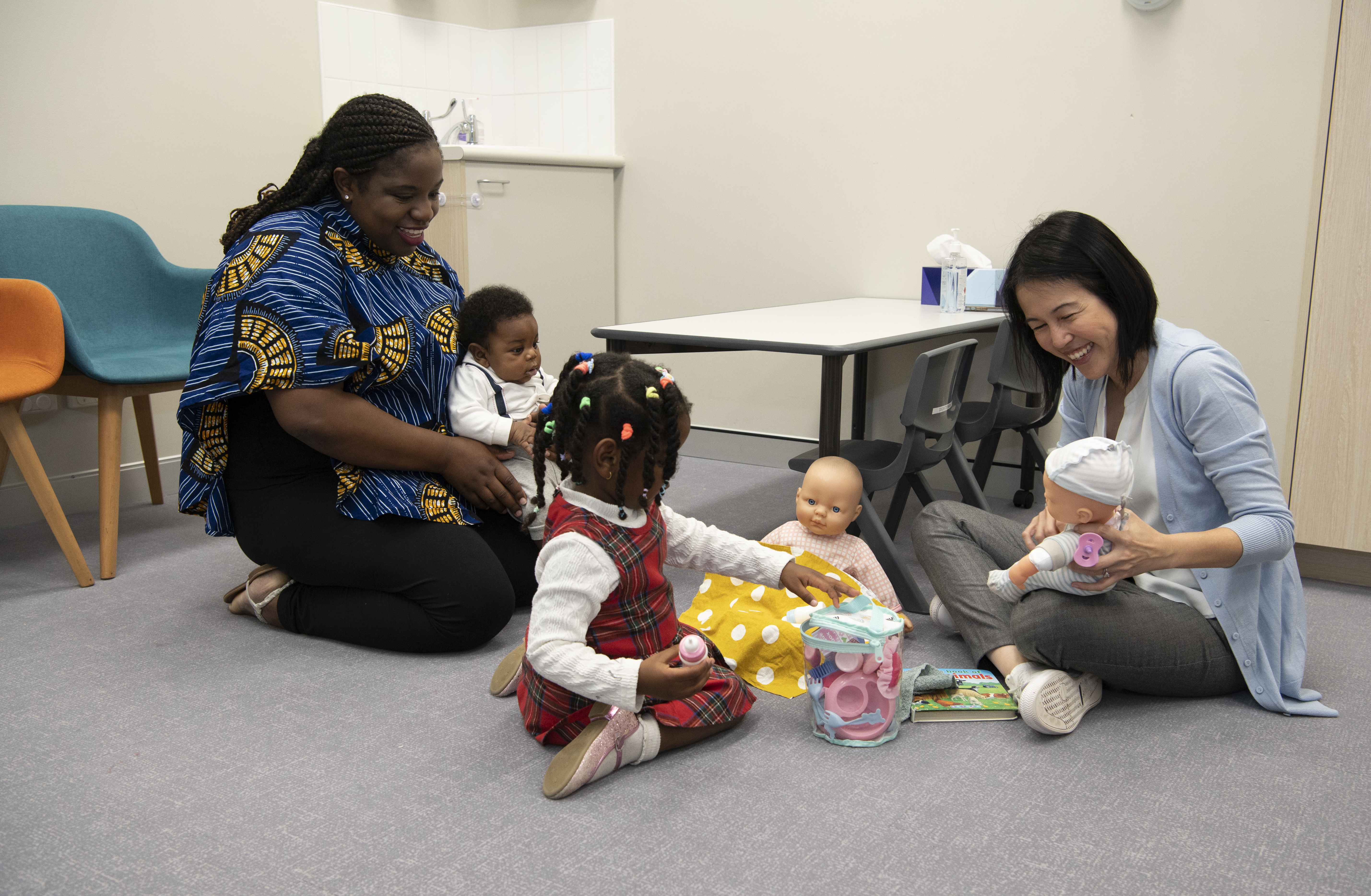
In this blog, Speech Pathologist Linda Arabi discusses the social model and how it influences the supports we provide to autistic children and their families.
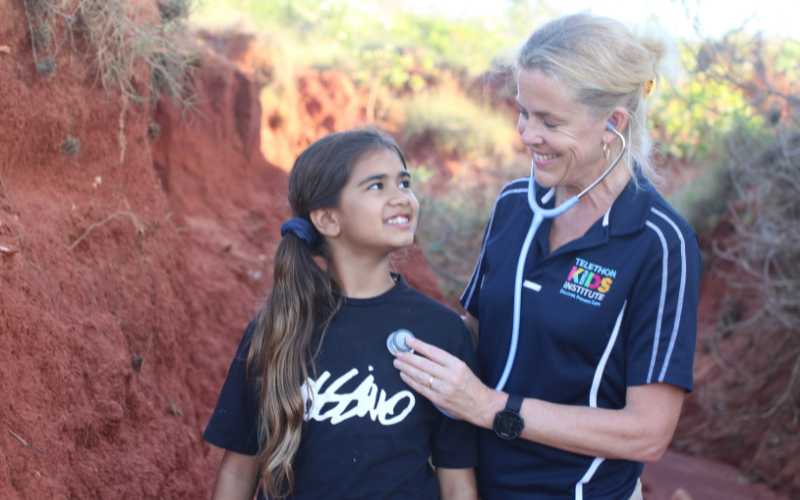
WA researchers will use a $1.97 million Medical Research Future Fund grant to develop a strategy for better follow-up of First Nations children after they’ve been hospitalised for respiratory infections, in a bid to halt the slide into more severe lung disease.