
Search
Showing results for "early life"
Data on asymptomatic identification rates of respiratory viruses are limited, particularly in Indigenous populations, who suffer a high burden of OM.
To investigate temporal trends in admission rates for acute lower respiratory infections (ALRI) in a total population birth cohort of non-Aboriginal and...
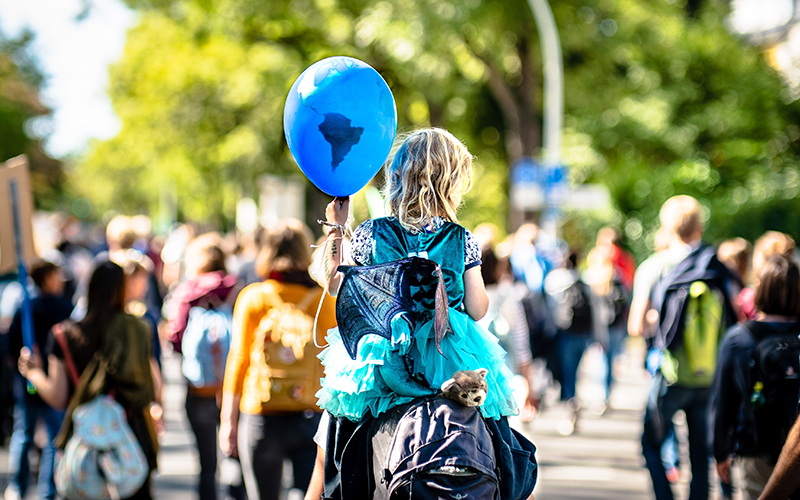
The Kids Research Institute Australia supports calls from the Intergovernmental Panel on Climate Change (IPCC) for transformational action if we are to secure a liveable future.
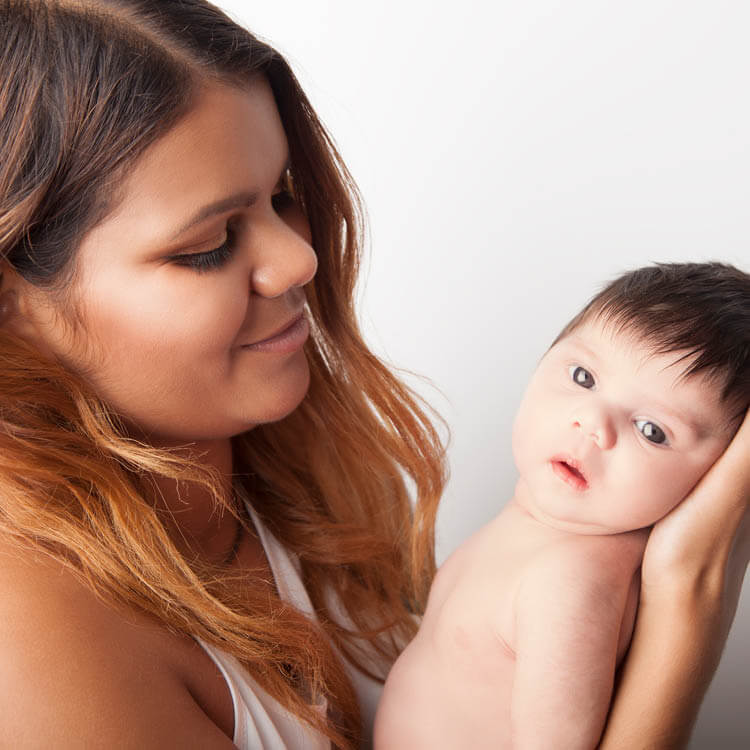
In a WA first, researchers from The Kids Research Institute Australia have shown that Aboriginal babies are 22.5 times more likely to be treated for skin infections than non-Aboriginal babies.
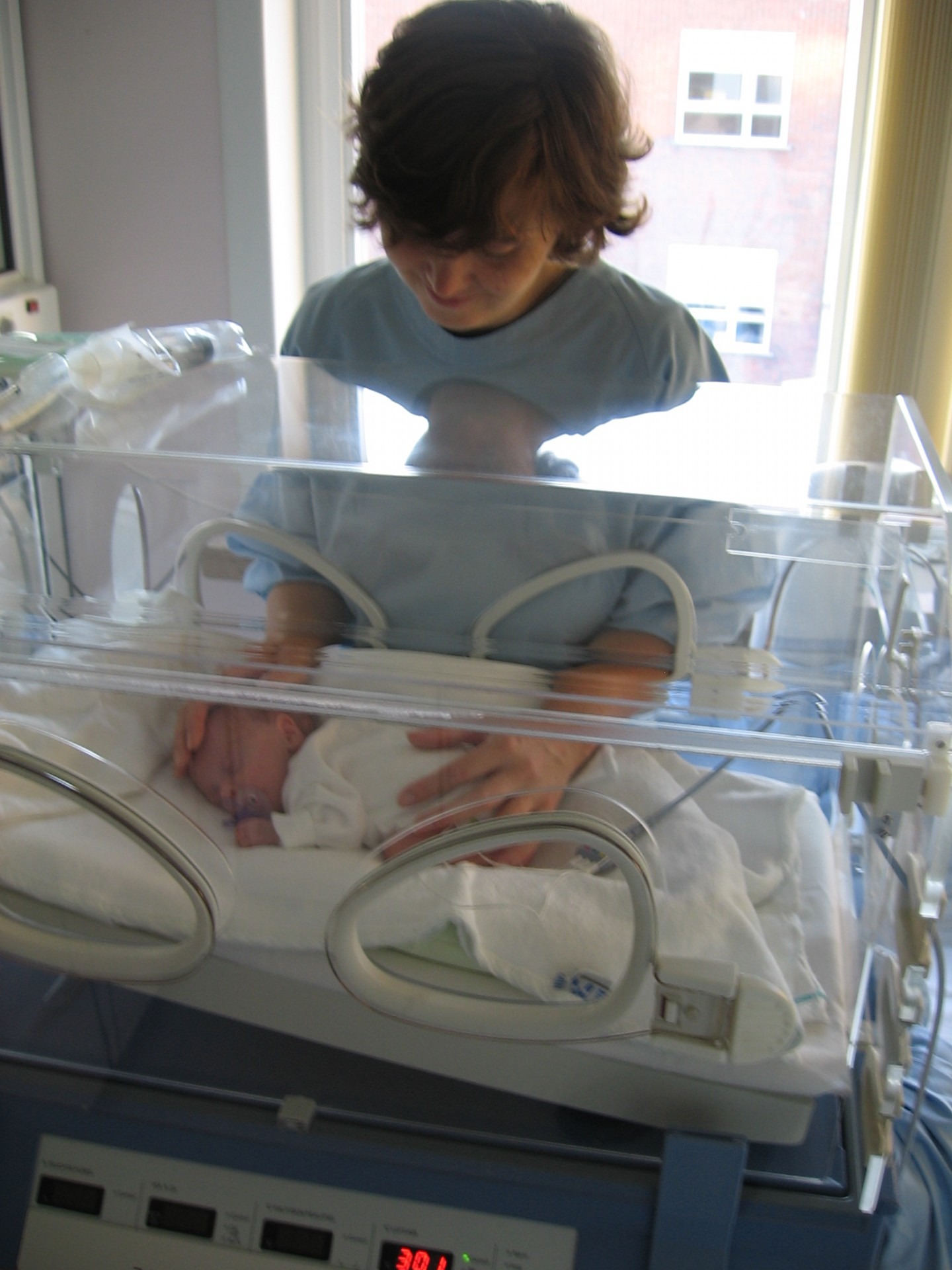
With premature babies facing lung problems, researchers with the Children’s Lung Health group are working to identify ways to improve the long-term impact.
The eradication of smallpox is considered one of the greatest achievements of humankind, thanks to vaccination. The widespread availability of childhood vaccines has substantially reduced childhood morbidity and mortality. Devastating infections, such as polio, have almost disappeared due to vaccination. In 2021, it was estimated that vaccination against ten selected pathogens will have averted 69 million deaths between 2000 and 2030. Increases in vaccine coverage and introduction of additional vaccines should reduce lifetime mortality by 72% in the 2019 birth cohort. However, access to vaccines that prevent life-threatening and disabling infectious diseases remains unequal.
Individuals with borderline personality disorder (BPD) are at a substantial risk of harm to themselves and others, experience high levels of functional impairment and typically are high users of tertiary healthcare to address their mental health concerns. As indicators for BPD typically emerge in adolescence, a day therapy service in Bentley, Western Australia, Touchstone Child and Adolescent Mental Health Service (CAMHS), was developed as an intensive intervention for adolescents with indicators for BPD and its associated symptomology.
Molecular profiling of the tumour immune microenvironment (TIME) has enabled the rational choice of immunotherapies in some adult cancers. In contrast, the TIME of paediatric cancers is relatively unexplored. We speculated that a more refined appreciation of the TIME in childhood cancers, rather than a reliance on commonly used biomarkers such as tumour mutation burden (TMB), neoantigen load and PD-L1 expression, is an essential prerequisite for improved immunotherapies in childhood solid cancers.
The large diversity of central nervous system (CNS) tumor types in children and adolescents results in disparate patient outcomes and renders accurate diagnosis challenging. In this study, we prospectively integrated DNA methylation profiling and targeted gene panel sequencing with blinded neuropathological reference diagnostics for a population-based cohort of more than 1,200 newly diagnosed pediatric patients with CNS tumors, to assess their utility in routine neuropathology.
Research has shown differences in how fathers and mothers respond to a child's cancer diagnosis. Previous studies have highlighted that sociocultural norm shape fathers' experiences of their child's cancer diagnosis. Our phenomenological qualitative study aimed to examine the lived experiences of fathers whose children have been diagnosed with cancer and explore the impact of sociocultural gender roles.