
Search
Showing results for "early life"

Illuminate Awards are a philanthropic initiative - shining a light on child health research to help all kids lead happy, healthy lives.
The eradication of smallpox is considered one of the greatest achievements of humankind, thanks to vaccination. The widespread availability of childhood vaccines has substantially reduced childhood morbidity and mortality. Devastating infections, such as polio, have almost disappeared due to vaccination. In 2021, it was estimated that vaccination against ten selected pathogens will have averted 69 million deaths between 2000 and 2030. Increases in vaccine coverage and introduction of additional vaccines should reduce lifetime mortality by 72% in the 2019 birth cohort. However, access to vaccines that prevent life-threatening and disabling infectious diseases remains unequal.
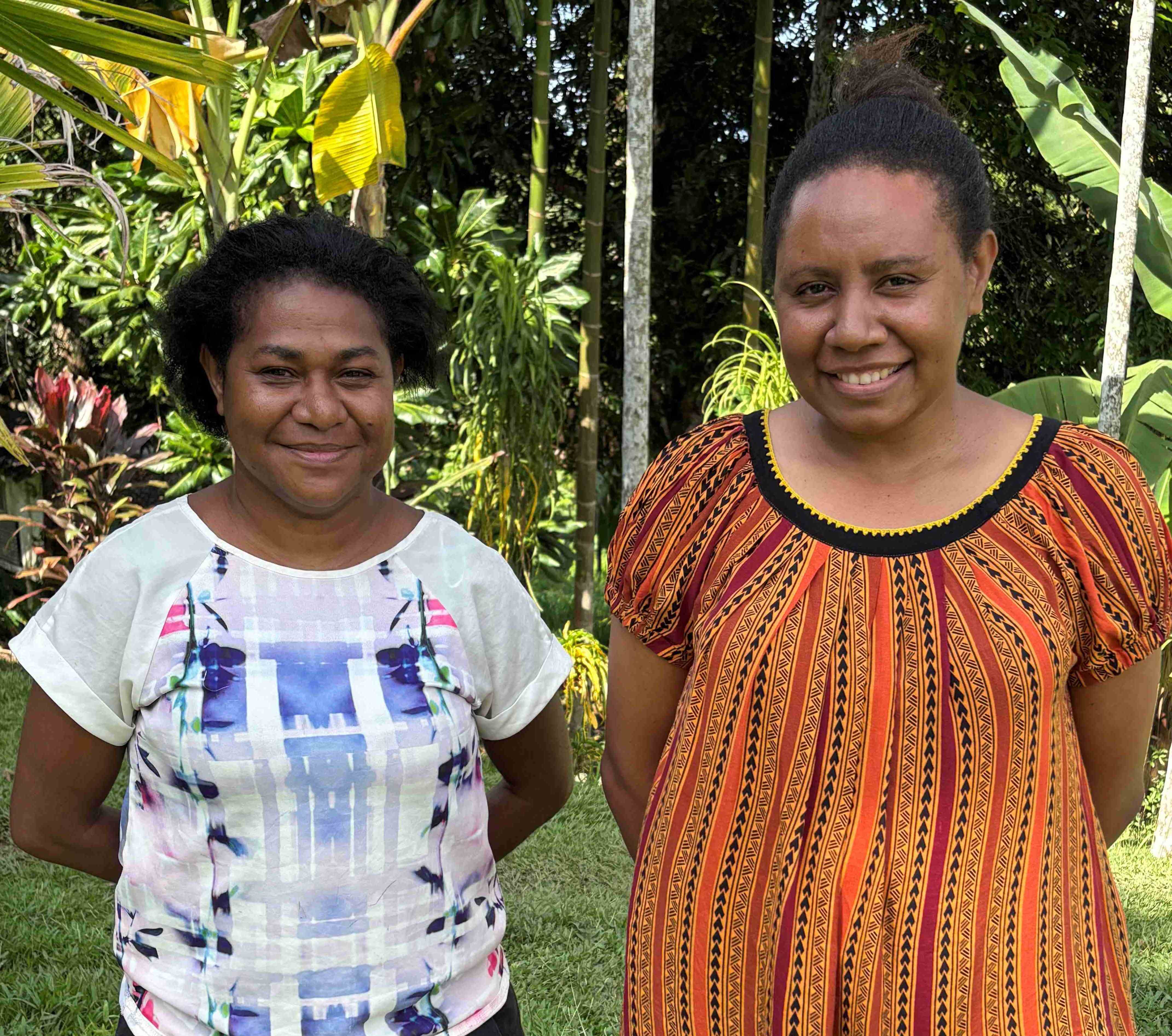
Two infectious disease researchers from Papua New Guinea (PNG) dedicated to reducing rates of childhood mortality in their home country are making significant advances thanks to support from the Deborah Lehmann Research Award (DLRA).

In a WA first, researchers from The Kids Research Institute Australia have shown that Aboriginal babies are 22.5 times more likely to be treated for skin infections than non-Aboriginal babies.
To investigate incidence and survival of childhood tumours of the central nervous system (CNS) by histological subtype, tumour behaviour and tumour grade. Methods: National, population-based data on all children under 15 years old diagnosed with a CNS tumour between 1983 and 2016 were sourced from the Australian Childhood Cancer Registry. Incidence rate trends were calculated using Joinpoint regression.
This study investigated dental hospitalisations in Western Australian (WA) children with intellectual disability (ID) and/or autism spectrum disorder (ASD) aged up to 18 years.
Right shift of the peripheral oxyhaemoglobin saturation (SpO2) versus inspired oxygen pressure (PIO2) curve is a sensitive marker of pulmonary gas exchange. The aim of this study was to assess the impact of prematurity and bronchopulmonary dysplasia (BPD) on gas exchange and right-to-left shunt in the neonatal period, and its evolution over the first year of life.
Genetic predisposition to proteome instability may be a determinant in the pathogenesis of paediatric brain cancers
Nonverbal IQ is not on the same causal pathway as language impairments
Active vaccine safety surveillance leading to rapid detection of a safety signal would likely have resulted in earlier suspension of Fluvax from the vaccination programme