
Search
Showing results for "early life"

Honorary Research Associate
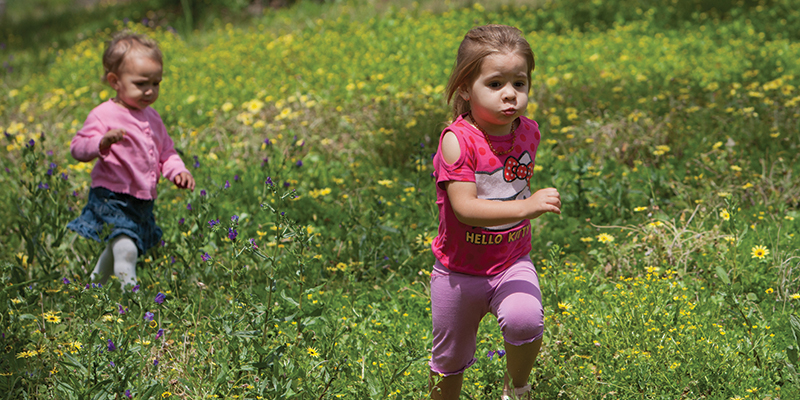
A child can’t thrive if they don’t have a roof over their head.
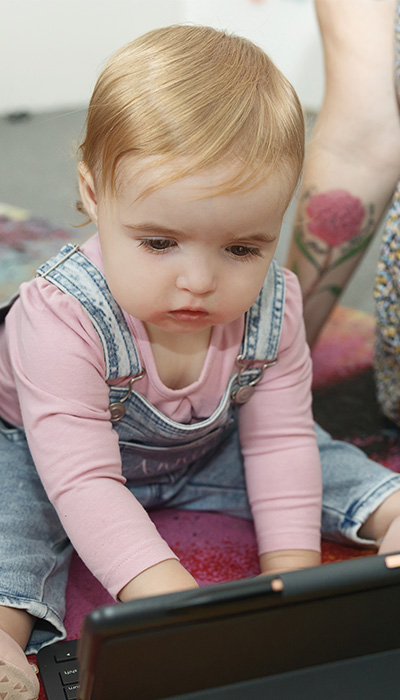
A The Kids Research Institute Australia study has found the average six-month-old Australian baby has more than one hour of screen time each day.
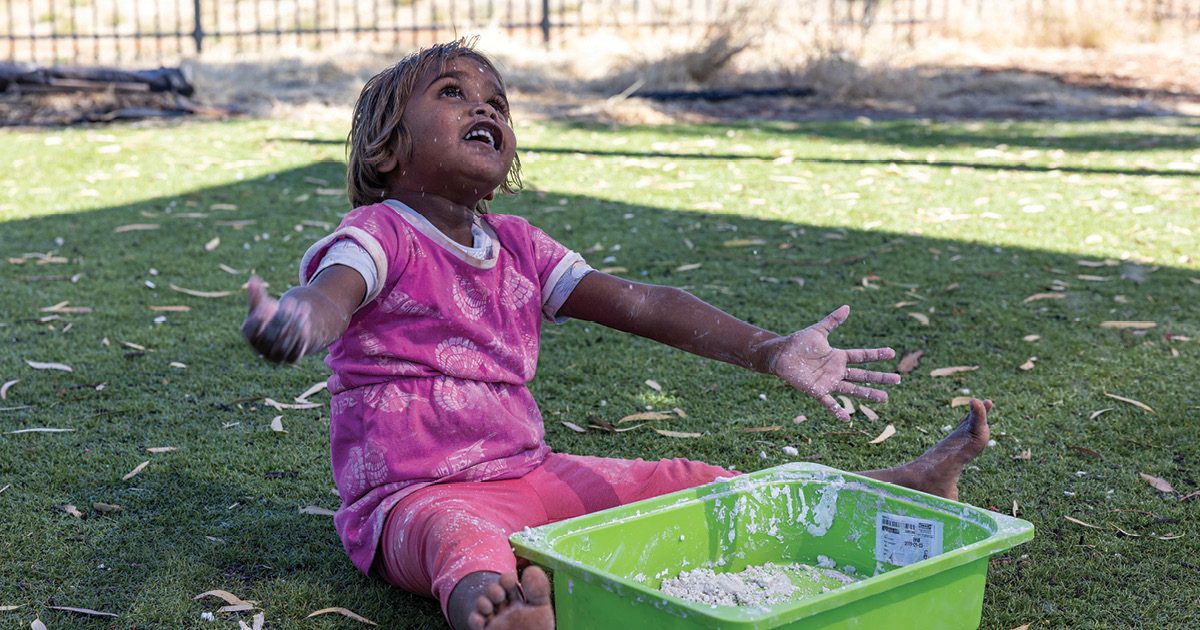
A unique initiative is combining research, action and advocacy to deliver evidence- based improvements to the health and wellbeing of Aboriginal families in Perth and Western Australia’s north west.
Perioperative anxiety is a common and distressing aspect of anaesthesia for many children, resulting in management challenges at the time of anaesthesia and potential physical and psychological adverse outcomes. We conducted this qualitative phenomenological study to explore the perspectives of children, parents and staff on perioperative anxiety in our institution. Planned recruitment was 20 each of children who had undergone elective anaesthesia, their parents and staff.
Management of the pediatric difficult airway can present unique clinical challenges. The Pediatric Difficult Intubation Collaborative (PeDI-C) is an international collaborative group engaging in quality improvement and research in children with difficult airways. The PeDI-C established a WhatsApp™ group to facilitate real-time discussions around the management of the difficult airway in pediatric patients.
The Paediatric Difficult Intubation Collaborative identified multiple attempts and persistence with direct laryngoscopy as risk factors for complications in children with difficult tracheal intubations and subsequently engaged in initiatives to reduce repeated attempts and persistence with direct laryngoscopy in children. We hypothesised these efforts would lead to fewer attempts, fewer direct laryngoscopy attempts and decrease complications.
Oral liquid prednisolone medications have poor acceptance among paediatric patients due to ineffective masking of the bitterness taste of prednisolone. This study aimed to develop a child-friendly prednisolone tablet using a patented chewable chocolate-based delivery system previously applied successfully to mask the bitterness tastes of midazolam and tramadol.
Hypoxaemia occurs in approximately 30% of children during anaesthesia for flexible bronchoscopy. High-flow nasal oxygen (HFNO) can prolong safe apnoea time and be used in children with abnormal airways. During flexible bronchoscopy, there is limited evidence if HFNO confers advantages over current standard practice in avoiding hypoxaemia. The aim is to investigate feasibility of HFNO use during anaesthesia for flexible bronchoscopy to reduce frequency of rescue oxygenation and hypoxaemia.
Children are sometimes transported via fixed or rotary wing aircraft for medical care. If they are intubated with a cuffed endotracheal tube (ETT), changes in environmental pressure during transport can alter cuff pressure. Cuff management in this setting varies widely by region and by organization. In this historical review, we sought to delineate the evolution of ETT cuff management in children undergoing aeromedical retrieval in order to progress the field toward an optimum strategy in the future.