
Search
Showing results for "early life"
Energy drinks are predominantly targeted to young adult consumers; however, there has been limited research into their effects on psychological functioning...
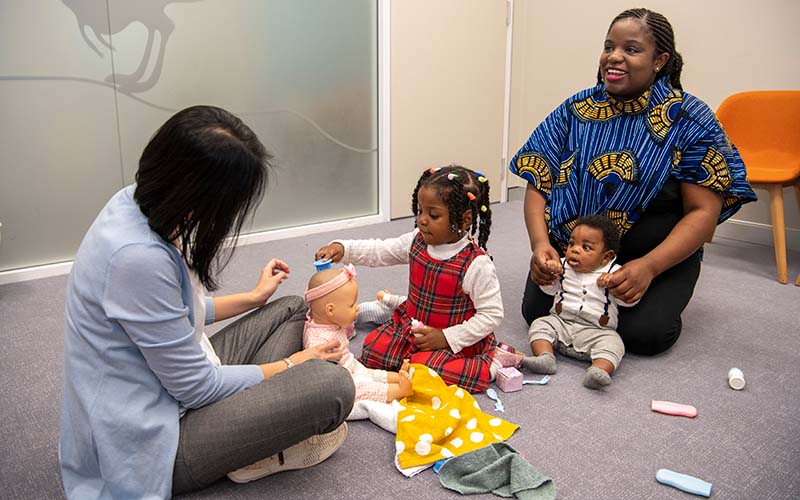
The Kids' autism research takes place at CliniKids, a centre that integrates world-class research with a clinical service for children with developmental delay and/or autism and their families.
The Western Australian Epithelial Research Program (WAERP) biobank is undertaking a number of research projects intended to improve the understanding and preclinical assessment of therapeutics for respiratory conditions.
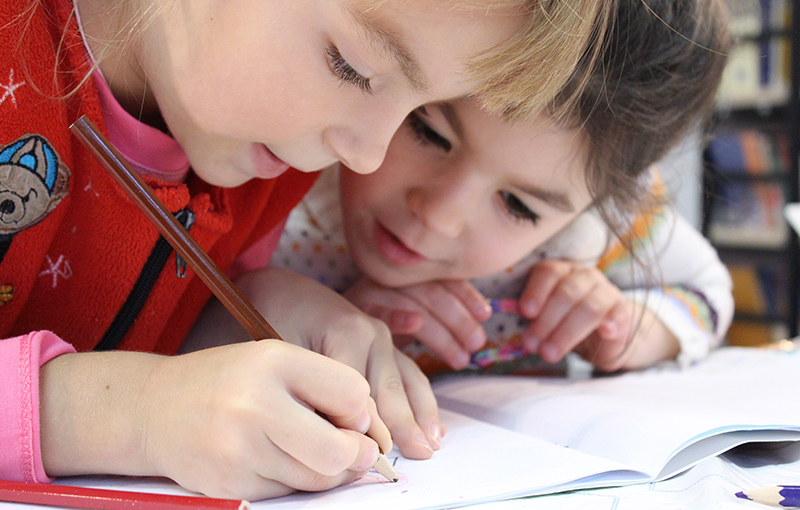
A new study by researchers at The Kids Research Institute Australia has found there is a bigger picture to consider when determining whether a child is ready to start school.
As families increase their use of mobile touch screen devices (smartphones and tablet computers), there is potential for this use to influence parent-child interactions required to form a secure attachment during infancy, and thus future child developmental outcomes. Thirty families of infants (aged 9-15 months) were interviewed to explore how parents and infants use these devices, and how device use influenced parents' thoughts, feelings and behaviours towards their infant and other family interactions.
The Healing Kids, Healing Families team strives to understand how trauma and adverse circumstances can impact a child and their family, and how we can help them to recover from these experiences.
Socio-economic inequality and vaccination inequity have long been critical issues. However, no studies have explored the gap in influenza vaccination uptake between public and private schools. Importantly, the extent to which socio-economic inequality translates into vaccination uptake inequity has not been quantified.
The impacts of the COVID-19 pandemic have been vast and are not limited to physical health. Many adolescents have experienced disruptions to daily life, including changes in their school routine and family’s financial or emotional security, potentially impacting their emotional wellbeing.
Tom Snelling BMBS DTMH GDipClinEpid PhD FRACP Head, Infectious Disease Implementation Research 08 6319 1817 tom.snelling@thekids.org.au Head,
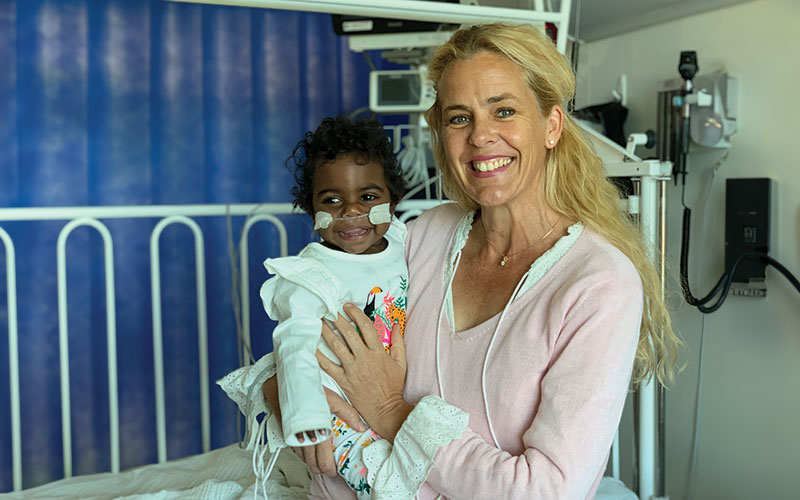
Culturally secure intervention to facilitate medical follow up for Aboriginal children, after being hospitalised with chest infections, have proven to improve long-term lung health outcomes.