
Search
Showing results for "early life"
The conduct of longitudinal research in early childhood is the focus of this chapter
Preliminary evidence suggests that prenatal testosterone exposure may be associated with language delay.
There is evidence to suggest an association between prenatal maternal stress and the development of asthma or other atopic diseases in offspring.
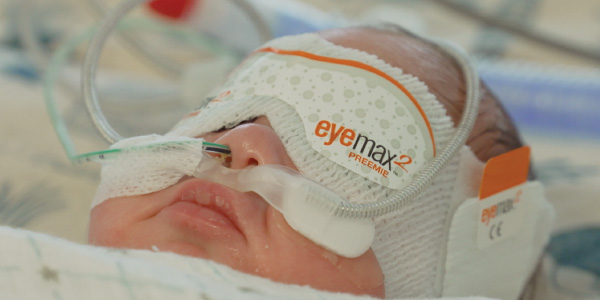
A simple set of eye masks and ear plugs – an inexpensive solution explored in a successful pilot study by The Kids Research Institute Australia, together with the Child and Adolescent Health Service – could hold the key to better outcomes for our tiniest bubs. Now, a nationwide clinical trial is testing the idea
Economic preferences may be shaped by exposure to sex hormones around birth. Prior studies of economic preferences and numerous other phenotypic characteristics use digit ratios (2D : 4D), a purported proxy for prenatal testosterone exposure, whose validity has recently been questioned. We use direct measures of neonatal sex hormones (testosterone and oestrogen), measured from umbilical cord blood (n = 200) to investigate their association with later-life economic preferences (risk preferences, competitiveness, time preferences and social preferences) in an Australian cohort (Raine Study Gen2).
The incidence of anaphylaxis is increasing globally in tandem with changing environmental and lifestyle factors. There is very limited data on very early childhood presentations. We aim to assess changes in rates, characteristics and management of infant anaphylaxis in a paediatric ED over a 15-year period.
This study was guided by three research aims: firstly, to examine the longitudinal trends of health-related quality of life (HR-QoL) among gender and sexuality diverse (LGBTQA2S+) young people through adolescence (ages 14-19); secondly, to assess longitudinal associations between poor mental health and HR-QoL among LGBTQA2S+ young people through adolescence; and thirdly, to examine differences in HR-QoL among LGBTQA2S+ young people during early adolescence (ages 14 and 15) depending on select school-, peer-, and parent-level factors.
Dynamic molecular changes in early life follow a robust ontogeny as the infant immune system adapts to the demands of its new environment. Studies of plasma immunomodulatory cytokines and chemokines have previously demonstrated ontogenetic patterns of immune development across the first week of life. However, how plasma cytokine and chemokines concentrations evolve over the first 4 months of life remains unknown.
Cyclin-dependent kinase-like 5 (CDKL5) deficiency disorder (CDD) is an ultrarare genetic condition causing developmental epileptic encephalopathy characterized by seizures and motor and intellectual disabilities. No disease-modifying therapies are available, and treatments focus mainly on symptom management to improve quality of life.
Pat Deborah Holt Strickland PhD, DSc, FRCPath, FRCPI, FAA PhD Emeritus Honorary Researcher Head, Pregnancy and Early Life Immunology Patrick.Holt@