
Search
This study systematically reviewed Australian literature to determine if an association exists between geospatial exposure to food outlets and diet, health or weight status. Recommendations for future research are provided.
With increasing demands for health, disability and education services, innovative approaches can help distribute limited resources according to need. Despite an increased focus on support needs within the clinical pathway and policy landscape, the body of research knowledge on this topic is at a relatively early stage. However, there appears to be a sense of unmet support needs and dissatisfaction with the provision of required support following an autism diagnosis amongst caregivers of young people on the spectrum.
Despite substantial declines since 2000, lower respiratory infections (LRIs), diarrhoeal diseases, and malaria remain among the leading causes of nonfatal and fatal disease burden for children under 5 years of age (under 5), primarily in sub-Saharan Africa.
The past three decades have seen a major shift in our understanding of the strong links between autism and identity. These developments have called for careful consideration of the language used to describe autism.
Sedated and awake tracheal intubation approaches are considered safest in adults with difficult airways, but little is known about the outcomes of sedated intubations in children. The primary aim of this study was to compare the first-attempt success rate of tracheal intubation during sedated tracheal intubation versus tracheal intubation under general anesthesia. The hypothesis was that sedated intubation would be associated with a lower first-attempt success rate and more complications than general anesthesia.
Early intervention within First Episode Psychosis (FEP) recovery efforts support functional recovery in several ways, including increasing levels of (1) physical activity (2) life skills, and (3) social connectivity. Sport has been proposed as an ideal platform to target these three goals simultaneously.
Tick-borne diseases are a growing global health concern. Despite extensive studies, ill-defined tick-associated pathologies remain with unknown aetiologies. Human immunological responses after tick bite, and inter-individual variations of immune-response phenotypes, are not well characterised.
Indigenous peoples in high income countries are disproportionately affected by Type 2 Diabetes. Socioeconomic disadvantages and inadequate access to appropriate healthcare are important contributors.
ParticiPAte CP is a participation-focused therapy intervention that is effective to increase perceived performance of physical activity participation goals in children with cerebral palsy. We aimed to characterise the contents of ParticiPAte CP using validated behaviour change frameworks.
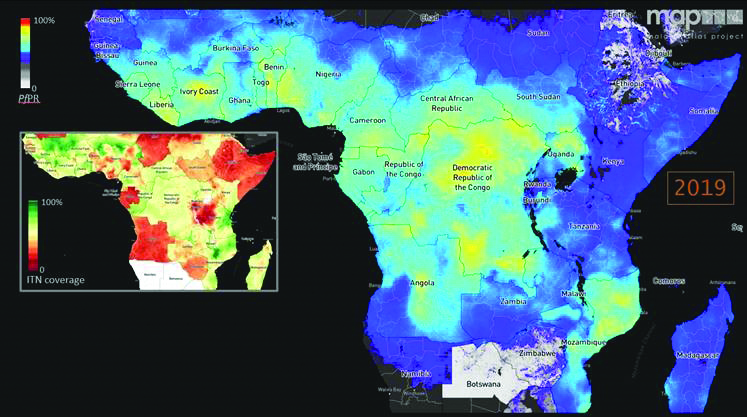
A global network of researchers led by Kerry M Stokes Chair of Child Health, Professor Pete Gething, is working to help support informed decision-making for malaria control at international, regional and national scales.