
Search

ORIGINS is collecting physiological, biological and clinical data from the mother, partner/father and child at numerous points to track development and change.
A list of organisations that currently collaborate with ORIGINS.
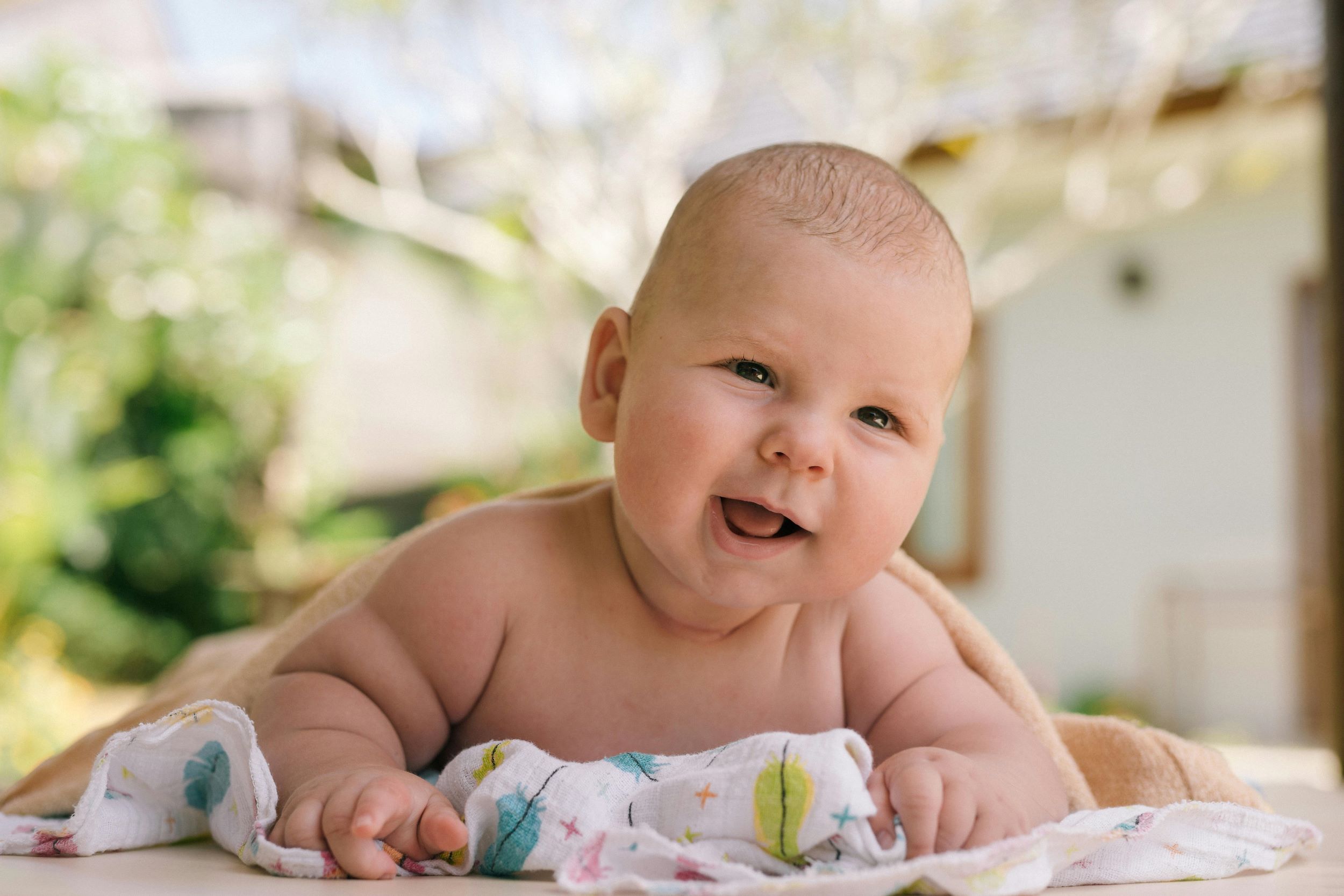
Determining the associations of sun exposure in early life on the development of non-communicable diseases.
The ORIGINS Project (“ORIGINS”) is a longitudinal, population-level birth cohort with data and biosample collections that aim to facilitate research to reduce non-communicable diseases and encourage ‘a healthy start to life’. ORIGINS has gathered millions of datapoints and over 400,000 biosamples over 15 timepoints, antenatally through to five years of age, from mothers, non-birthing partners and the child, across four health and wellness domains.
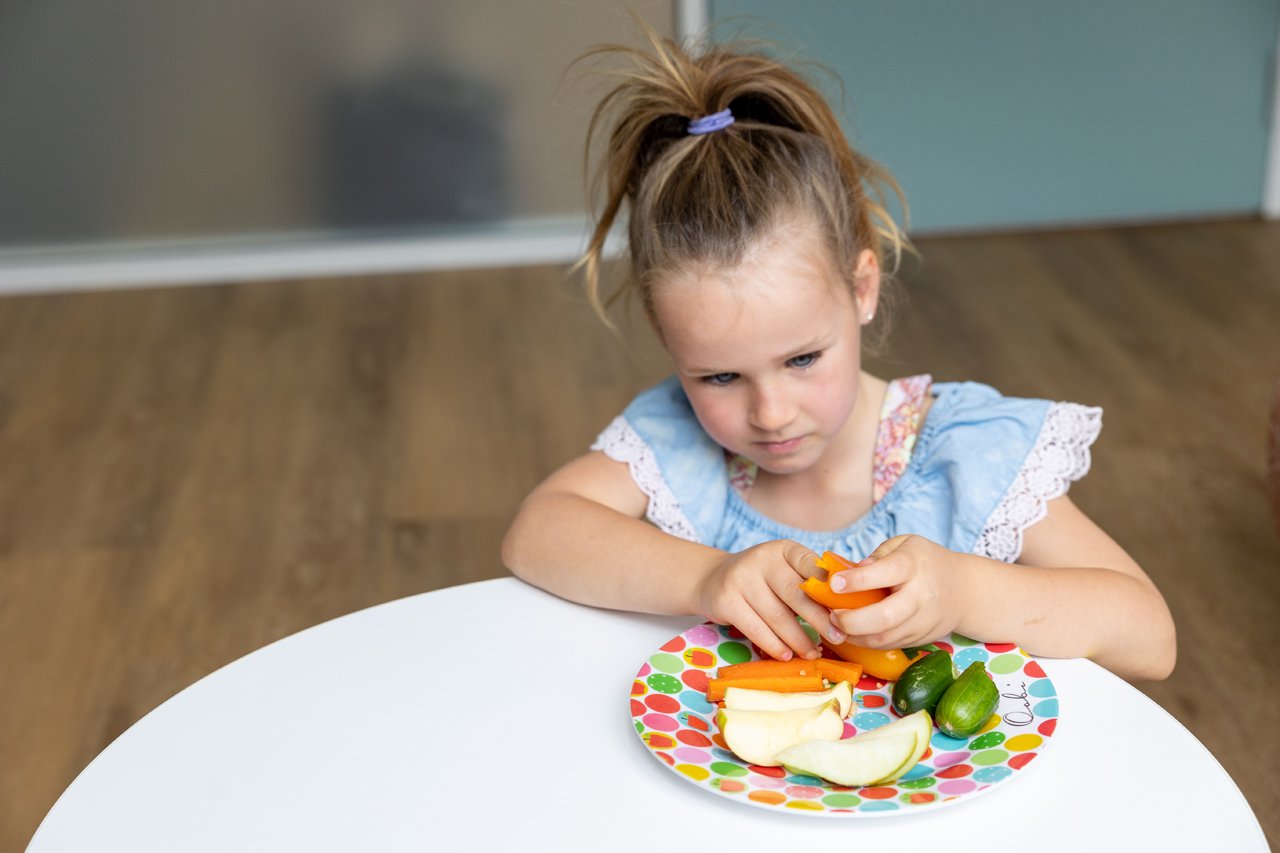
ORIGINS has a large number of sub-projects exploring the link between a mother's diet during pregnancy and health outcomes of the child. Projects also explore nutrition and eating habits during the early years as well as general gut health
In honour of International Day of Women and Girls in Science, we celebrate women in STEM and their incredible contributions to the field, aiming to inspire the next generation of female scientists.
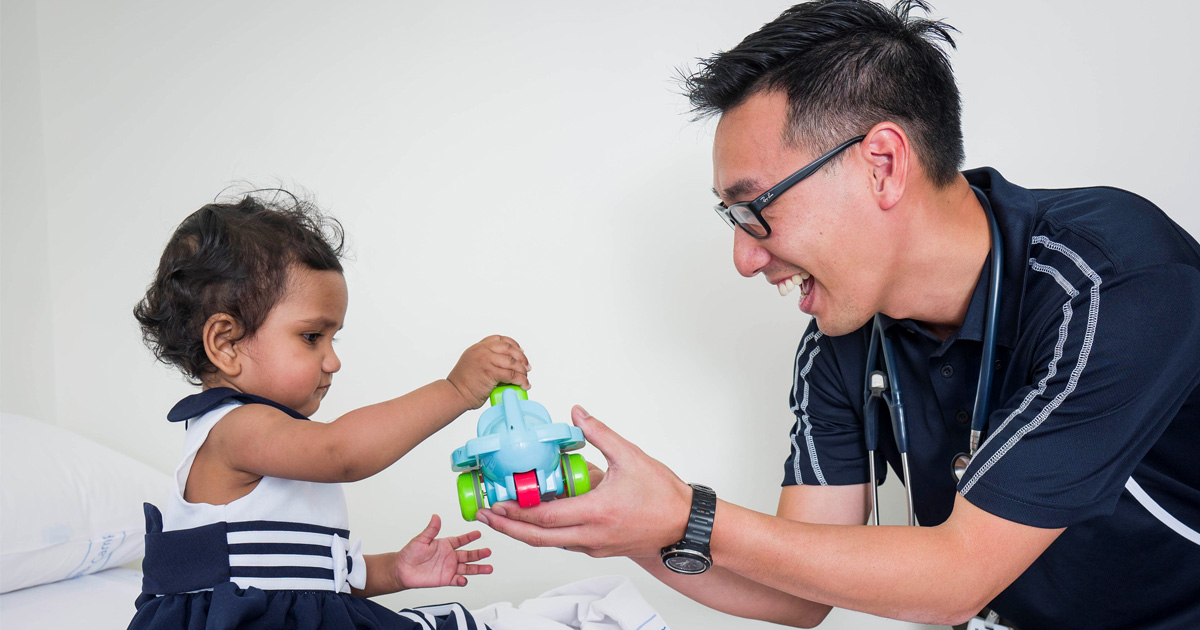
A third of Western Australian one-year-olds and up to two thirds of three-year-olds have low iron, a study by The Kids Research Institute Australia has found.

ORIGINS sub-project, The Flourishing Child, has received a $746,051 grant from the Medical Research Future Fund to develop a Flourishing Assessment and Pathway Tool to address gaps in early intervention for children's mental health.
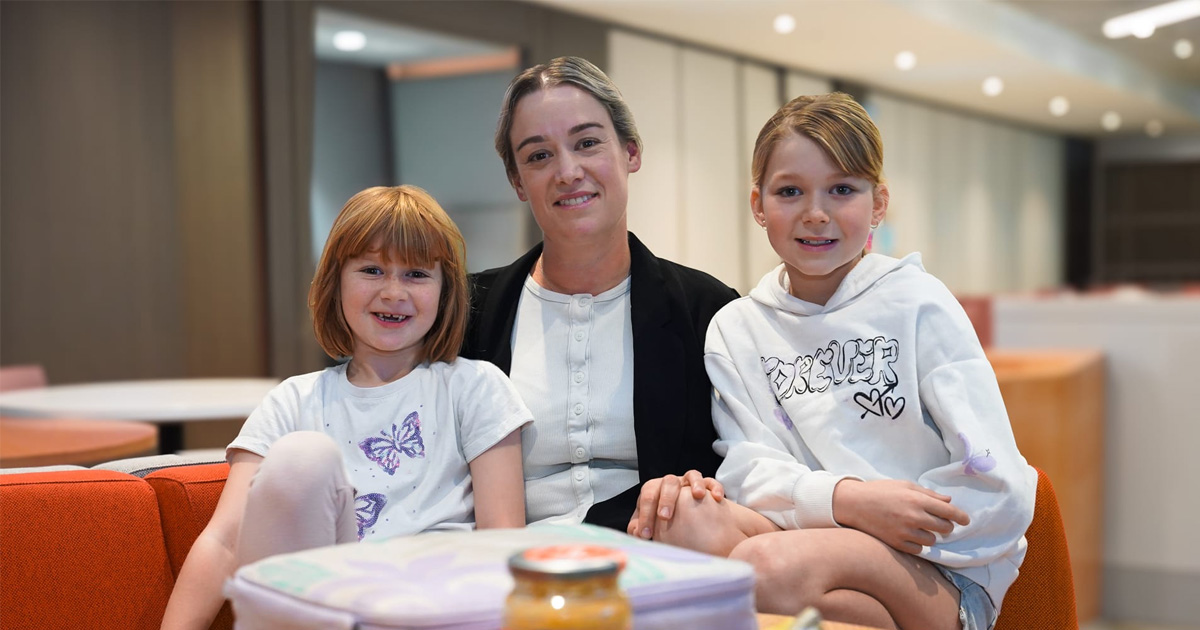
Families who introduce peanut butter and eggs to their baby’s diet at around six months of age can significantly reduce the chances of them developing a life-threatening allergy, according to a new study published in the Journal of Allergy and Clinical Immunology – In Practice.
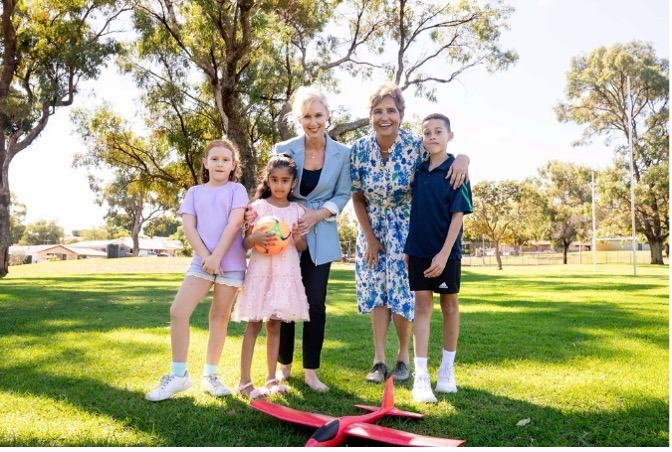
ORIGINS is celebrating a substantial funding increase for its world-class research into child and family health and wellbeing.