
Search
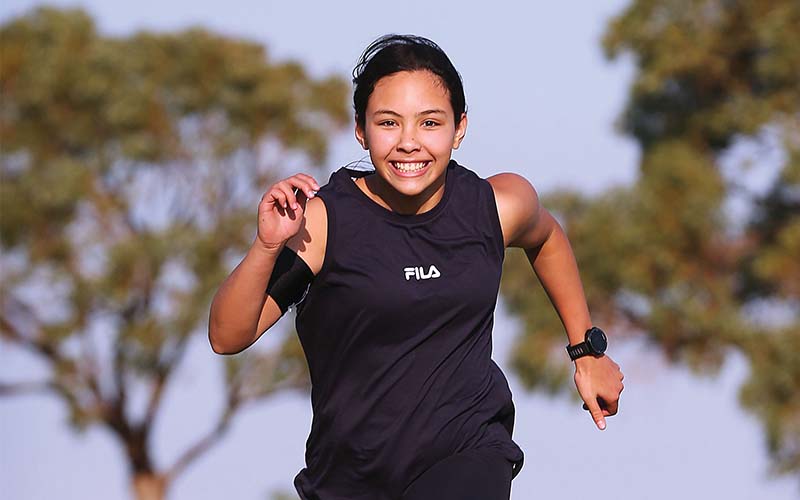
Despite the risk of having a hypo (low blood glucose levels), Gina said she refused to let T1D stop her from exercising.
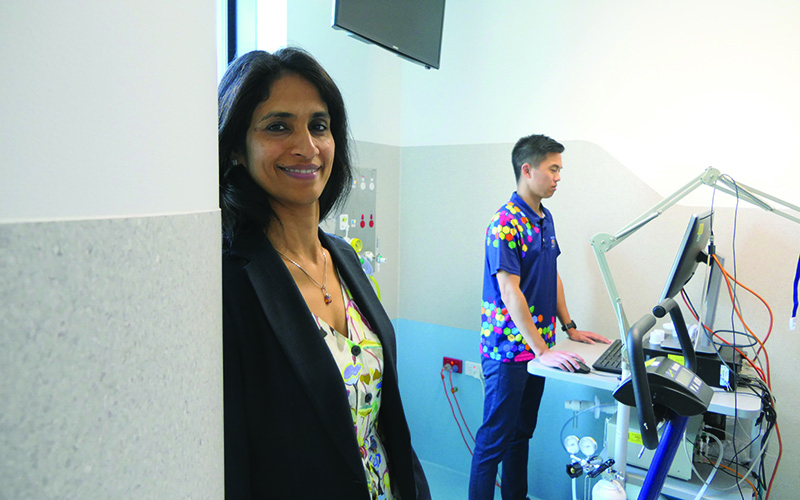
A ground-breaking new app developed by The Kids researchers may soon make exercising safer for young people with type 1 diabetes.
A lifelong auto-immune condition that can affect anyone, but is most commonly diagnosed in childhood.
Food allergies have become more common in our community, with up to one in ten young children now affected. Reactions can range from mild hives to life threatening anaphylaxis and breathing difficulties. The most common food allergies are to egg, peanut, tree nuts, cow’s milk, fish, shellfish, sesame, wheat and soy.
To better characterise prematurity-associated lung disease, adult spirometry phenotype classifications (obstructive lung disease, preserved ratio impaired spirometry and dysanapsis) have been applied to children born preterm. It is unknown how these phenotypes track over time.
Even in the safety of their home, there are many risky places a child or teenager can visit online. This can be due to the content they see, who they come into contact with, and personal information they share.
In a sunny country such as Australia, it’s important to identify how to achieve the right amount of sun exposure for good health. We need to be able to harness the benefits of vitamin D and sunlight while remaining protected from the proven dangers of too much UV radiation.
Trans and gender diverse (trans) young people experience higher rates of physical and mental ill-health due to chronic exposure to gender minority stress. Consequently, trans young people report higher health and mental healthcare service utilisation. Disconcertingly, negative experiences of healthcare services are prevalent among trans young people, especially those with additional marginalised identities and backgrounds who experience multiple forms of marginalisation.
Young people must be central to health response design to ensure they are relevant and effective. It requires a clearer understanding of the opportunities and expectations surrounding youth engagement. Therefore, this study aims to gain a deeper understanding of the health priorities of young adults residing in South Australia and their engagement in the design of health programmes.

Discover more about Telethon Kids Institute research.