
Search
Showing results for "early life"
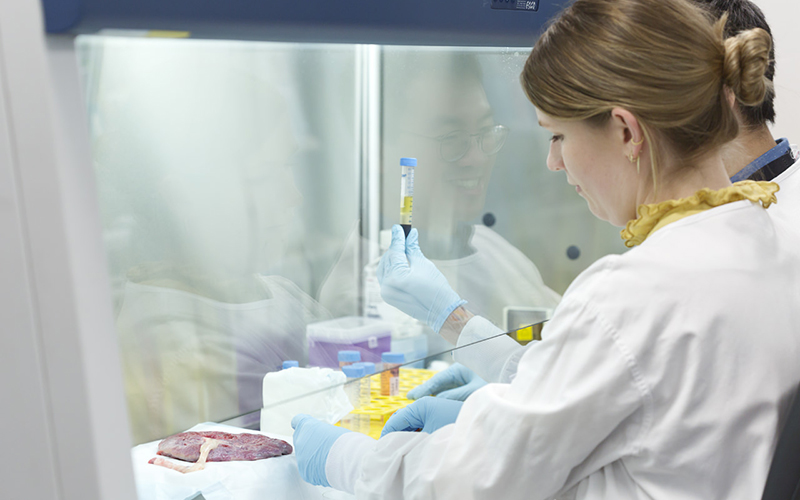
Four The Kids Research Institute Australia-based biobanks which underpin a range of cancer, respiratory and early life research have received more than $450,000 in funding.
Results suggest that autism traits are associated with poorer clinical presentation in first-episode psychosis populations
In Australia, accurate case ascertainment of acute rheumatic fever (ARF) and rheumatic heart disease (RHD) diagnoses for disease surveillance and control purposes requires the use of multiple data sources, including RHD registers and hospitalisation records. Despite drawing on multiple data sources, the true burden of ARF/RHD is likely to be underestimated.
When combined with physical activity, low-dose UVR may more effectively limit adiposity and modulate metabolic and immune pathways in iBAT
This study is the first to investigate longitudinal mental health outcomes associated with the use of oxytocin-based medications during labour
High dose vitamin D supplementation is associated with a shift to a more inflammatory faecal microbiome and increased susceptibility to colitis
To obtain comprehensive data on lung structure and function in mid-childhood from survivors of preterm birth.
Exposure to sunlight may limit cardiometabolic risk.
Dietary vitamin D3 increased the suppressive activity of regulatory T cells in the skin-draining lymph nodes, which are poised to suppress dermal inflammation
Vitamin D deficiency exacerbates house dust mite-induced inflammation and alterations in lung structure and function