
Search
Showing results for "early life"
Incarceration represents a source of ongoing socioeconomic and health inequity between Aboriginal and non-Aboriginal populations, limiting life changes and opportunities.
Most support programmes for Autistic children are available only after they are diagnosed. Research suggests that parenting supports may be helpful for parents and their infants, when provided in the first 2 years of life - before a formal diagnosis is given, but when information suggests an infant is more likely to be Autistic. However, we do not know how acceptable these types of supports might be to the Autistic and autism communities.
Although social factors and culture are significant determinants of health in Aboriginal and Torres Strait Islander peoples, little is known academically about key interpersonal and social experiences of this population during the perinatal period, or how early attachments are formed through culture. This study addressed this gap in the literature.
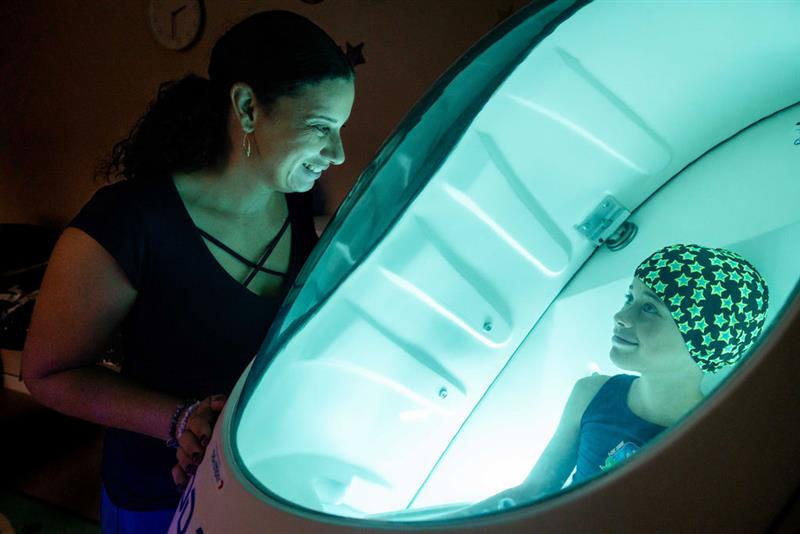
ORIGINS, the largest longitudinal cohort study of its kind in Australia, delivered in partnership between The Kids Research Institute Australia and Joondalup Health Campus, has received $1.5 million funding from the Minderoo Foundation.
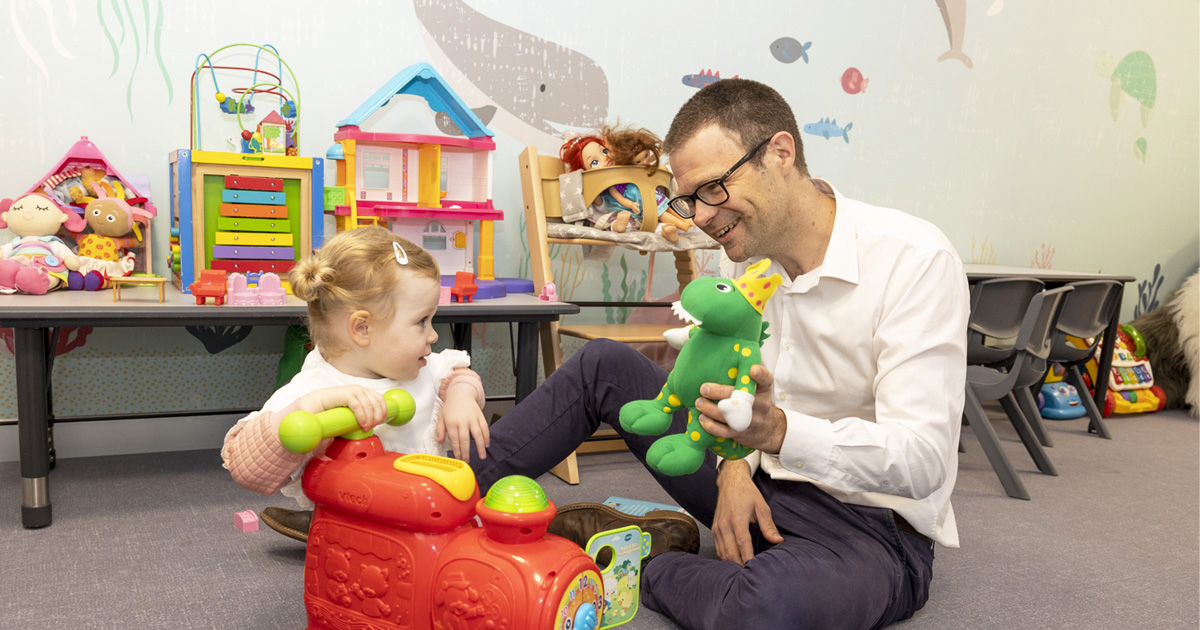
The Kids Research Institute Australia welcomes today’s Federal Government announcement of a new pilot program to support babies showing early social communication differences in Western Australia.
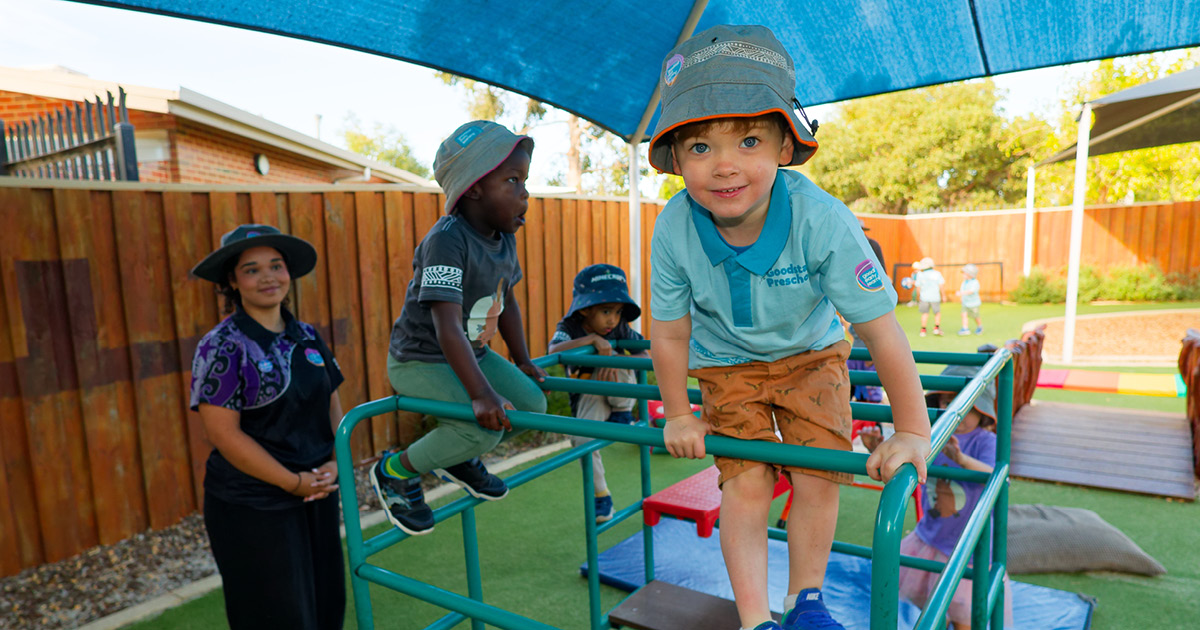
More than 80,000 Australian children are expected to benefit from a trial being rolled out to 700 childcare centres across the country that aims to boost declining physical activity levels.
Nasopharyngeal colonisation with nontypeable Haemophilus influenzae (NTHi) is associated with development of infections including pneumonia and otitis media. The 10-valent pneumococcal conjugate vaccine (PCV10) uses NTHi Protein D (PD) as a carrier. Papua New Guinean children have exceptionally early and dense NTHi carriage, and high rates of NTHi-associated disease.
People with intellectual disability were more likely to experience potentially preventable conditions at the end of their lives
Previous Australian studies have shown that delayed vaccination with each of the three primary doses of diphtheria-tetanus-pertussis-containing vaccines (DTP) is up to 50 % in certain subpopulations. We estimated the excess burden of pertussis that might have been prevented if (i) all primary doses and (ii) each dose was given on time.
This project aims to investigate the long-term impacts of top surgery – a term encompassing both chest reconstructive surgery and breast augmentation – on gender dysphoria, mental health, well-being and quality of life in trans and gender diverse individuals.