
Search
Showing results for "early life"
Ependymomas (EPN) are the third most common malignant brain cancer in children. Treatment strategies for pediatric EPN have remained unchanged over recent decades, with 10-year survival rates stagnating at just 67% for children aged 0-14 years. Moreover, a proportion of patients who survive treatment often suffer long-term neurological side effects as a result of therapy. It is evident that there is a need for safer, more effective treatments for pediatric EPN patients.
Emotional disorders are pervasive in the acquired brain injury (ABI) population, adversely affecting quality of life and rehabilitation. This study aimed to explore the unique associative effects of alexithymia as measured by the Perth Alexithymia Questionnaire.
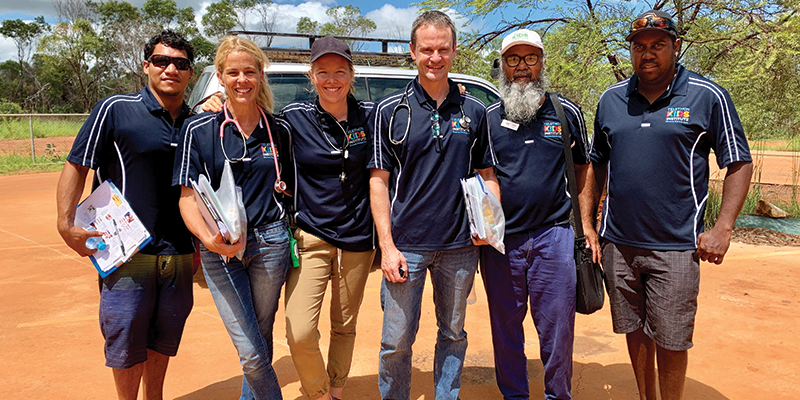
Prevalence of chronic lung disease in Aboriginal children is conservatively estimated at 1.5 per cent
Children with ADHD are disadvantaged from an early age in key areas of learning, and this risk increased with reduction in gestational age at birth
Neurodiversity refers to the different ways that people experience and interact with the world around them. Each person’s brain works differently, meaning no two brains are the same.

The language we use shifts over time and the words we use are important. At CliniKids, we are committed to using language that is neuroaffirming and preferred by the autistic community.
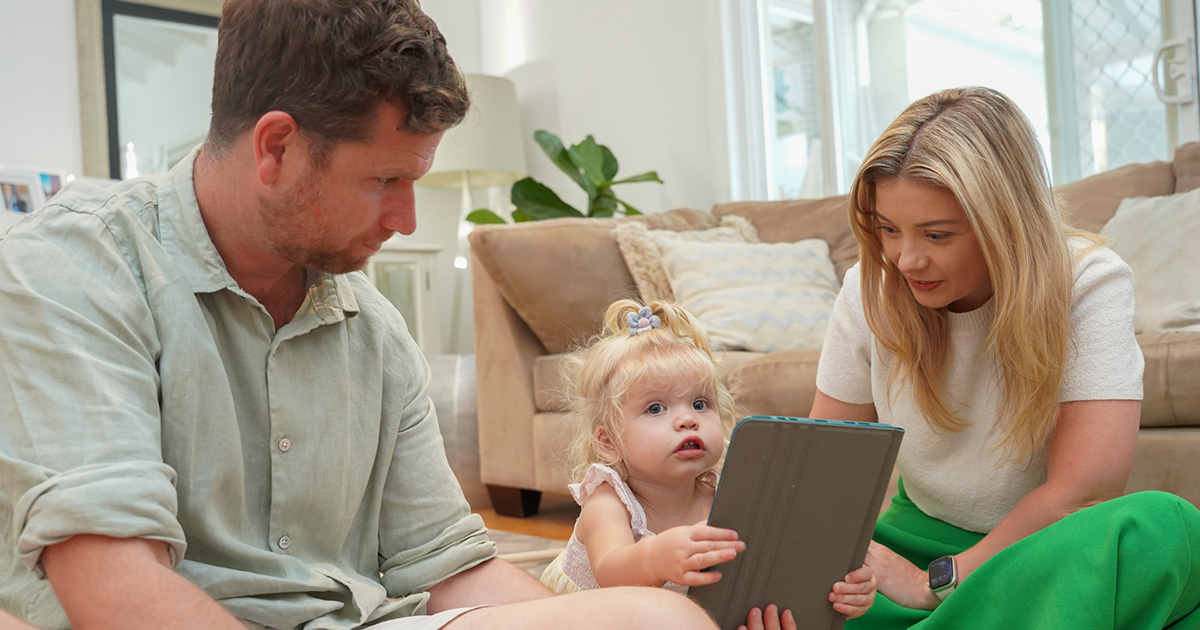
A first-of-its kind study has found that for every minute of screen time toddlers are exposed to at home, they hear fewer adult words, make fewer vocalisations and engage in fewer back-and-forth conversations with their parents.

Researchers from The Kids Research Institute Australia have been awarded more than $11 million to support vital child health projects, under the Federal Government’s Medical Research Future Fund.
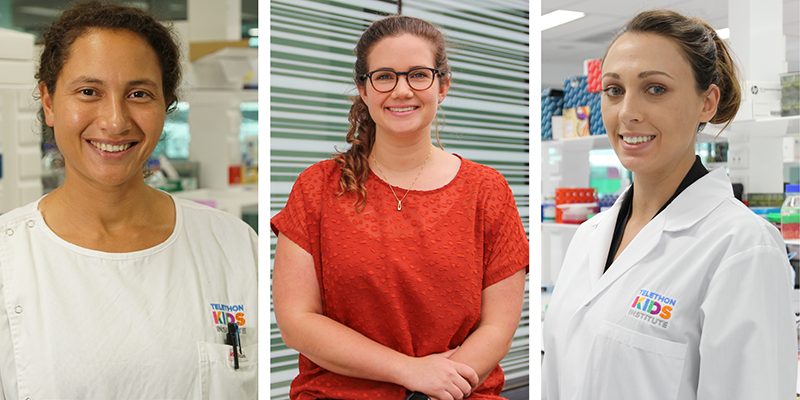
Three outstanding young researchers from The Kids Research Institute Australia have been named Raine Fellows and received valuable Raine Priming Grants to support their child health research.
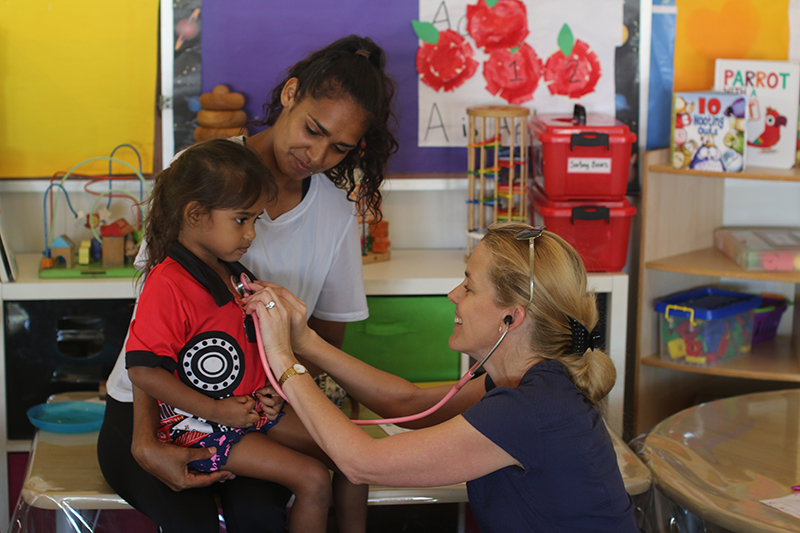
A culturally secure health campaign designed to alert Aboriginal families, community health workers and clinicians to the dangers of a prolonged wet cough has been so successful that it could offer a blueprint for how to manage other chronic diseases affecting Aboriginal communities throughout Austr