
Search
Showing results for "early life"
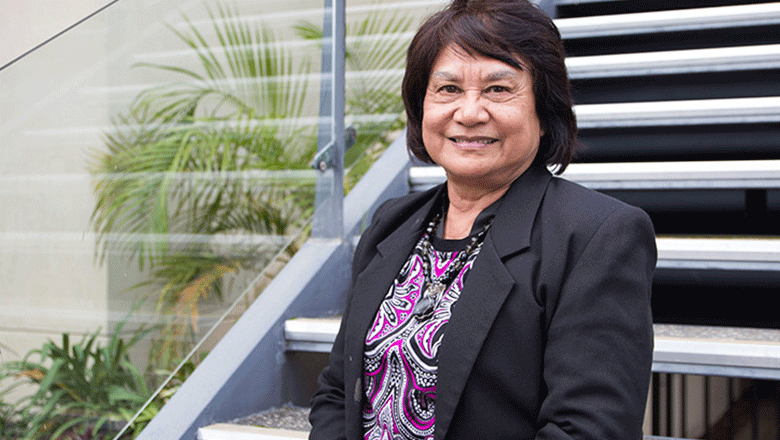
To celebrate NAIDOC week we sat down with Isabelle Adams, the coordinator of The Kids Research Institute Australia's Kulunga Aboriginal Research Development Unit (KARDU).
Read about the research fellows at the Children's Diabetes Centre, Martin de Bock, Aveni Hayes, Ashleigh Lin and Marie-Anne Burckhardt.
To investigate the prevalence, trends, and characteristics of maltreatment and assault related hospital admissions and deaths among children
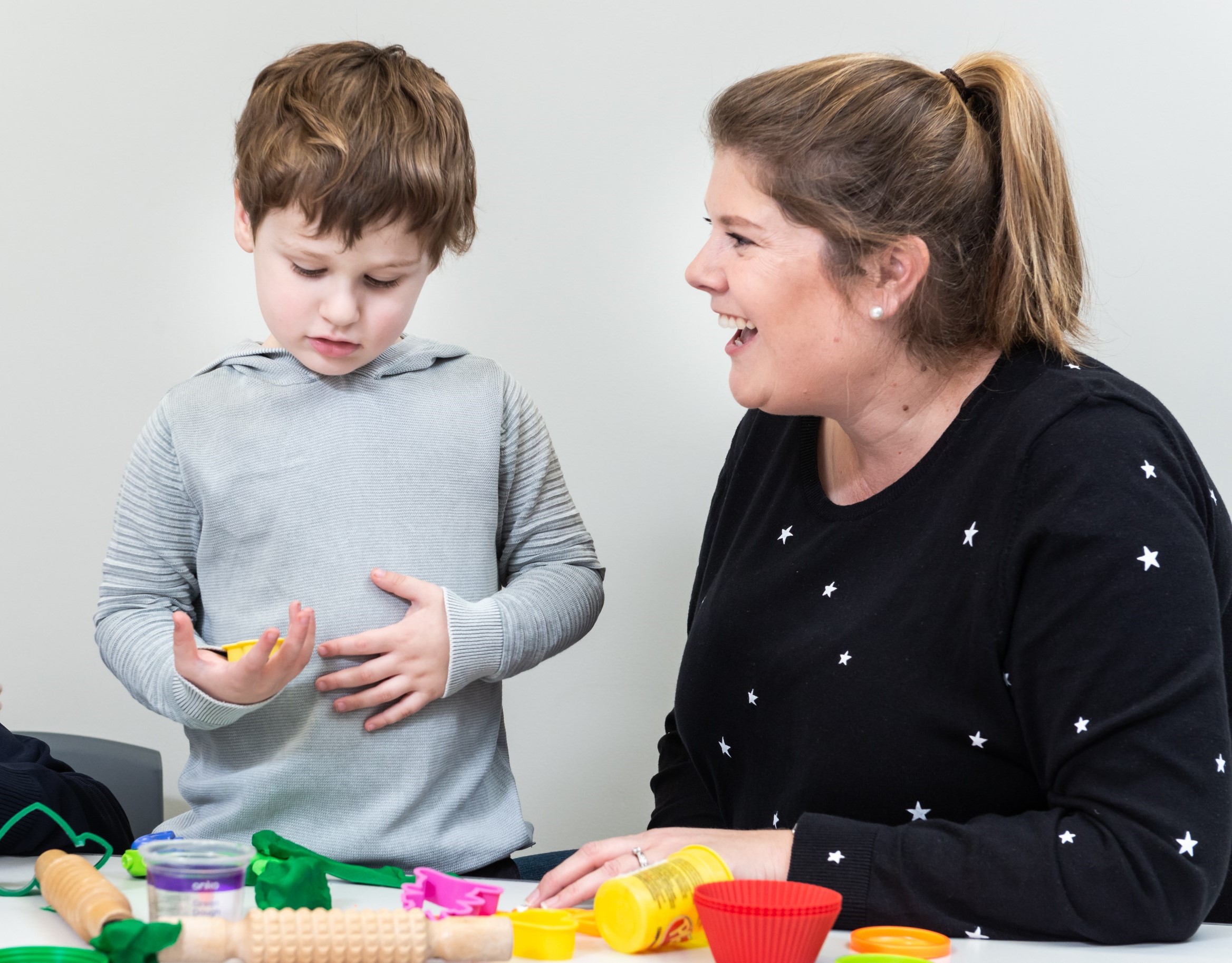
In this new blog, Senior Speech Pathologist and PACT therapist/trainer Sally Grauaug discusses the benefits of PACT, how it works and how clinicians become certified PACT therapists.
Christopher Asha André Dr Anita Blyth Bowen Schultz Campbell MBBS (Hons) DCH FRACP FRCPA PhD BA MBBS DCH FRACP PhD GAICD FAHMS OAM MBChB, PhD, FRACP
You're invited to join the Early Childhood Development and Learning Collaboration on Monday 15 August from 7pm to help every child reach their potential.
Pre-reading language skills develop rapidly in early childhood and are related to brain structure and functional architecture in young children prior to formal education. However, the early neurobiological development that supports these skills is not well understood.

View the infographics that we have published in 2022, including shyness in young children, early diagnosis of mental health disorders in children, nightmares & night terrors, and more.
The Kids Research Institute Australia and Minderoo Foundation established CoLab in 2017 to provide a ‘nest’ to bring together evidence with policy and practice to grow six major projects.
Cerebral palsy (CP) is the most common physical disability of childhood worldwide. Historically the diagnosis was made between 12 and 24 months, meaning data about effective early interventions to improve motor outcomes are scant. In high-income countries, two in three children will walk. This evaluator-blinded randomised controlled trial will investigate the efficacy of an early and sustained Goals-Activity-Motor Enrichment approach to improve motor and cognitive skills in infants with suspected or confirmed CP.