
Search
Showing results for "early life"
Melissa Fiona Helen Rebecca Peter O'Donnell Stanley Leonard Glauert Jacoby BPsych (Hons), MPsych, GradDip Ed, PhD FAA FASSA MSc MD FFPHM FAFPHM FRACP
The developing hippocampus is particularly sensitive to early environmental influences, including during pregnancy. This longitudinal neuroimaging study examined associations between prenatal maternal physical activity and depression, maternal education, and hippocampal development from early childhood to early adolescence.
Engagement with preschool programs in Australia may present a plausible, equitable, and modifiable approach to improving children's developmental outcomes
Youth sports programs provide an opportunity to embed mental health and wellbeing programs to reach young people with mental health support. The aims of this study were to (a) examine mental health outcomes from a youth sports program including a mental health program (Life-Fit-Learning) in adolescent boys and girls, and (b) among the larger cohort of adolescent boys, to examine whether partial or full completion of Life-Fit-Learning yielded different outcomes for boys within healthy and high-risk ranges for anxiety, depression and behavioral concerns.

London Olympics torchbearer Gavin Griffiths is living proof that a Type 1 Diabetes diagnosis is no obstacle to making the most out of life.

One in every four children will suffer from eczema and asthma, and one in every 10 will have at least one food allergy.
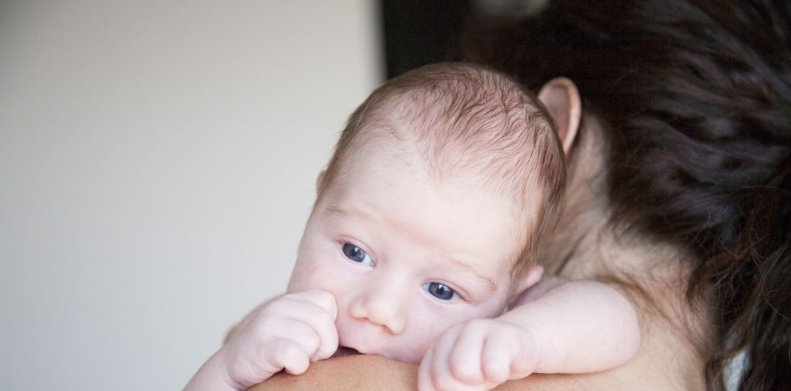
One of the more common food allergies ORIGINS is seeing in babies is cow’s milk protein allergy (CMPA).
Childhood dementias are a group of rare and ultra-rare paediatric conditions clinically characterised by enduring global decline in central nervous system function, associated with a progressive loss of developmentally acquired skills, quality of life and shortened life expectancy. Traditional research, service development and advocacy efforts have been fragmented due to a focus on individual disorders, or groups classified by specific mechanisms or molecular pathogenesis.
Current immunization guidelines recommend one dose of influenza vaccine for children aged ≥9 years and two doses for younger or vaccine-naïve children. However, children receiving chemotherapy have an attenuated immune response. We performed a prospective open-label study in children undergoing treatment for cancer at Perth Children's Hospital, Western Australia, to examine the safety and efficacy of a boosted influenza schedule.
Unlike adults, malignant melanoma in children and adolescents is rare. In adult melanoma, significant progress in understanding tumor biology and new treatments, including targeted therapies and immunotherapy have markedly improved overall survival. In sharp contrast, there is a paucity of data on the biology and clinical behavior of pediatric melanoma. We report a national case series of all pediatric and adolescent malignant melanoma presenting to ANZCHOG Childhood Cancer Centers in Australia and New Zealand.