
Search
Showing results for "early life"
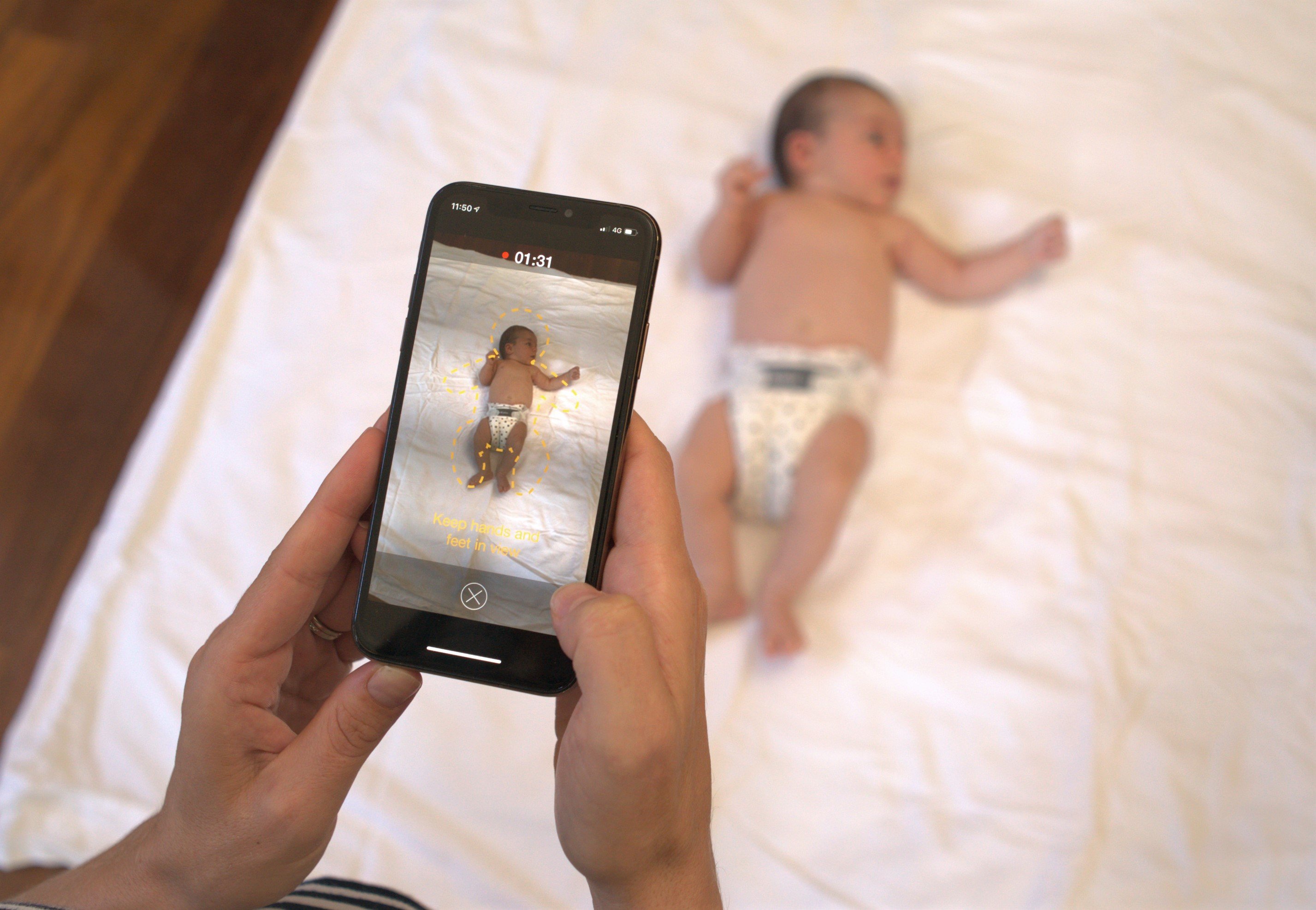
Can baby’s early movements predict learning difficulties later in childhood?
This chapter discusses the importance of investment in early life determinants of health to break the cycle of long-term disadvantage. This chapter addresses these issues while focussing on neurodevelopmental disorders and their related mental health concerns as the targets at the centre of a biopsychosocial transformation of the health system.
The Early Moves study is investigating whether a baby’s early movements can predict difficulties with learning (known as cognitive impairment) later in childhood.
This study will investigate the why disease is worse in infants and how early life viral infection impacts the developing immune system.
Valerie Verhasselt MD, PhD Head, Immunology and Breastfeeding 0402997617 Valerie.verhasselt@thekids.org.au Head, Immunology and Breastfeeding @
Here we review the historical origins of exposome research and define a new concept, the metaexposome
Shannon Simpson BMedSci (hons), PhD Head, Strong Beginnings Research, Co-head Foundations of Lung Disease 08 6319 1631 Shannon.simpson@thekids.org.au
The association between early-life respiratory syncytial virus infections and later respiratory morbidity is well established. However, there is limited evidence on factors that influence this risk. We examined sociodemographic and perinatal factors associated with later childhood respiratory morbidity requiring secondary care following exposure to a laboratory-confirmed RSV episode in the first 2 years.
Newborn babies and their fragile immune systems struggle to fight off nasty infections such as septicaemia, pneumonia and gastroenteritis.
Early life nutrition is associated with child behaviour; however, the interplay with genetic vulnerability is understudied. We hypothesised that psychiatric genetic risk interacted with early nutrition to predict behavioural problems in childhood and adolescence.