
Search
Children born preterm have impaired lung function and altered lung structure. However, there are conflicting reports on how preterm birth impacts aerobic exercise capacity in childhood. We aimed to investigate how neonatal history and a diagnosis of bronchopulmonary dysplasia (BPD) impact the relationship between function and structure of the lung, and aerobic capacity in school-aged children born very preterm.
The nasal epithelium is the primary point of contact for inhaled respiratory viruses such as rhinovirus, respiratory syncytial virus, influenza, and coronavirus, among others. In order to establish infection, these viruses must engage their respective receptors located on host epithelial cells and begin replication.
Rhinoviruses (RV) are the most common respiratory viruses globally and a major cause of airway symptoms in children and individuals with asthma. Although more than 170 RV types exist across 3 species (RV-A, RV-B, RV-C), type-specific circulation patterns and age-related prevalence remain poorly defined.
Wheezing and asthma exacerbations are leading causes of pediatric hospital admissions. Predicting which children will experience persistent exacerbations remains challenging. Prior research has identified immune endotypes in the nasal epithelium of children with acute asthma and wheezing, characterized by varying balances of interferons and inflammatory markers. Notably, children exhibiting low interferon responses coupled with high inflammation are at an increased risk for recurrent respiratory exacerbations.
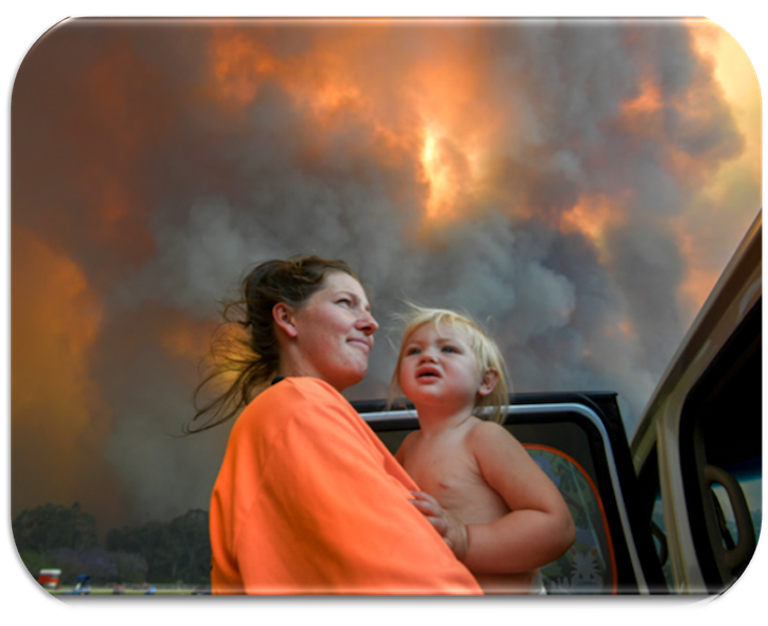
The greatest threat to children’s health in the future is environmental change, including climate change. The Future Child Health project aims to quantify how current and future environmental changes affect child health.
Large numbers of children need emergency medical treatment each year for respiratory illnesses, particularly for wheezing and asthma.
An NHMRC grant exploring epigenetic factors that affect wheezing and asthma development.