
Search
This systematic review aimed to summarise existing literature on the impacts of armed conflicts on tuberculosis burden and treatment outcomes.
Hypoxaemia occurs in approximately 30% of children during anaesthesia for flexible bronchoscopy. High-flow nasal oxygen (HFNO) can prolong safe apnoea time and be used in children with abnormal airways. During flexible bronchoscopy, there is limited evidence if HFNO confers advantages over current standard practice in avoiding hypoxaemia. The aim is to investigate feasibility of HFNO use during anaesthesia for flexible bronchoscopy to reduce frequency of rescue oxygenation and hypoxaemia.
Improving maternal gut health in pregnancy and lactation is a potential strategy to improve immune and metabolic health in offspring and curtail the rising rates of inflammatory diseases linked to alterations in gut microbiota. Here, we investigate the effects of a maternal prebiotic supplement (galacto-oligosaccharides and fructo-oligosaccharides), ingested daily from <21 weeks' gestation to six months' post-partum, in a double-blinded, randomised placebo-controlled trial.
Some young people who identify as transgender and seek gender-affirming medical care subsequently reidentify with their sex registered at birth. Evidence regarding the frequency and characteristics of this experience is lacking.
We tested the potential for Gazefinder eye-tracking to support early autism identification, including feasible use with infants, and preliminary concurrent validity of trial-level gaze data against clinical assessment scores. We embedded the ~ 2-min 'Scene 1S4' protocol within a comprehensive clinical assessment for 54 consecutively-referred, clinically-indicated infants (prematurity-corrected age 9-14 months).
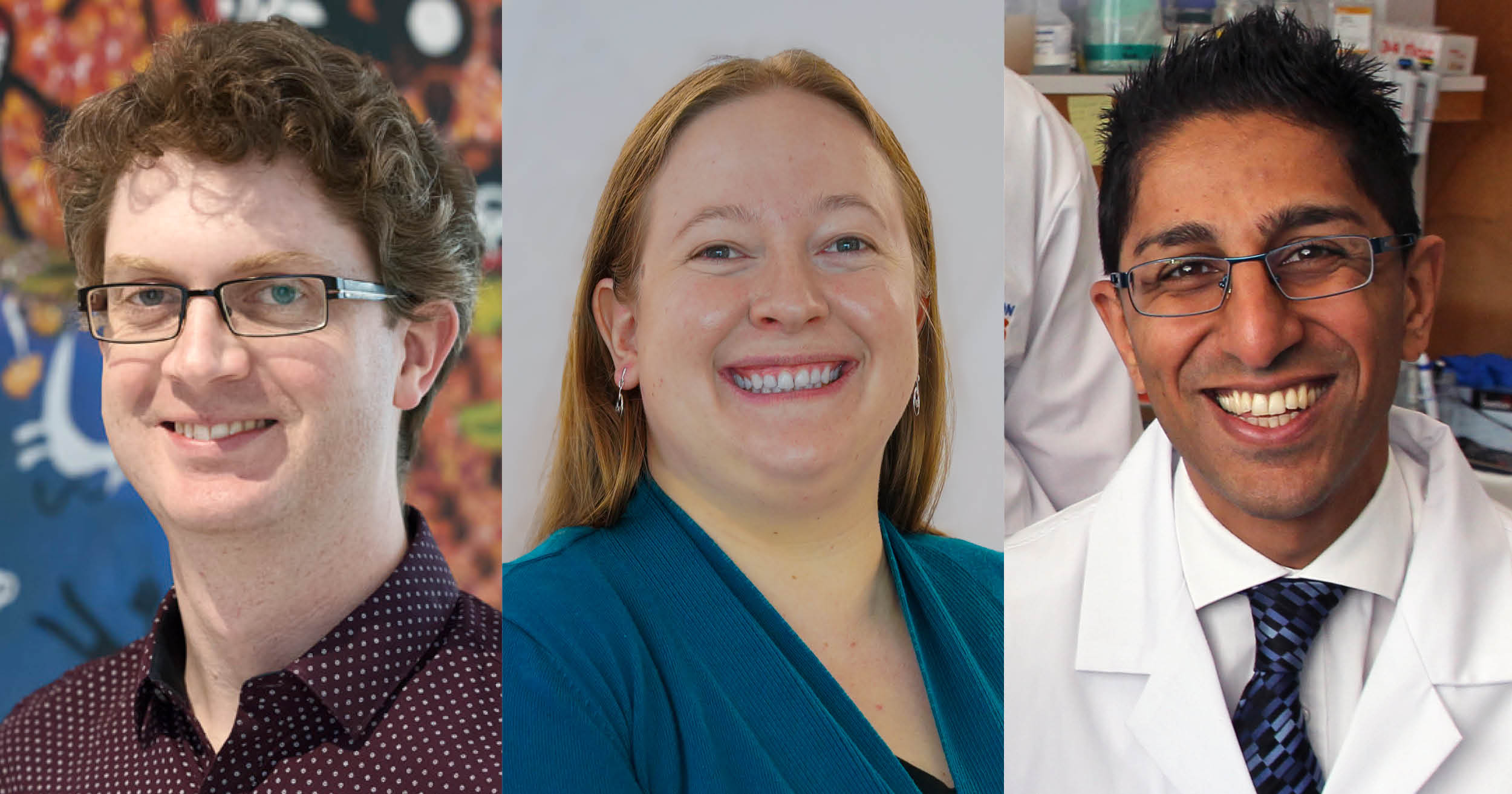
Congratulations to three outstanding The Kids Research Institute Australia researchers who have received second chance WA health funding designed to support researchers who have narrowly missed out on highly competitive national funding.
Britta Regli-von Ungern-Sternberg AM FAHMS MD, PhD, DEAA, FANZA Chair of Paediatric anaesthesia, University of Western Australia; Consultant
Children with difficult tracheal intubation are at increased risk of severe complications, including hypoxaemia and cardiac arrest. Increasing experience with the simultaneous use of videolaryngoscopy and flexible bronchoscopy (hybrid) in adults led us to hypothesise that this hybrid technique could be used safely and effectively in children under general anaesthesia.
Birk-Landau-Perez syndrome is a genetic disorder caused by biallelic pathogenic variants in SLC30A9 presenting with a complex movement disorder, developmental regression, oculomotor abnormalities, and renal impairment. It has previously been reported in 2 families. We describe the clinical phenotype of 8 further individuals from 4 unrelated families with SLC30A9-related disease.
Probiotic supplementation in the neonatal period results in improved gut colonisation with probiotic bacteria in the short term. There is limited information on the long-term sustainability of this colonisation.