
Search
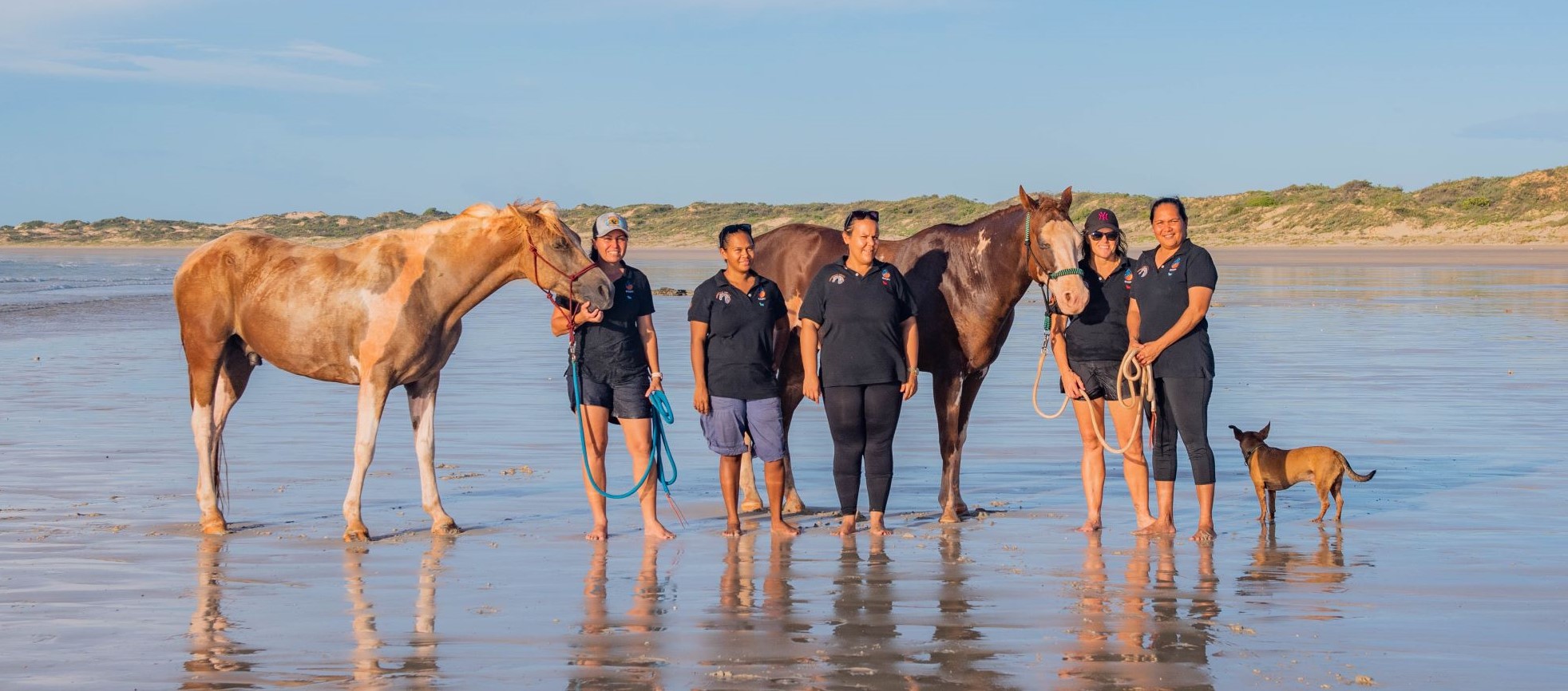
The Yawardani Jan-ga Equine-Assisted Learning (EAL) research project, headed by Professor Juli Coffin in WA’s Kimberley region, is steadily growing its capacity to support the social, emotional and spiritual wellbeing of Aboriginal young people through the powerful medium of horses.
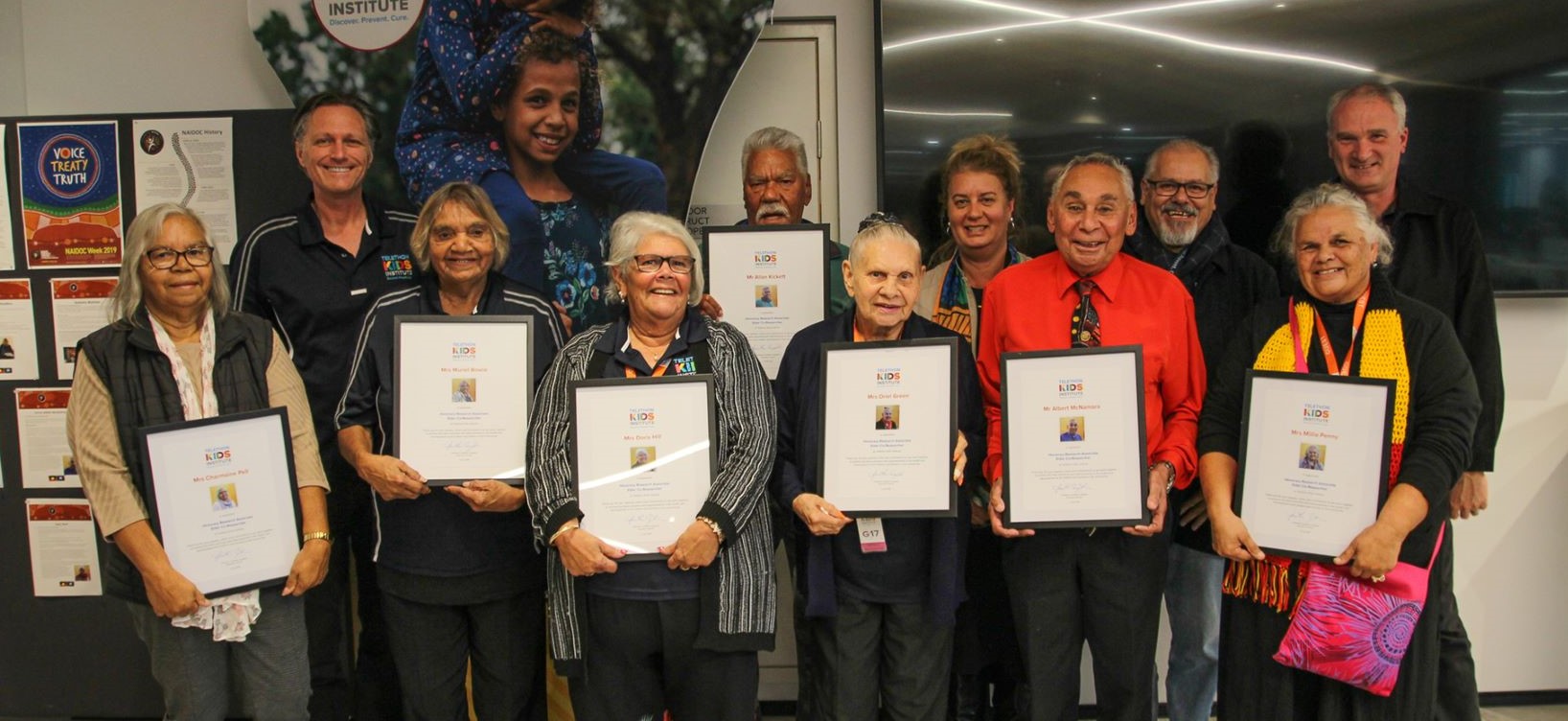
The Ngulluk Koolunga Ngulluk Koort (Our Children, Our Heart) Project grew out of a bold vision to harness the wisdom of Aboriginal Elders to improve outcomes for Aboriginal children, producing a suite of Elder-led, culturally appropriate and empowering initiatives that are making a difference.

Two international trials led by The Kids Research Institute Australia’s Neonatal and Infection Immunity Team are tackling the urgent need for simple and safe interventions that can help prevent the adverse long-term effects of infections in extremely preterm babies.
Childhood emotional abuse (CEA) has been linked to response-focused emotion regulation in adulthood. However, the underlying mechanisms remain unexplored. This pre-registered study examined whether shame mediates the association between CEA history and aversive cognitive perseveration (ACP), including brooding rumination, experiential avoidance and emotional non-acceptance, in adulthood.
The potential implementation of early type 1 diabetes (T1D) detection pathways, encompassing autoantibody screening and longitudinal monitoring, raises important psychosocial considerations for ethical, person-centred care. This review summarises evidence on the psychosocial impact of early T1D detection, identifying key evidence gaps and recommendations for integrating psychosocial support.
Functional studies of how early-life interventions shape the airway microbiome remain scarce. Here, we performed metagenomic sequencing of 704 longitudinal nasal swabs from infants with and without cystic fibrosis (CF) to construct and characterize a non-redundant gene atlas of the infant nasal microbiome. We aimed to determine how the nasal microbiome is perturbed by early therapies, as CF is commonly treated with inhaled hypertonic saline to improve mucociliary clearance.
Allergic diseases are rising worldwide, especially in childhood, and their clinical diversity increasingly exposes the limits of traditional phenotype-based classifications. Genetic susceptibility, environmental exposures, epithelial barrier biology, and immune pathways interact to shape highly variable disease trajectories and treatment responses. In this context, precision medicine is no longer only an aspirational concept, but a practical effort to define meaningful endotypes, identify clinically useful biomarkers, and connect biological insight to prevention and care.
The prevalence of allergic diseases across the Australian population, in all regions and age groups, is not well documented. This study aimed to describe the prevalence and distribution of five allergic diseases (allergic rhinitis, asthma, drug allergy, eczema, and food allergy) and examine differences by sociodemographic factors.
Observable signs of clinical deterioration may present differently in children with dark-coloured skin, leading to potential missed or delayed recognition. It is unknown how health professionals approach assessment in children with dark-coloured skin.
The developing hippocampus is particularly sensitive to early environmental influences, including during pregnancy. This longitudinal neuroimaging study examined associations between prenatal maternal physical activity and depression, maternal education, and hippocampal development from early childhood to early adolescence.