
Search
Anti-cancer chemotherapy can be simultaneously lymphodepleting and immunostimulatory.
The relation between intrauterine growth and risk of childhood acute lymphoblastic leukemia was investigated in an Australian population-based case-control...
Glucocorticoids (GCs) are among the most important drugs for the treatment of acute lymphoblastic leukaemia (ALL).
Effective antitumor CD8 T cell responses may be activated by directly targeting the innate immune system within tumors.
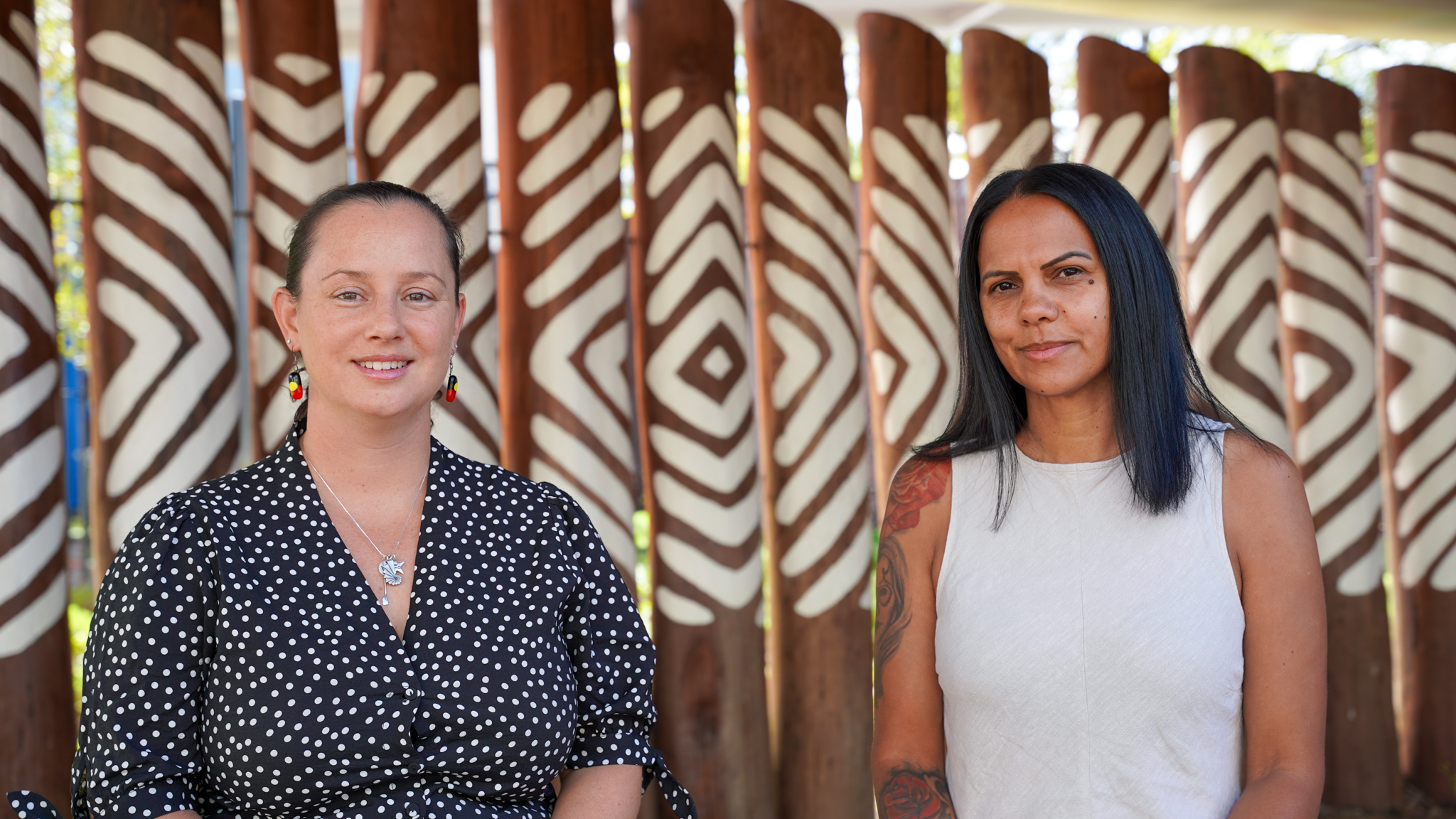
A first of its kind research program at The Kids Research Institute Australia aims to develop new strategies to better treat Aboriginal and Torres Strait Islander children with cancer.
Invasive fungal disease is a common and important complication in children with acute myeloid leukaemia (AML). We describe the epidemiology of IFD in a large multicentre cohort of children with AML.
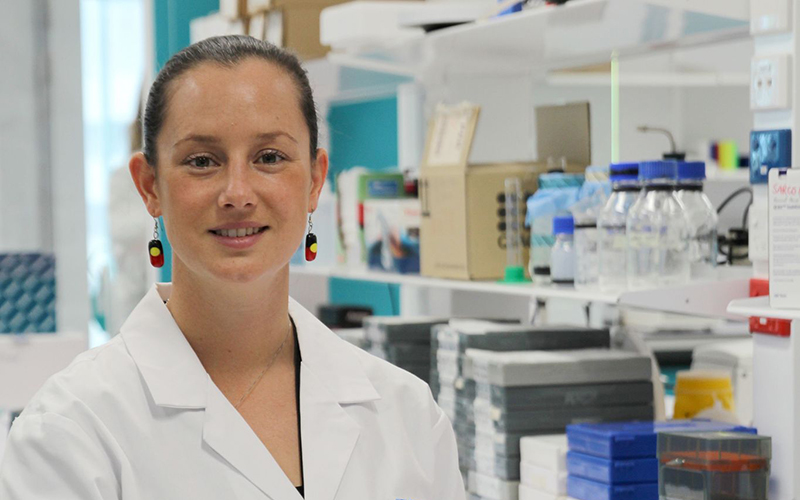
The Kids Research Institute Australia brain cancer researcher, Dr Jessica Buck will today join the ranks of a select group of brilliant female scientists.
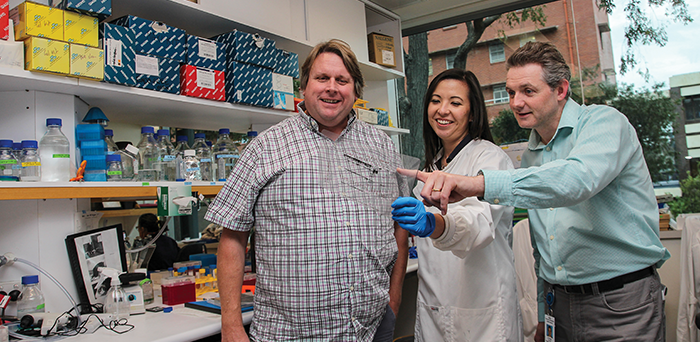
In the field of cancer research, lobbying efforts by the The Kids Cancer Centre have contributed to major initiatives including Australia’s first personalised medicine program for children with high-risk cancer, and a mission to boost survival rates in brain cancer patients.

One of the researchers who helped crack the code of 10-year-old Northam girl Charlotte Patterson’s incredibly rare disease has received State Government funding that will allow her to use the same methods to rapidly assess the cases of hundreds more patients living with undiagnosed disease.
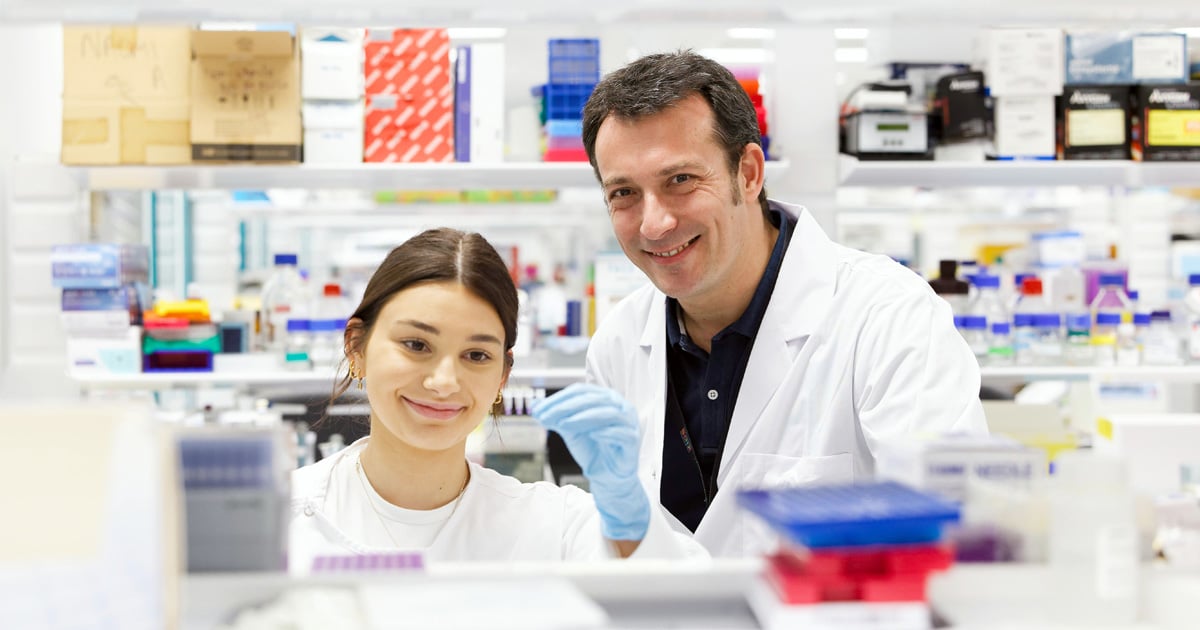
A team of world-leading scientists has secured $5 million in funding from the Leukaemia and Lymphoma Society to advance the fight against leukaemia in children with Down syndrome.