
Search
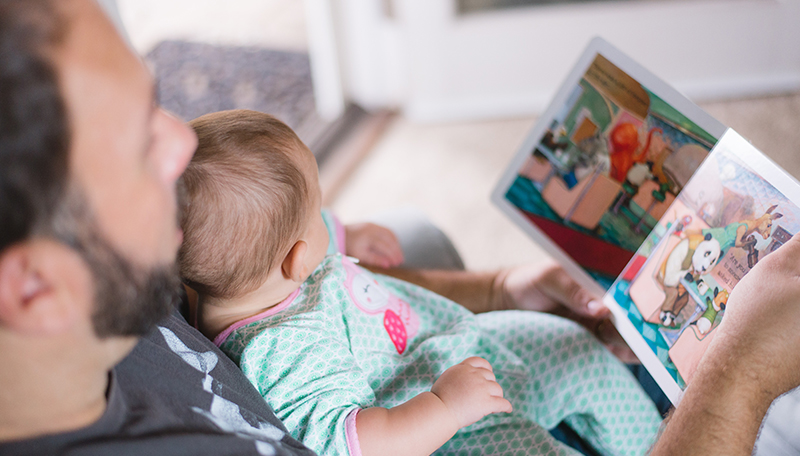
Reading to your child is one of the easiest, most enjoyable activities you can do as a parent or caregiver.

Leading child health researcher Professor Donna Cross has been appointed as Director of the new Early Childhood Development and Learning Collaboration, hosted b

The Kids has congratulated Andrew & Nicola Forrest on their visionary commitment to develop a new blueprint for optimal child development in Aust & beyond.

Minderoo Foundation and The Kids Research Institute Australia are proud to partner with the Western Australian Government on an unprecedented $49.3 million commitment to
Belaynew Christopher Peter Hannah Minda Huong Taye Blyth Richmond Moore Sarna Le MD, MPH, PhD MBBS (Hons) DCH FRACP FRCPA PhD MBBS MRCP(UK) FRACP OAM
As herpes simplex virus in infancy is not a mandatory notifiable condition in Australia, completeness of ascertainment by the Australian Paediatric Surveillance Unit (APSU) has been difficult to evaluate to date. We evaluated case capture in Queensland and Western Australia using statewide laboratory and clinical data and complementary surveillance data collected via the APSU.
Christopher Peter Hannah Blyth Richmond Moore MBBS (Hons) DCH FRACP FRCPA PhD MBBS MRCP(UK) FRACP OAM BSc (Hons) GradDipClinEpi PhD Centre Head,
The estimated effectiveness of SMS (short message service) reminders for improving childhood vaccine coverage and timeliness has varied in previous studies. The observed heterogeneity in effectiveness may be explained in part by variation in reminder content or timing of the reminder relative to the vaccine schedule date. We sought to evaluate the effectiveness of a range of SMS reminders of varied content and timing for improving on-time childhood vaccination.
We assessed the impact of maternally derived pertussis antibodies on infant responses to a 2 + 1 vaccine schedule (6 weeks, 12 weeks, and 12 months). Infants with baseline antibodies showed lower IgG responses following the primary vaccination series, but this did not impair booster responses at 4 years of age.
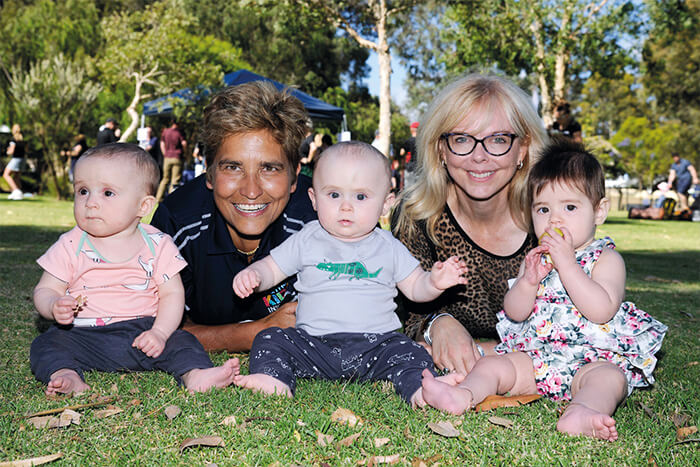
A collaboration between The Kids Research Institute Australia and Joondalup Health Campus is poised to be a game-changer for early childhood development.