
Search
Showing results for "early life"
Preterm infants are at a higher risk of hospitalisation following discharge from the hospital after birth.
Australian Aboriginal people have among the highest rates of invasive pneumococcal disease (IPD) worldwide. This paper investigates clinical diagnosis, risk...
Although neurocognitive, psychological and behavioural problems were noted for some patients during medical review, only 20% of patients were formally assessed.
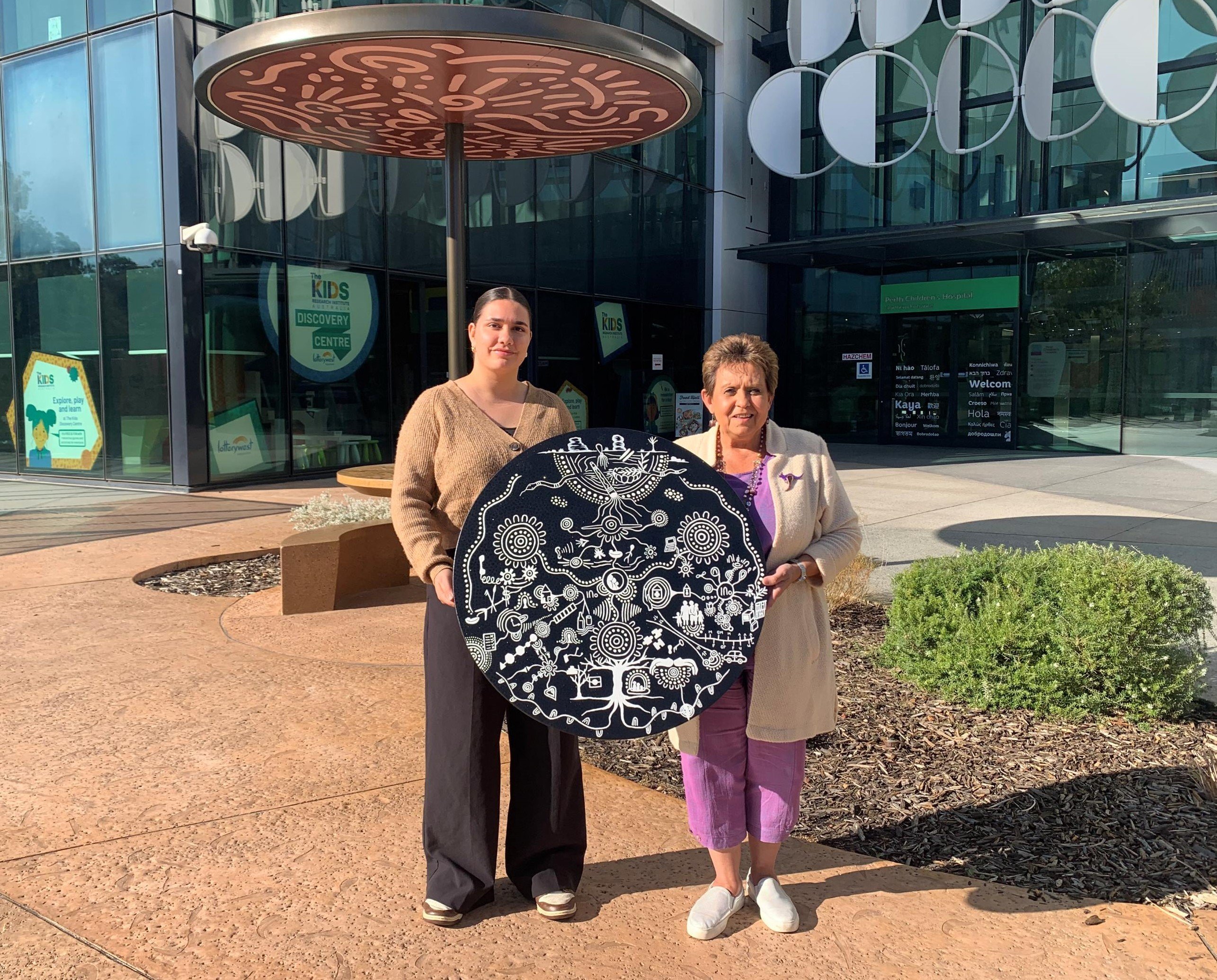
Artwork maps the history of Aboriginal and Torres Strait Islander parenting
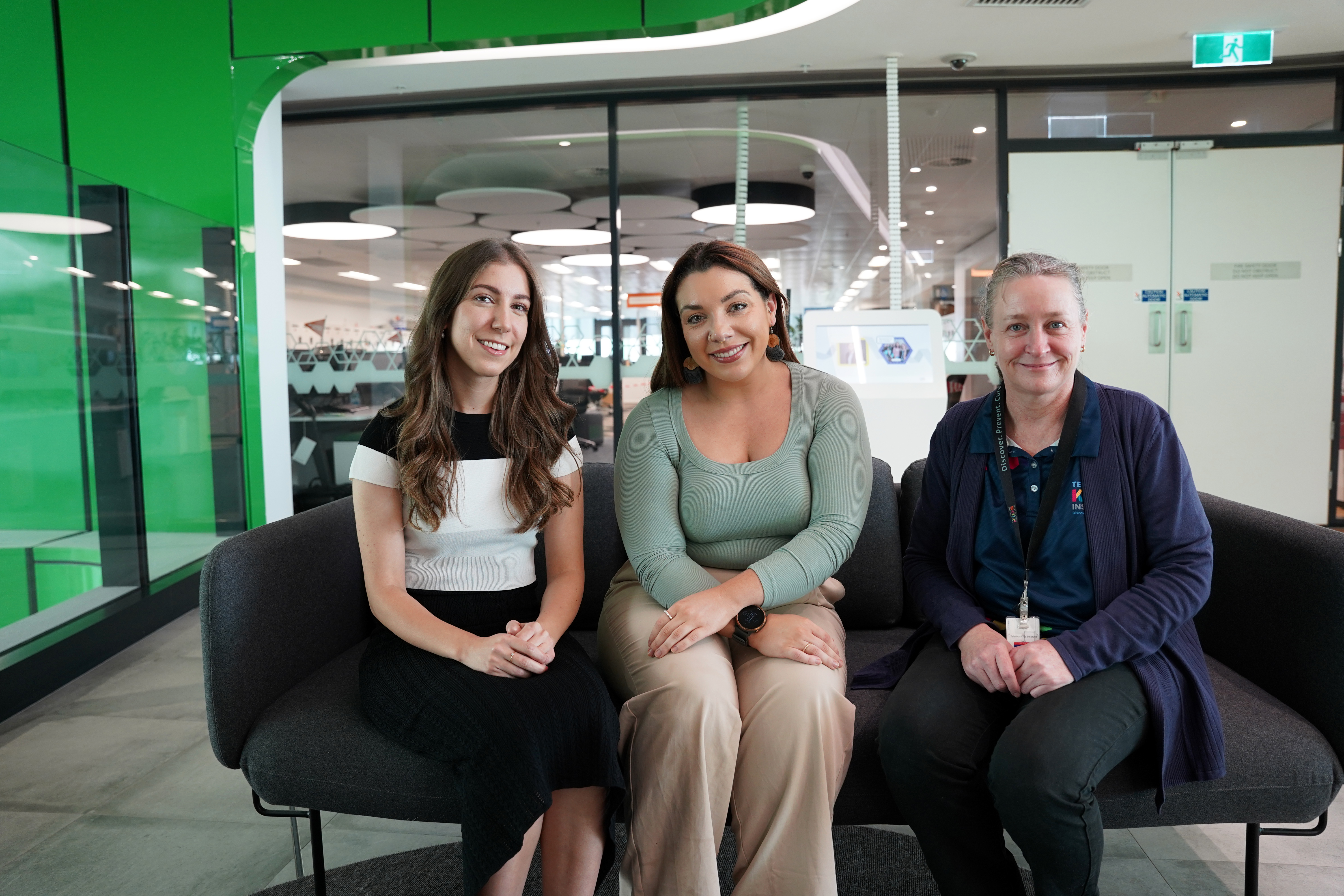
Three of the four 2023 Embrace Seeding Grant winners.

Research focussed on identifying which children will develop asthma, and developing more specific asthma treatments, has been supported by the National Health and Medical Research Council’s (NHMRC) Ideas Grants announced by the Federal Government on 14 December 2022.
Parents may be concerned that social media is teaching their children that they’re not good enough because of the impossible standards which are set.
Yasmin Harman-Smith BA, BHlthSc(Hons), PhD Head, Early Years Systems Evidence; Head, Tenders Support Unit Yasmin.harman-smith@thekids.org.au Head,
WHO, as requested by its member states, launched the Expanded Programme on Immunization (EPI) in 1974 to make life-saving vaccines available to all globally. To mark the 50-year anniversary of EPI, we sought to quantify the public health impact of vaccination globally since the programme's inception.
The burden of perinatal mental illness is a significant global concern, affecting approximately 10–20% of women at this stage of life. It is well recognised that Rural Australia has far less health services and mental health specialists per capita than metropolitan regions.