
Search
Showing results for "early life"
We detail the unique findings from an Aboriginal early child development research project with a specific focus on the Nyoongar/Aboriginal community of Perth
The impact of children’s experiences through their first 2,000 days of life – from conception to the start of full-time schooling – are widely acknowledged.
Infants with cystic fibrosis (CF) develop structural lung disease early in life, and viral infections are associated with progressive lung disease. We hypothesized that the presence of respiratory viruses would be associated with structural lung disease on computed tomography (CT) of the chest in infants with CF.
Loneliness is an unavoidable facet of human existence. When chronic and intense, adolescent loneliness is associated with maladjustment over time. A prospective multiple-cohort study examined the links between child-reported loneliness and coping skills and parent-rated child mental health in early adolescence, with a total of 266 students from 75 primary and 152 secondary schools.
The impact of perinatal outcomes, maternal social and health outcomes and level of culturally secure service availability on the health outcomes of Western Australian Aboriginal infants and children

Dr Amy Finlay-Jones has been awarded the prestigious Healthway Fellowship for 2021.

Congratulations to four outstanding early-career researchers from The Kids Research Institute Australia, who have been awarded BrightSpark Foundation fellowships and project funding for 2026.
To describe the infant and maternal characteristics of the Early Moves cohort and to assess representativeness to the general population, and to evaluate the implementation fidelity of an application-based collection of General Movement Assessment (GMA) videos at writhing and fidgety age.
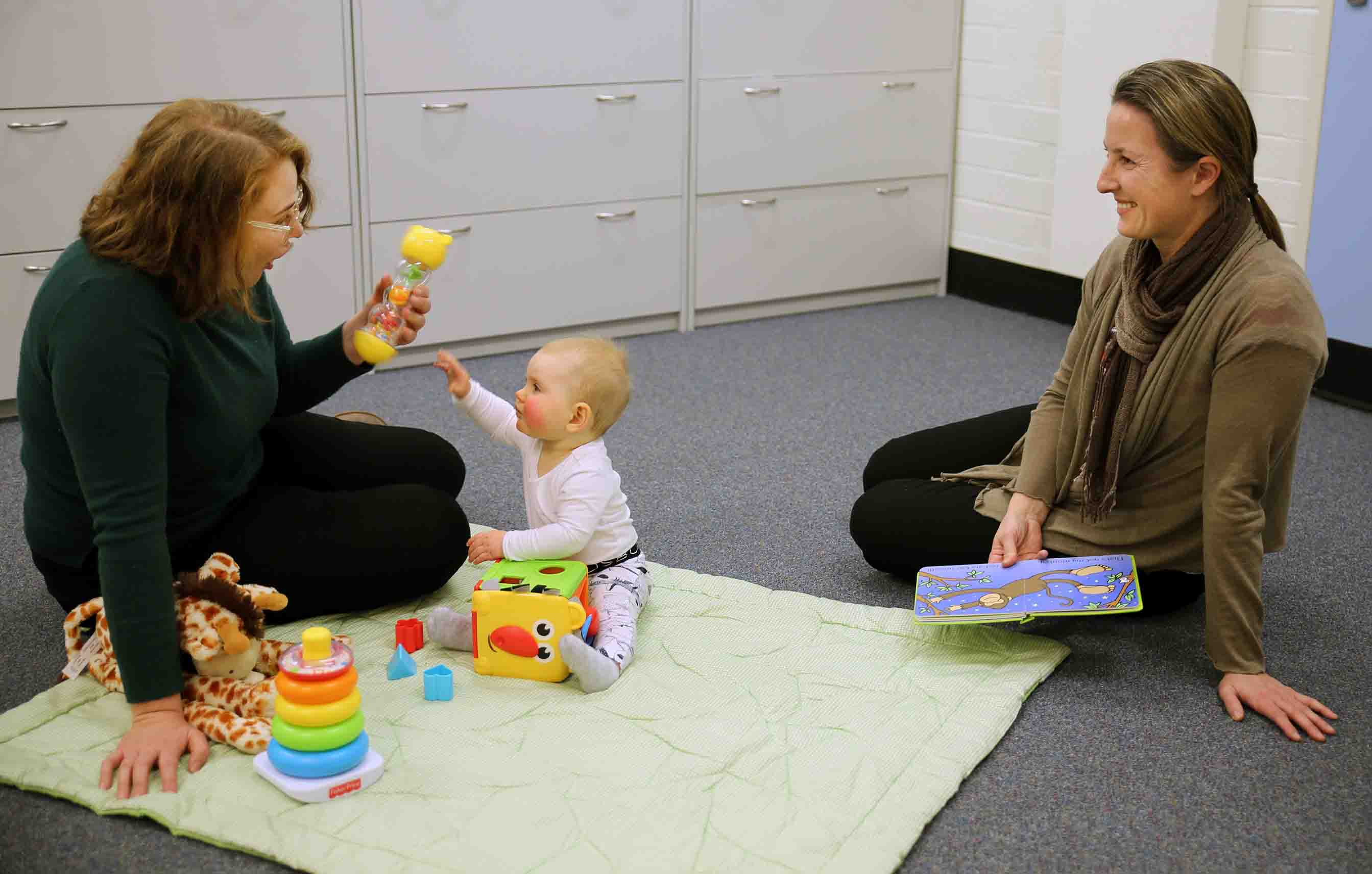
The first rigorous trial of a pre-emptive behavioural intervention for babies showing early signs of autism has found the therapy can improve early language development.
Growing evidence supports a role for infection in the etiology of ALL and the involvement of immune systems suggests that vaccination may also play a role.