
Search
Showing results for "early life"
Yasmin Harman-Smith BA, BHlthSc(Hons), MTeach(Primary), PhD Head, Early Years Systems Evidence Yasmin.harman-smith@thekids.org.au Head, Early Years
Intensive rehabilitation aims to improve and maintain functioning in young people who experience disability due to illness or injury. Day rehabilitation may have advantages for families and healthcare systems over inpatient models of rehabilitation.
Birk-Landau-Perez syndrome is a genetic disorder caused by biallelic pathogenic variants in SLC30A9 presenting with a complex movement disorder, developmental regression, oculomotor abnormalities, and renal impairment. It has previously been reported in 2 families. We describe the clinical phenotype of 8 further individuals from 4 unrelated families with SLC30A9-related disease.
For children with cerebral palsy (CP), who are marginally ambulant, gross motor capacity peaks between 6 and 7 years of age with a subsequent clinical decline, impacting their ability to engage in physical activity. Active Strides-CP is a novel package of physiotherapy targeting body functions, activity and participation outcomes for children with bilateral CP. This study will compare Active Strides-CP to usual care in a multisite randomised waitlist-controlled trial.
Full breastfeeding for <3 months compared with ≥3 months may be associated with rapid growth in early childhood and body composition in young adulthood
The Australian Technical Advisory Group on Immunisation and New Zealand Ministry of Health recommend all children aged ≥ 5 years receive either of the two mRNA COVID-19 vaccines: Comirnaty (Pfizer), available in both Australia and New Zealand, or Spikevax (Moderna), available in Australia only. Both vaccines are efficacious and safe in the general population, including children. Children and adolescents undergoing treatment for cancer and immunosuppressive therapy for non-malignant haematological conditions are particularly vulnerable, with an increased risk of severe or fatal COVID-19.
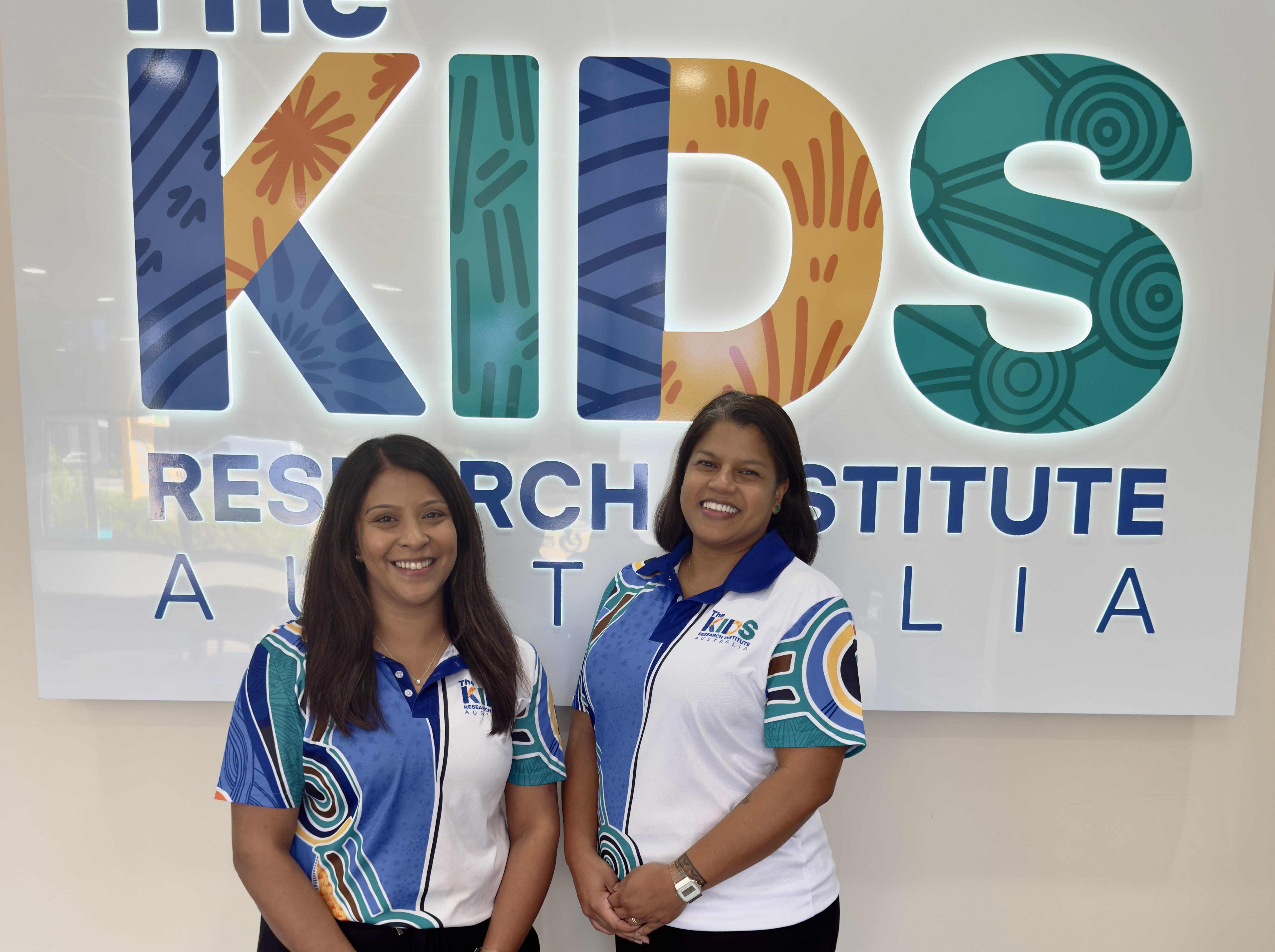
Hear from Avril Bezant, ORIGINS Data Coordinator, and Alexis Harun, ORIGINS Paediatric Coordinator, and be reminded that it’s never too late to pursue your passion along with their hopes for women entering a STEM career.
Half of the most severe cases of cerebral palsy (CP) survive to adulthood, but because this longevity is relatively recent, there is no empirical experience of

Amber Mum of four, Ethany, Xavier, Imogen and Adison. Co-founder of Tiny Sparks WA, Chair of Preterm Community Reference Group, Wal-yan Respiratory
Neisseria meningitidis is commensal of the human pharynx and occasionally invades the host, causing the life-threatening illness invasive meningococcal disease. The meningococcus is a highly diverse and adaptable organism thanks to natural competence, a propensity for recombination, and a highly repetitive genome.