
Search
Showing results for "early life"

Researchers from the Wal-yan Respiratory Research Centre are proud to be part of this prestigious event, contributing their expertise to the Congress' outstanding scientific programme.
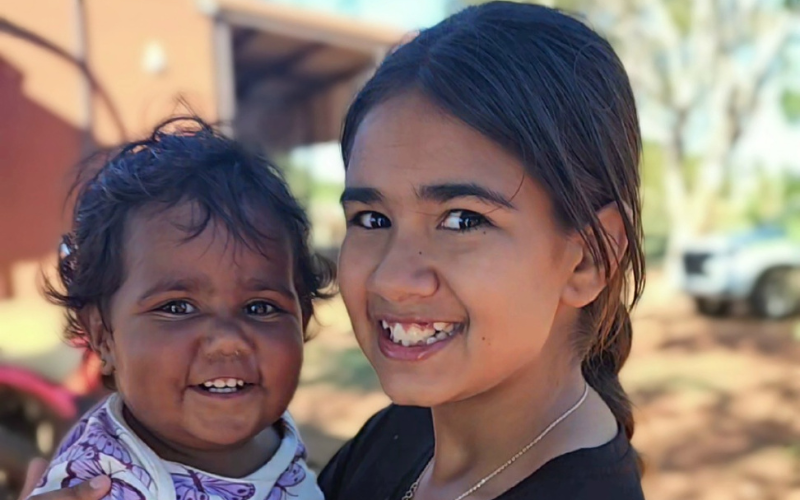
The key to improving the lung health of Aboriginal children lies in establishing strong community connections.
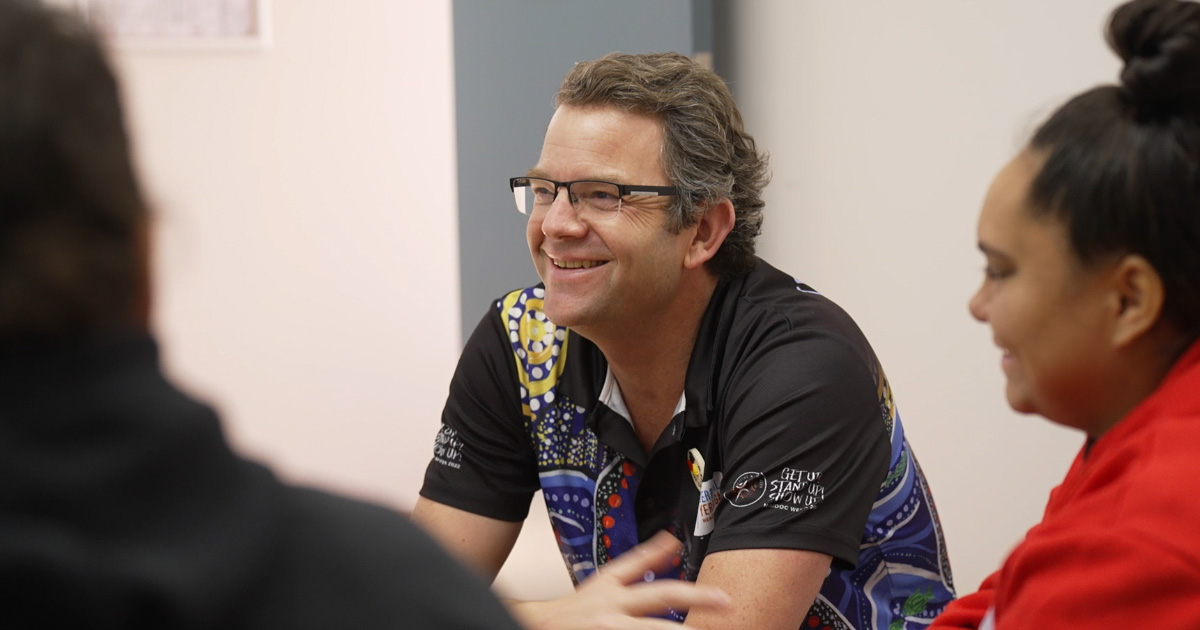
Derbarl Yerrigan Health Service (DYHS) has developed a holistic paediatric service unit anchored in primary health care and underpinned by care coordination provided by an experienced nurse and multi-disciplinary team.
Chronic suppurative otitis media (CSOM), sometimes referred to as chronic otitis media (COM), is a chronic inflammation and often polymicrobial infection (involving more than one micro-organism) of the middle ear and mastoid cavity, characterised by ear discharge (otorrhoea) through a perforated tympanic membrane. The predominant symptoms of CSOM are ear discharge and hearing loss. Antibiotics are the most common treatment for CSOM, which act to kill or inhibit the growth of micro-organisms that may be responsible for the infection.
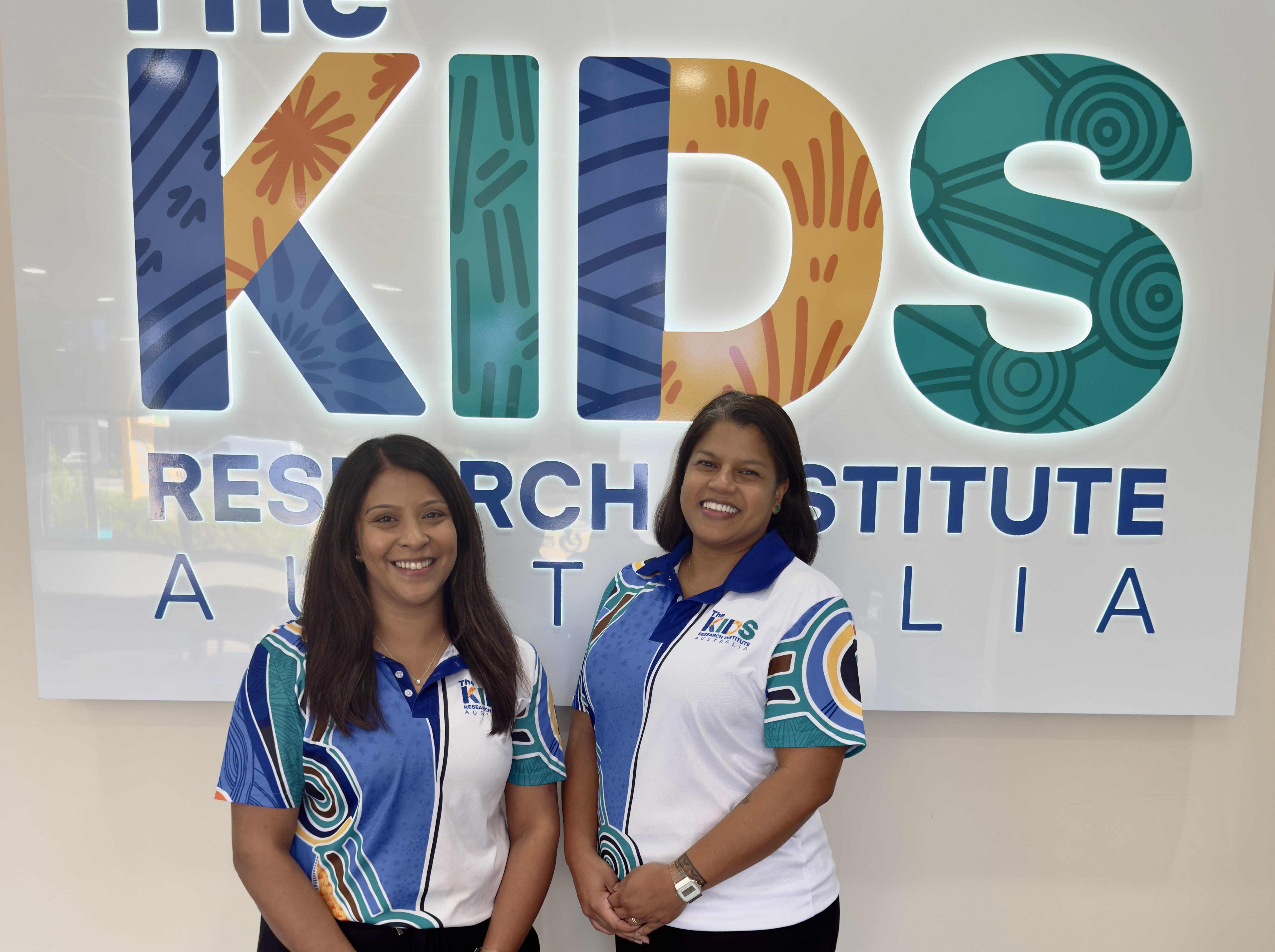
Hear from Avril Bezant, ORIGINS Data Coordinator, and Alexis Harun, ORIGINS Paediatric Coordinator, and be reminded that it’s never too late to pursue your passion along with their hopes for women entering a STEM career.
The Australian Technical Advisory Group on Immunisation and New Zealand Ministry of Health recommend all children aged ≥ 5 years receive either of the two mRNA COVID-19 vaccines: Comirnaty (Pfizer), available in both Australia and New Zealand, or Spikevax (Moderna), available in Australia only. Both vaccines are efficacious and safe in the general population, including children. Children and adolescents undergoing treatment for cancer and immunosuppressive therapy for non-malignant haematological conditions are particularly vulnerable, with an increased risk of severe or fatal COVID-19.
This study described the rehabilitation services accessed by children with stroke following acute admission to two Australian paediatric tertiary hospitals prior to the implementation of clinical practice guidelines. It also evaluated quality-of-care indicators for inpatient rehabilitation within these two settings.
To describe writhing General Movements Assessment (GMA) classification and General Movement Optimality Score-Revised (GMOS-R) profiles in the general population; to explore relationships between GMOS-R scores and GMA classification, age of assessment and infant socio-demographic factors; and to establish the inter-rater reproducibility of writhing age GMA classification and GMOS-R.
The early years is a critical stage to establish optimal nutrition and movement behaviours. Community playgroups are a relaxed environment for parents with a focus on social connection and supporting parents in their role as 'First Teachers'. Playgroups are therefore an opportunistic setting to promote health behaviours in the early years.
Yasmin Harman-Smith BA, BHlthSc(Hons), MTeach(Primary), PhD Head, Early Years Systems Evidence Yasmin.harman-smith@thekids.org.au Head, Early Years