
Search
Showing results for "early life"
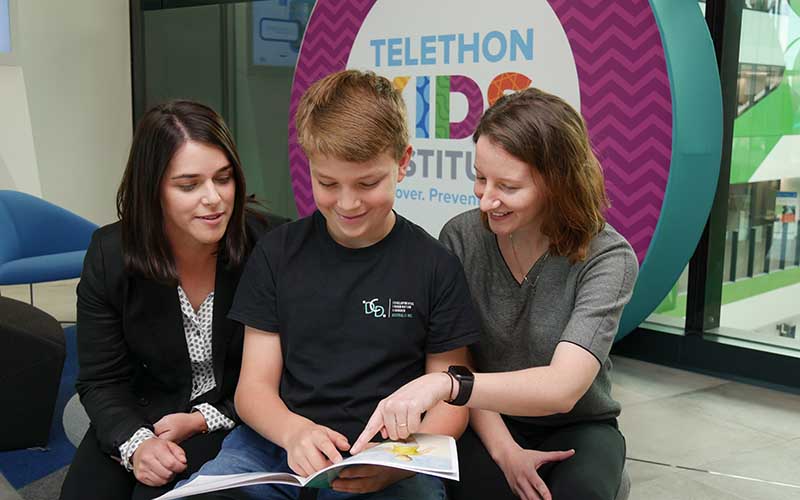
Two The Kids Research Institute Australia researchers behind a new book featuring the voices of Kids with DCD.
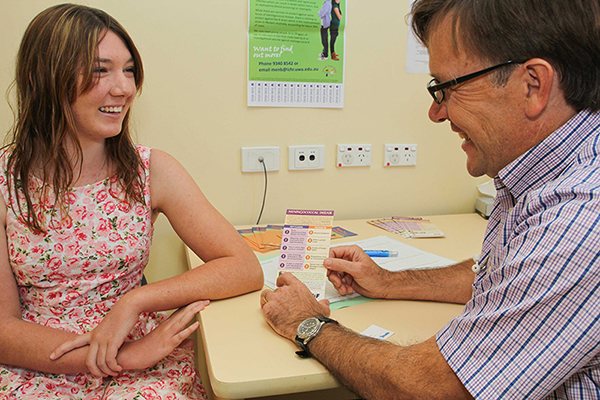
Meningococcal disease is caused by the bacteria Neisseria meningitidis, or 'meningococcus'. It is an uncommon but very serious disease that can result in death if not recognised and treated quickly.

Browse the published work of the Centre's researchers
It is well recognized that genetic disease makes a significant contribution to childhood illness. Here, we present recent population data describing...
Estimates of the prevalence of intellectual disability or autism spectrum disorder may vary depending on the methodology, geographical location, and sources of ascertainment. The National Disability Insurance Scheme in Australia was introduced progressively from 2016 to provide individualized funding for eligible people with a significant and permanent disability.
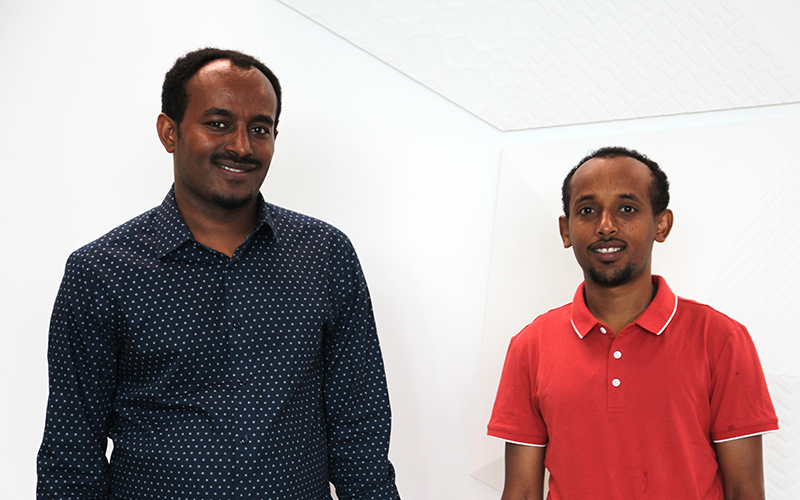
New research highlights the long-term physical health problems faced by people who survive drug-resistant tuberculosis (TB) .
The purpose of this study is to explore the effectiveness of a hospital-based asynchronous ear, nose, and throat telehealth service (the Ear Portal) in reducing cost and improving access for children with otitis media.
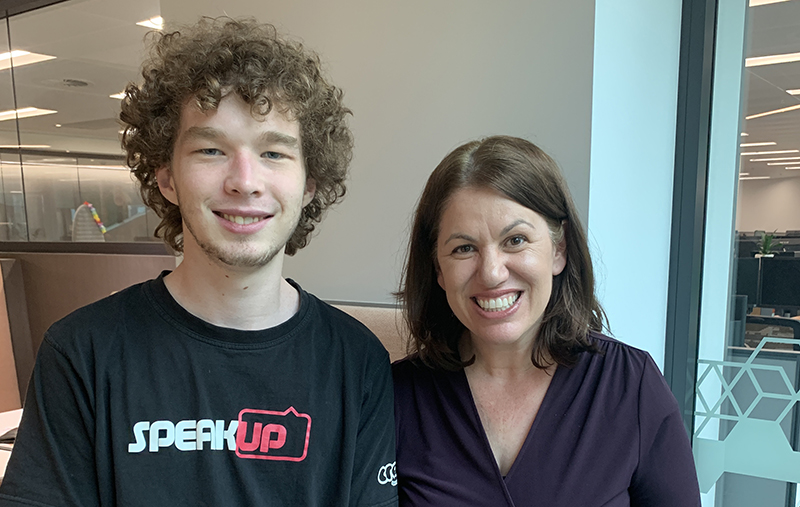
A The Kids report which found young people leaving foster care are in desperate need of more help transitioning to adulthood has lent strength to a national push to extend formal support to the age of 21.

Gender dysphoria is experienced differently by everyone. Here are some ideas that could help trans and gender diverse young people cope with dysphoria.
Emma Helen Glasson Leonard BPsych BSc (Hons) PhD MBChB MPH Senior Research Fellow Principal Research Fellow +61 419 956 946 emma.glasson@