
Search
Showing results for "early life"
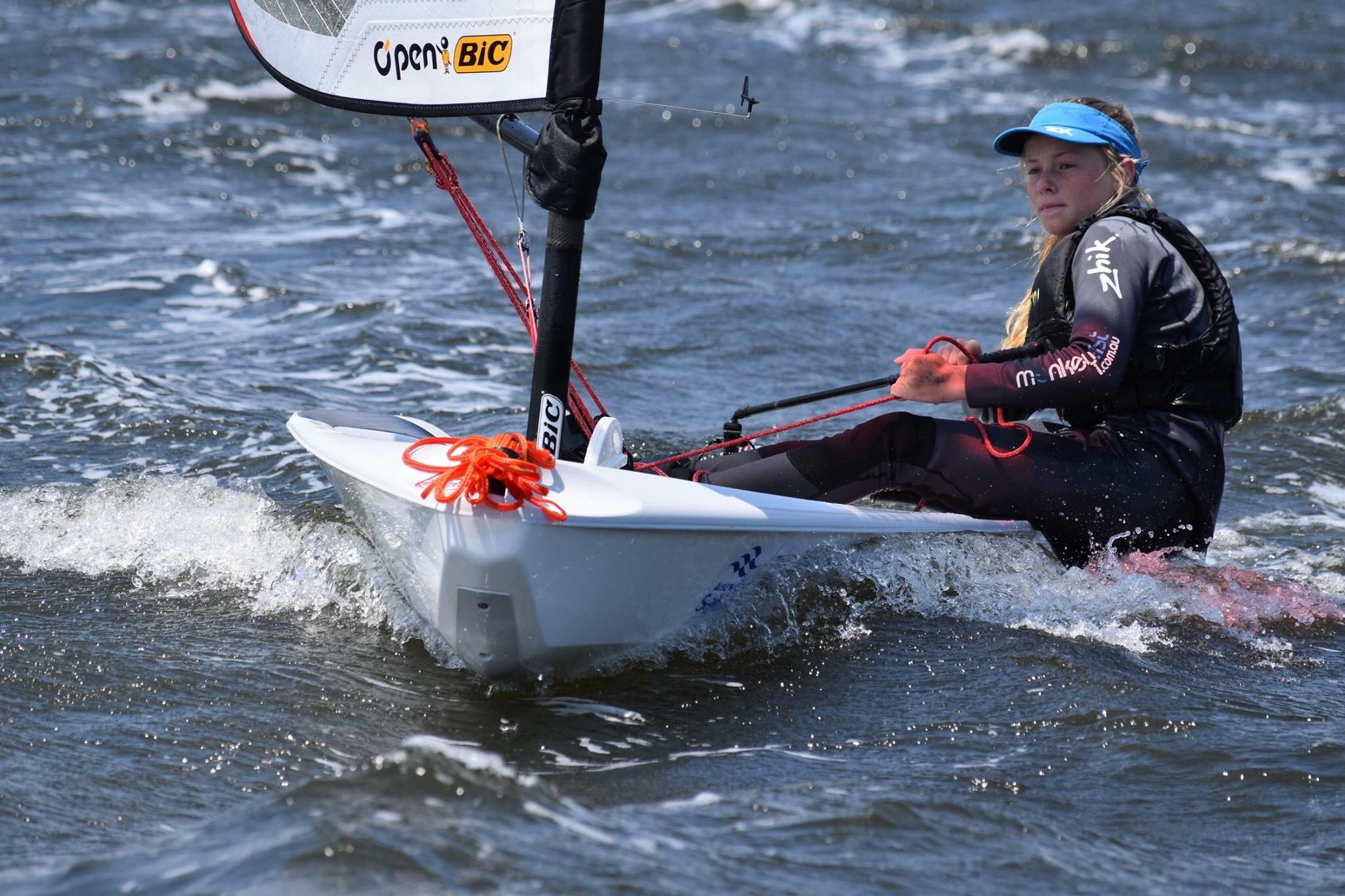
Heidi Bucktin likes to think of her family’s life as pre and post continuous glucose monitoring – that’s how markedly different the two periods are in their journey of living with a child with type 1 diabetes.
18 months of age infants receiving 10-valent pneumococcal Haemophilus influenzae protein D conjugate vaccine will have higher antibody levels
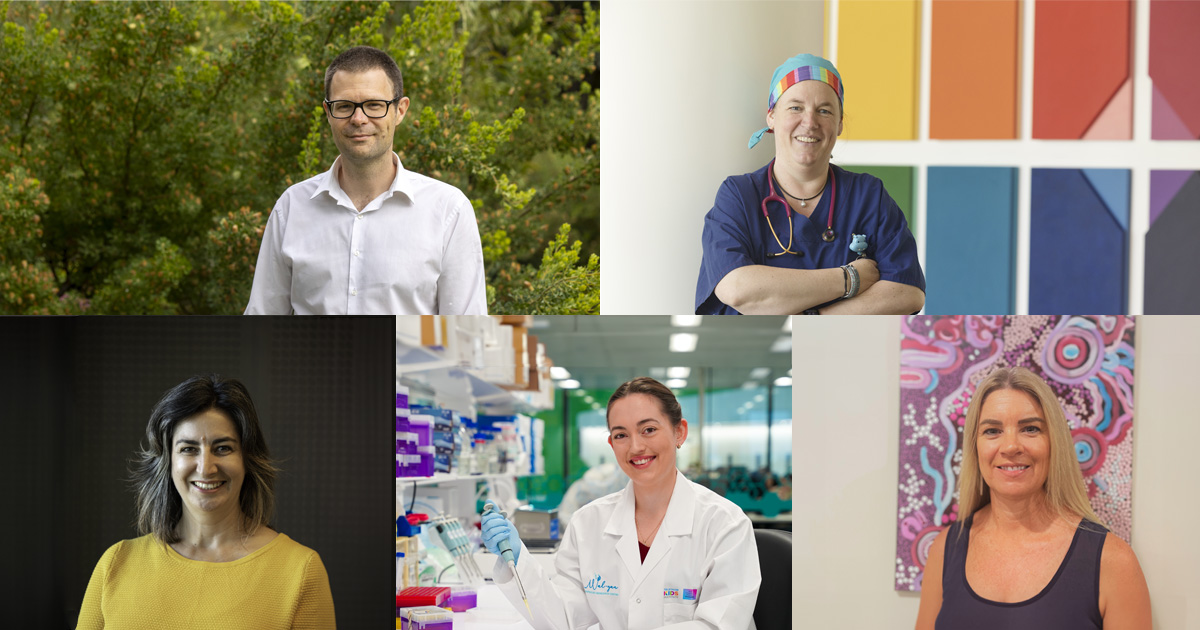
Five The Kids Research Institute Australia researchers working across diverse and highly impactful areas of child health research have been named as finalists for the 2023 Premier’s Science Awards.

IDEA is one of the few population-based resources in the world dedicated to intellectual disability. The IDEA database contains information on all children born in Western Australia since 1983 who have been identified with having an intellectual disability. Individuals with autism spectrum disorder, both with and without intellectual disability, are also included in the database. Deidentified information is accessed from the Department of Communities WA, the WA Department of Education, and the National Disability Insurance Agency (NDIA) to create the database. IDEA can be linked to other datasets to facilitate research into the determinants, outcomes and service needs of children and adults with intellectual disability. Researchers can apply for such linked data, available in a de-identified format under approval from an ethics committee.
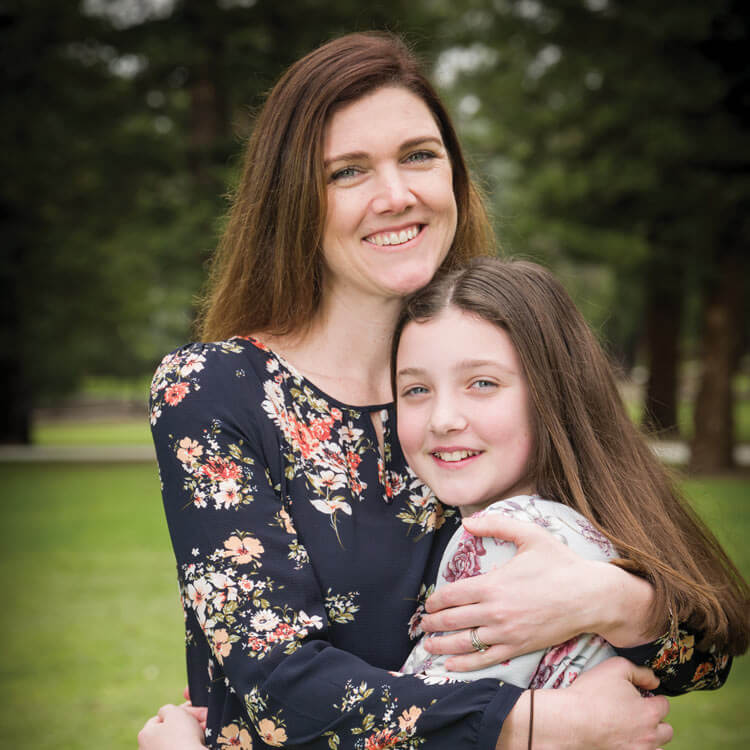
For the parent of a child living with diabetes, sleep no longer represents the relaxing slumber that it used to.
The Australian Rett Syndrome Study is based at The Kids Research Institute Australia located in Subiaco, Western Australia. This study was established in 1993.
With the help of clinicians and families who have children with Rett syndrome, our research aims to improve understanding of Rett syndrome.
There is an urgent need for scalable interventions to promote physical activity in early childhood. An early childhood education and care physical activity policy intervention with implementation support strategies (Play Active) has been proposed for scale-up in Australia.
Cancers in children are very different from cancers in adults - in most cases they appear to strike simply at random. They also develop differently and can spread more rapidly and aggressively. And because cancers in children are not obviously linked to their lifestyles, much work is needed to pinpoint their cause.
It is well recognized that genetic disease makes a significant contribution to childhood illness. Here, we present recent population data describing...