
Search
Showing results for "early life"
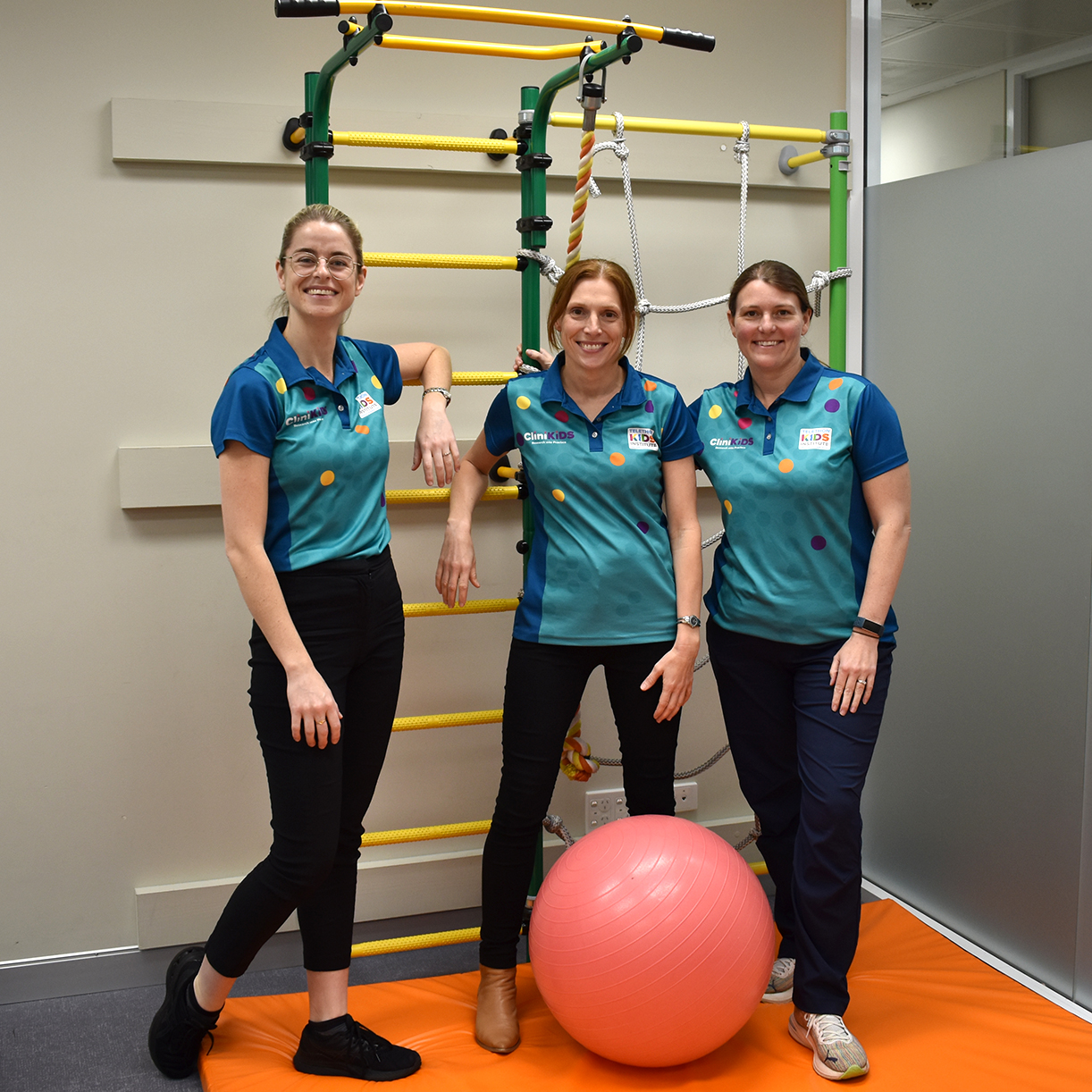
For Occupational Therapy Week, we asked our OTs to share their favourite resource and how they like to use it.
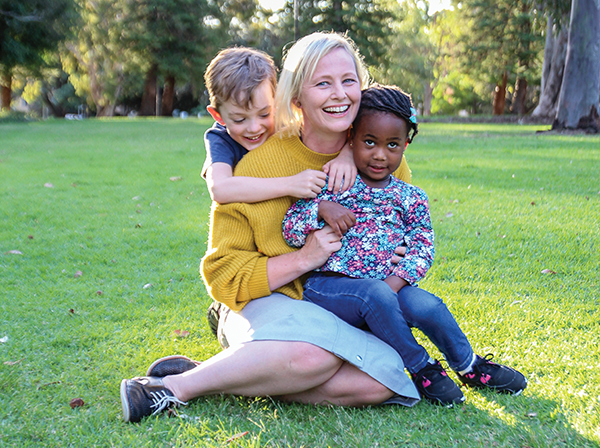
Each year, 11% (15 million) of the world’s babies are delivered before 37 weeks’ gestation.
The gut microbiome changes in response to a range of environmental conditions, life events and disease states. Pregnancy is a natural life event that involves major physiological adaptation yet studies of the microbiome in pregnancy are limited and their findings inconsistent. Pregnancy with type 1 diabetes (T1D) is associated with increased maternal and fetal risks but the gut microbiome in this context has not been characterized. By whole metagenome sequencing, we defined the taxonomic composition and function of the gut bacterial microbiome across 70 pregnancies, 36 in women with T1D.
This study demonstrates a critical timing of cigarette smoke exposure over the life course for establishing persistent changes in DNA methylation into adolescence
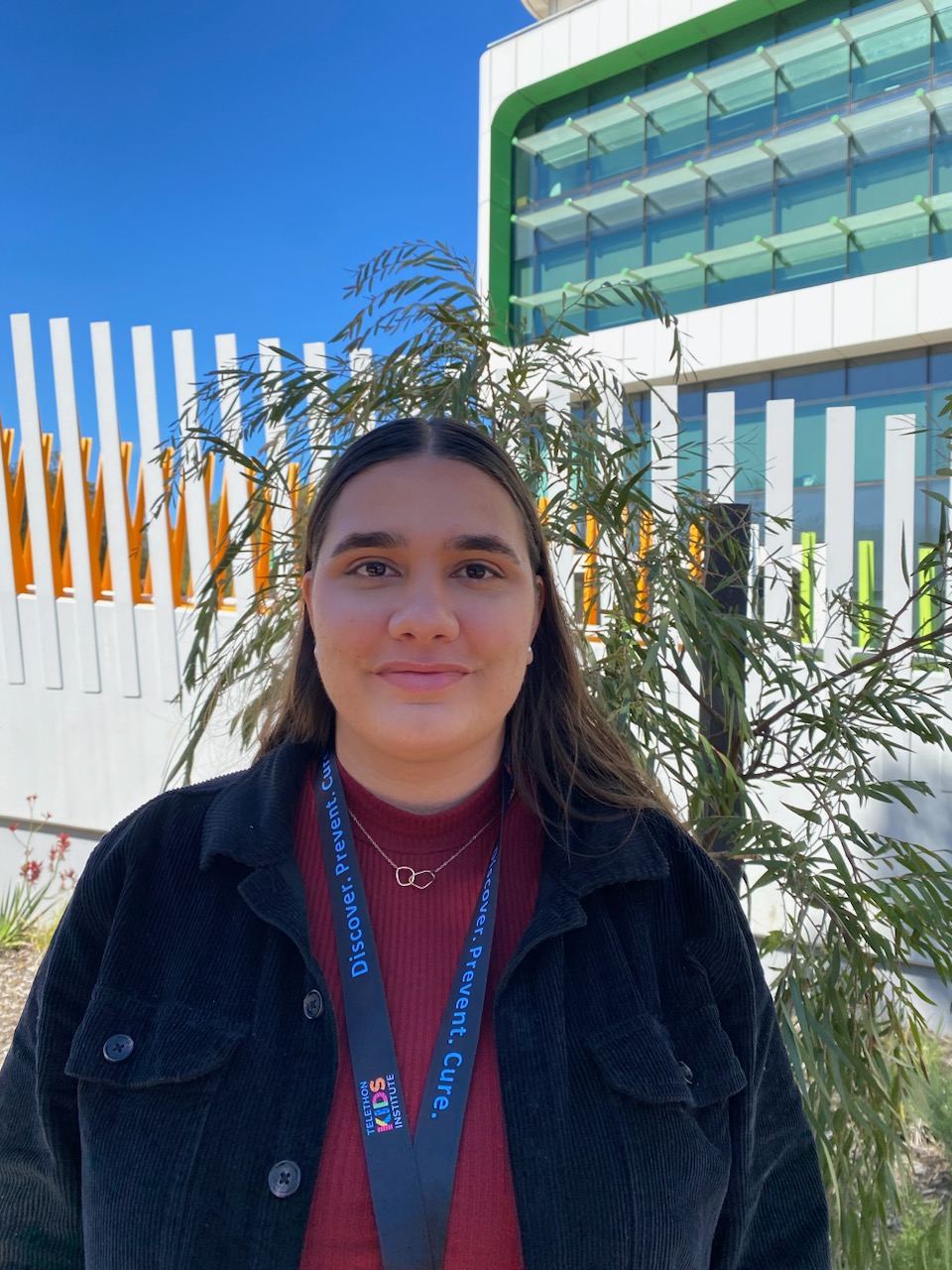
Bek Morrison is an Aboriginal Project Officer in the Healing Kids, Healing Families team at The Kids Research Institute Australia.
Find newsletters, guidelines, publications and videos in the one spot.
Investigators: Alanna Sincovich Project description: The Pacific Early Age Readiness and Learning (PEARL) Programme, implemented by the World Bank,
This study investigated whether exposure to high pregestational BMI (≥ 25 kg/m2) is associated with alterations in white matter microstructure in early childhood, explored sex-specific effects, and examined associations with cognitive performance.
Brain development during the preschool period is complex and extensive and underlies ongoing behavioral and cognitive maturation. Increasing understanding of typical brain maturation during this time is critical to early identification of atypical development and could inform treatments and interventions.
On this Research Impact page, we list stories helping demonstrate how we collaborate with other leaders, innovators, communities, and international stakeholders to ensure excellent research results. The better our results, the better the chances of research making a real difference.