
Search
Showing results for "early life"
Autosomal recessive hypophosphatemic rickets type 2 (ARHR2) and generalized arterial calcification of infancy (GACI) occur secondary to biallelic ectonucleotide pyrophosphate/phosphodiesterase 1 (ENPP1) loss-of-function pathogenic variants. GACI is a life-threatening condition, often presenting in the neonatal period with heart failure and hypertension, caused by calcification of the media in large- and medium-sized arteries.
Children with cerebral palsy face challenges in maintaining oral hygiene; data on their oral health practices and outcomes are limited.
Lateral violence, a group of behaviours directed towards people of the same group, is considered endemic among Aboriginal people. Behaviours include bullying, gossiping, isolation or exclusion of certain group members, and challenges to one’s Aboriginal identity. Lateral violence impacts all aspects of one’s life. Due to its pervasiveness, this qualitative study investigated strategies employed by Aboriginal people to deal with lateral violence.
The emerging literature on desistance (and recovery from addictions) has focused on key life-course transitions that can be characterised as the need for jobs (meaningful activities), friends (transitioning to pro-social) and houses (a home free from threat). The term ‘recovery capital’ is used to characterise personal, social and community resources an individual can draw upon to support their recovery, partly bridging agentic (personal) and structural (community) factors.
Lurasidone is a new second generation (atypical) antipsychotic agent with unique receptor affinity and side-effect profiles, but limited literature is available on its use in adolescent populations. Contrasting with research treatment trials which typically recruit patients by stringent selection criteria, this case series examined the effects and tolerability of using lurasidone in adolescents within real-life clinical settings in treating complex cases who had not responded to other therapy options. We conducted a retrospective case-note audit of 6 adolescents aged 14 to 17 years old attending community child and adolescent mental health services (CAMHS) who were prescribed lurasidone.
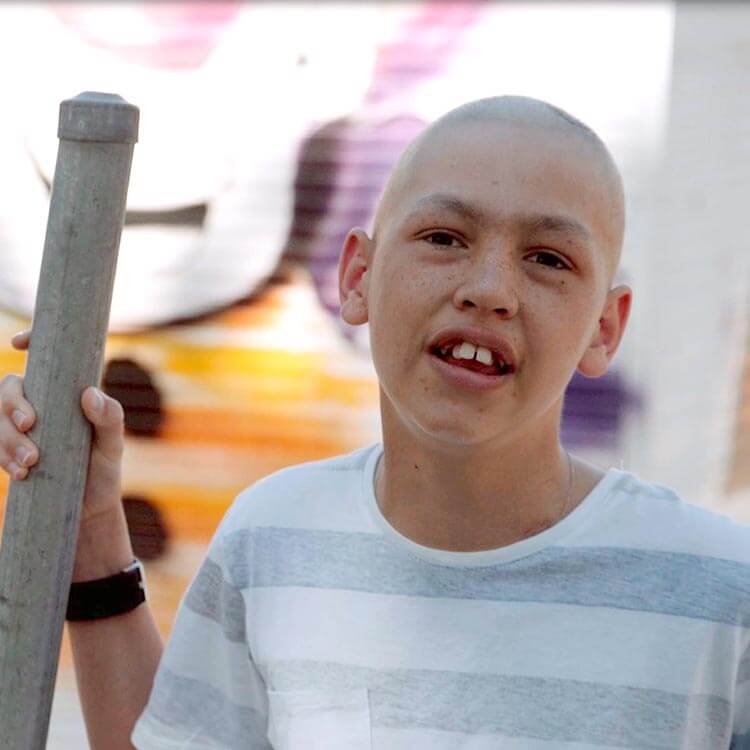
What would you discover to help a child? At The Kids, our researchers are committed to Cancer research that makes a real difference.
Few studies have explored associations between indexes incorporating both breastfeeding and complementary feeding and future risk of overweight/obesity. The aim of this study was to explore associations between a previously developed Infant Diet Score (IDS; higher score reflecting better alignment with breastfeeding and complementary feeding guidelines in the first year of life), and the risk of overweight and/or obesity in childhood.
To investigate the potential risk factors of respiratory illness (ethnicity, oral health, and eating and drinking ability) in children and young adults with cerebral palsy.
Mental health problems are common among university students, yet many students do not seek professional help. Digital mental health interventions can increase students' access to support and have been shown to be effective in preventing and treating mental health problems. However, little is known about the extent to which students implement therapeutic skills from these programs in everyday life (ie, skill enactment) or about the impact of skill enactment on outcomes.
Asthma during pregnancy is associated with a range of adverse perinatal outcomes. It is also linked to increased rates of neurodevelopmental conditions in the offspring. We aimed to assess whether fractional exhaled nitric oxide (FENO)-based asthma management during pregnancy improves child developmental and behavioural outcomes compared to usual care. The Breathing for Life Trial was a randomised controlled trial that compared FENO-based asthma management during pregnancy to usual care.