
Search
Showing results for "early life"

April Welsh lives life in top gear, literally. Diagnosed with T1D just before her 4th birthday, April became the first female to race in the Formula Vee
Despite the use of dual antiemetic agents, postoperative nausea and vomiting (PONV) occurs in an unacceptably large number of patients post-tonsillectomy. There has been increased interest in alternative and non-pharmacological treatments for PONV e.g., chewing gum. We investigated if chewing a large confectionary jelly snake had prophylactic antiemetic effects postoperatively in young children.
The aim of this study was to assess if MMP activation positively correlates with neutrophil elastase activity, disease severity and bronchiectasis in young...

A The Kids Research Institute Australia researcher whose PhD studies highlighted the link between screen time exposure and toddlers’ language development has been named a finalist in South Australia’s Science Excellence and Innovation Awards.
The neighbourhood physical environment has a weak but significant association with early childhood development
Early 7vPCV schedules have limited impact on pneumococcal vaccine type carriage in PNG
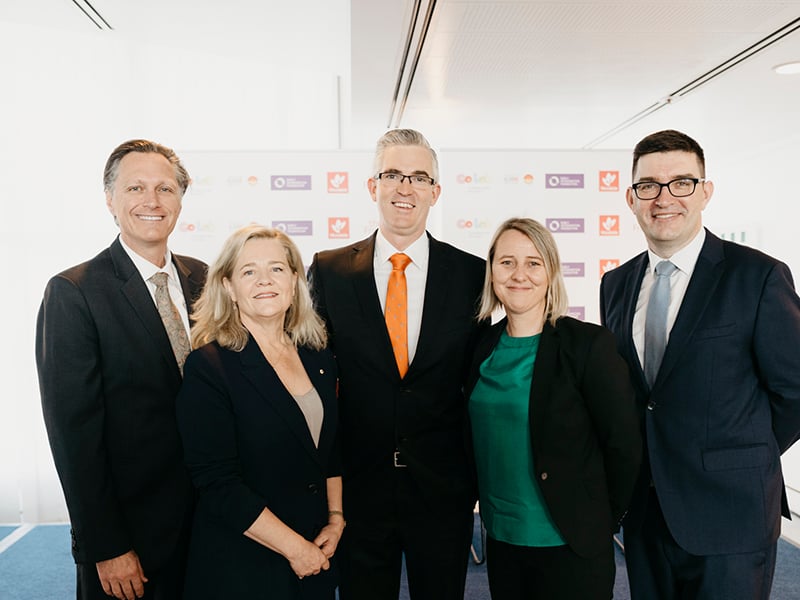
The first major national study into the cost of providing late intervention services to children and young people has called for smarter and wiser expenditure to ensure children receive vital support services at a much earlier stage.
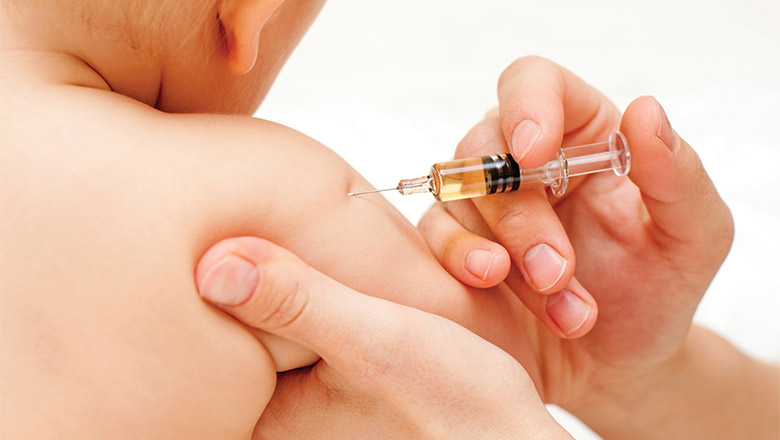
Parents of babies in Perth and Adelaide are being urged to take part in a landmark study to examine the best ways to keep their child safe from influenza this winter, amid a surge in serious infections.
Play Active is a national, low-cost, evidence-based program to boost energetic play in early childhood education and care. It offers free professional development for educators.
Findings from longitudinal research, globally, repeatedly emphasise the importance of a taking an early life course approach to mental health promotion; one that invests in the formative years of development, from early childhood to young adulthood, just prior to the transition to parenthood for most. While population monitoring systems have been developed for this period, they are typically designed for use within discrete stages.