
Search
Showing results for "early life"
The mental health and wellbeing of young people has important consequences for students and society. Schools are a logical environment for management and early intervention of wellbeing, mental health and engagement with school. Interventions aimed at improving mental health and wellbeing in education systems requires knowledge of how wellbeing is clustered at a school level. Cluster-randomised trials, and regression analyses of such data also require knowledge of clustering.
The early years are critical for lifelong wellbeing, with transition to formal school a key period for development. For Indigenous children, this transition provides opportunities to build on cultural strengths and belonging. However, many children face systemic barriers that impact their transition experiences, highlighting a need for culturally safe programs that support Indigenous families during this significant time.
Childhood is a critical period for the development of movement behaviours such as physical activity, sleep and sedentary behaviour. The PLAYCE Cohort was established to investigate how movement behaviours change over early to middle childhood, across key behaviour settings and relationships with health and development. An overview of the PLAYCE cohort, summary of key findings to date, and future research opportunities are presented.
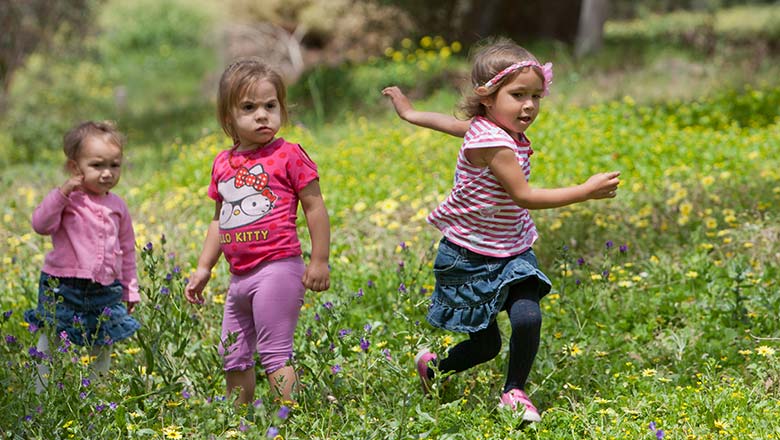
10 years of work guided by The Kids Research Institute Australia has resulted in huge improvements in the development of Aboriginal children at the start of school.
In adolescents with type 1 diabetes, the group with the highest tertile of albumin excretion showed more evidence of early renal and CV disease
This review focuses on the scientific rationale for early intervention aimed at asthma prophylaxis and discusses therapeutic approaches
Improved nutrition is the major proven benefit of newborn screening programmes for cystic fibrosis (CF) and is associated with better clinical outcomes.
Extremely preterm infant survival has significantly improved with advanced neonatal care; however outcomes of infants born with birth weight ≤500 g remain poor. We aimed to review outcomes of this cohort in our Institution.
Early childhood is a critical window for preventing obesity and chronic disease. Yet, 1 in 4 Australian children aged 5 years and under are affected by overweight or obesity; and significant proportions of children under 5 years fail to meet guidelines for diet quality, physical activity (PA), screen time, and sleep.

Maheshwar Bhasin, PhD Student, Centre for Immunology and breastfeeding