
Search
Showing results for "early life"
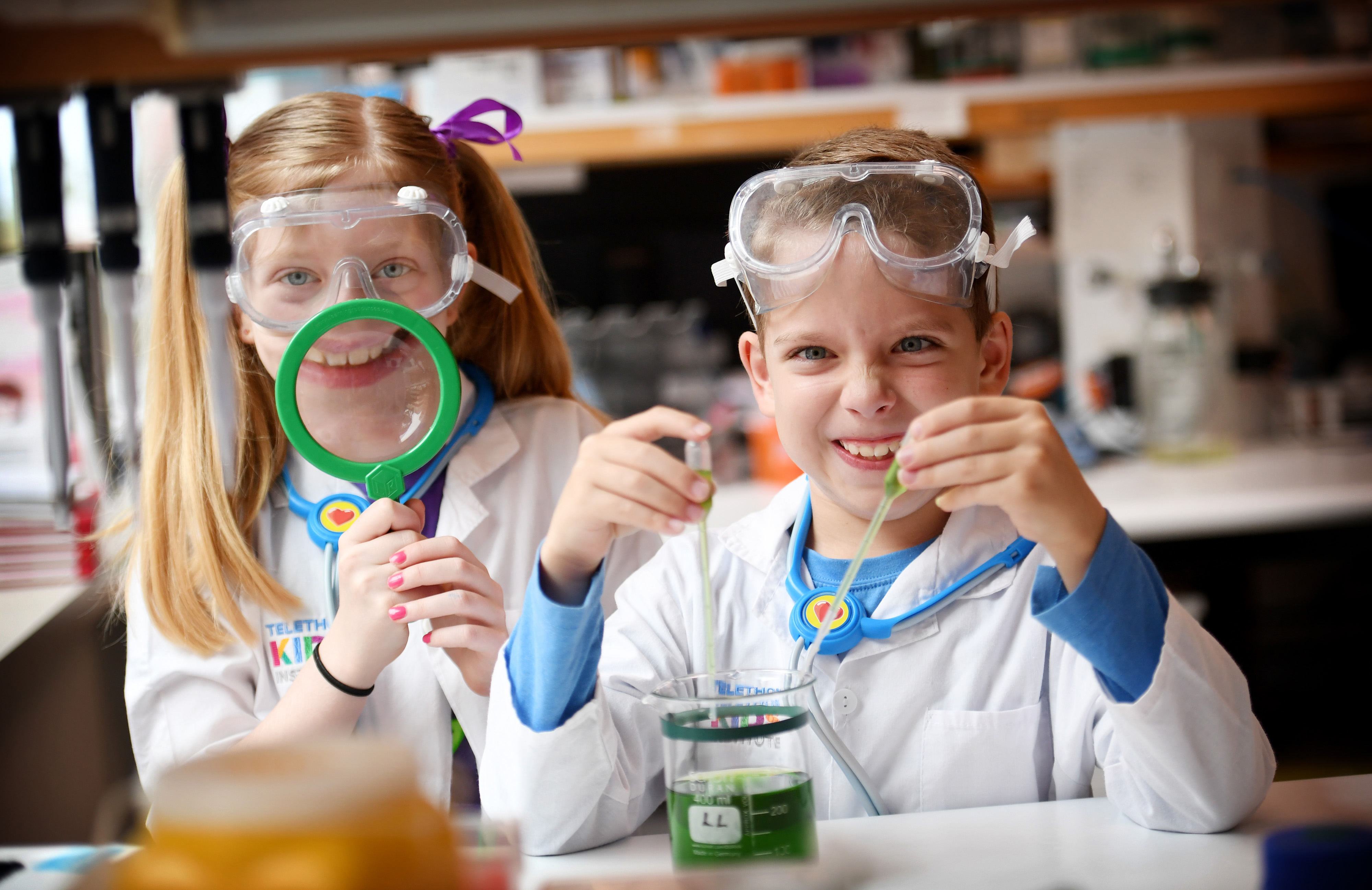
The Kids Research Institute Australia’s Discover Day is on again and this year it’s bigger and better than ever.

The period of transition between paediatric (child) services and adult-based services is a sensitive one for patients with diabetes.
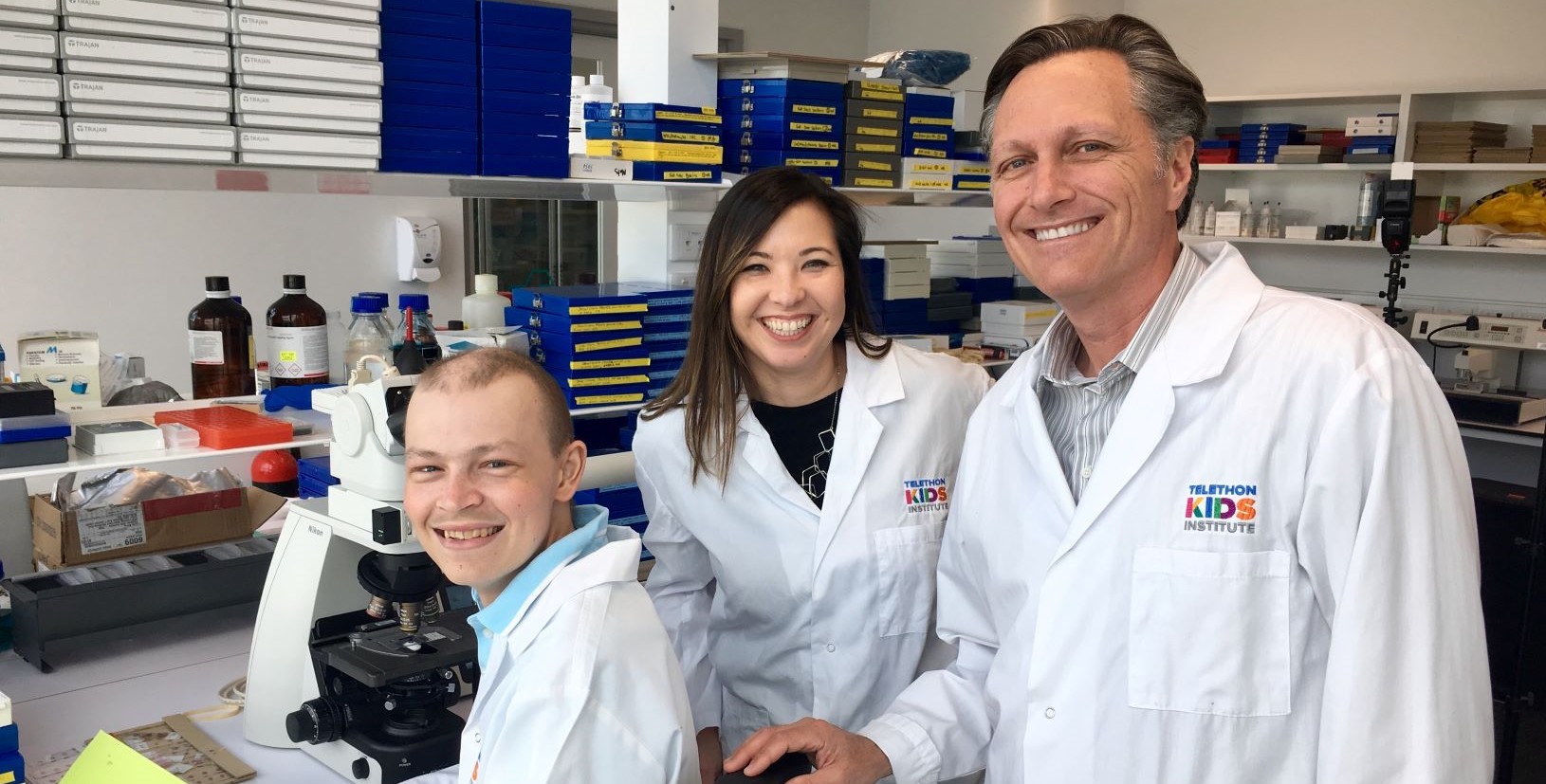
An international clinical trial led by The Kids Research Institute Australia Cancer Centre is trialling a drug which could increase cure rates for aggressive forms of childhood brain cancer.
Peanut allergy is the most common childhood-onset, persistent food allergy. Peanut oral immunotherapy (OIT) is a potential treatment, but few studies prospectively examine the outcome of peanut OIT in young children using parent-measured doses compared to standard care (peanut avoidance).
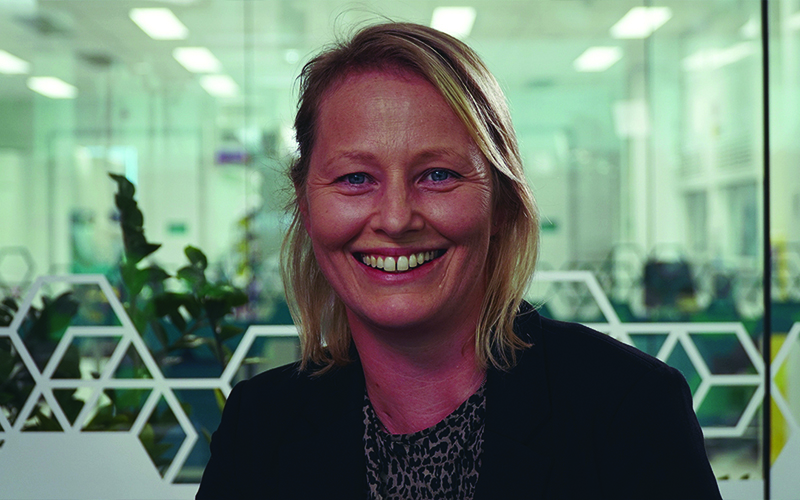
The world’s leading preterm scientists and doctors have joined forces to help give babies born very prematurely, the best possible life.
Common mental disorders: missed opportunity for smoking prevention and cessation
While the majority of Aboriginal and Torres Strait Islander children are travelling on track or exceeding across all developmental domains...
We found no evidence of gender-specific effects for the outcomes of academic achievement, educational expectations or educational attainment in adulthood.
To compare the nature & prevalence of mental health problems, prevalence of suicidal ideation & behaviour, & health-related quality of life of 13-17-year-olds..
Cereal foods are consumed globally and are important sources of polyphenols with potential health benefits, yet dietary intakes are unclear. We aimed to calculate the dietary intakes of polyphenols from cereal foods in the Melbourne Collaborative Cohort Study, and describe intakes by demographic and lifestyle factors.