
Search

Coconut oil has been used on premature babies to help fight off deadly infections. Researchers are now hoping to prove it is effective for other conditions as well.
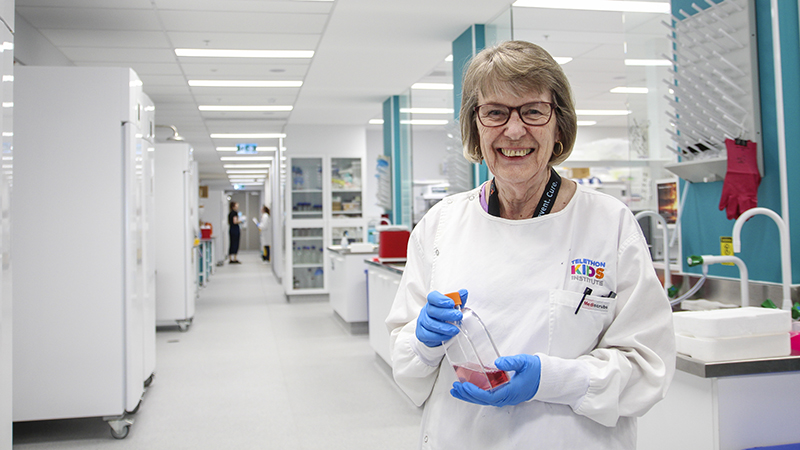
The Institute farewelled one of its most treasured employees this year, as The Kids Cancer Centre research officer Jette Ford closed the door on a quietly stellar 37-year career which has helped to change the face of cancer research in WA and around the world.
Autism researchers at The Kids have led the most comprehensive review of the evidence for autism intervention ever compiled
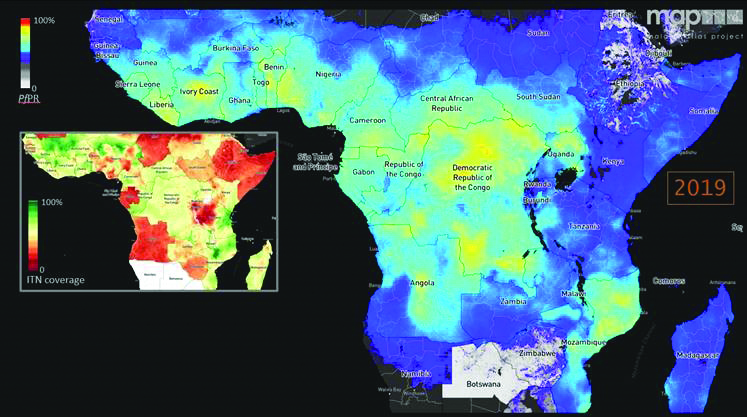
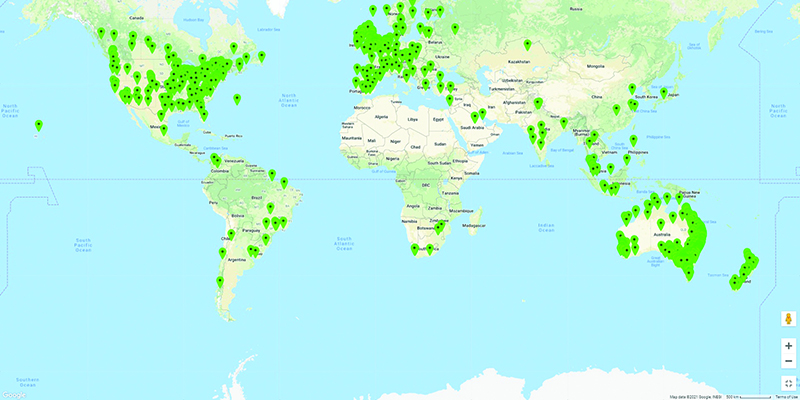
A global network of researchers led by Kerry M Stokes Chair of Child Health, Professor Pete Gething, is working to help support informed decision-making for malaria control at international, regional and national scales.
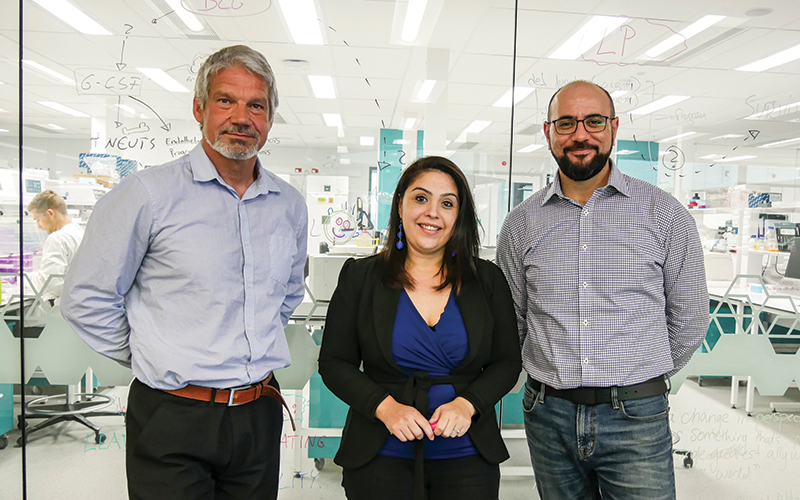
Running any research project is a feat of logistical gymnastics – and often, you don’t know what can go wrong until it happens.
Findings from the Banksia Hill Project revealed 89% of young people in detention who were assessed as part of the project had at least one form of severe neurodevelopmental impairment.
Middle ear infections are one of the main reasons that children visit a GP, are prescribed antibiotics and need surgery. Aboriginal children are particularly susceptible and commonly suffer from hearing loss which can affect speech and learning.
To describe the infant and maternal characteristics of the Early Moves cohort and to assess representativeness to the general population, and to evaluate the implementation fidelity of an application-based collection of General Movement Assessment (GMA) videos at writhing and fidgety age.
Aboriginal children and families contend with higher rates of preventable infectious diseases that can be attributed to their immediate living environment. The environments in which children spend most of their time are their homes and schools. We aimed to understand the opportunities in the school setting to support student skin health and wellbeing through environmental health activities, how these activities were completed, and the barriers to their implementation.
Current immunization guidelines recommend one dose of influenza vaccine for children aged ≥9 years and two doses for younger or vaccine-naïve children. However, children receiving chemotherapy have an attenuated immune response. We performed a prospective open-label study in children undergoing treatment for cancer at Perth Children's Hospital, Western Australia, to examine the safety and efficacy of a boosted influenza schedule.