
Search
Showing results for "early life"
Previous research has demonstrated wellbeing benefits for positive education programmes (PEPs) facilitated by clinicians or experts or outside the school context. The current study explored the effects of a Year 10 PEP led by teachers trained in positive education and embedded within the Australian secondary school context.
Tobias Strunk MD, PhD, FRACP Head, Neonatal Health tobias.strunk@thekids.org.au Head, Neonatal Health Clinical Professor Tobias Strunk is a

Research Officer
Research Assistant
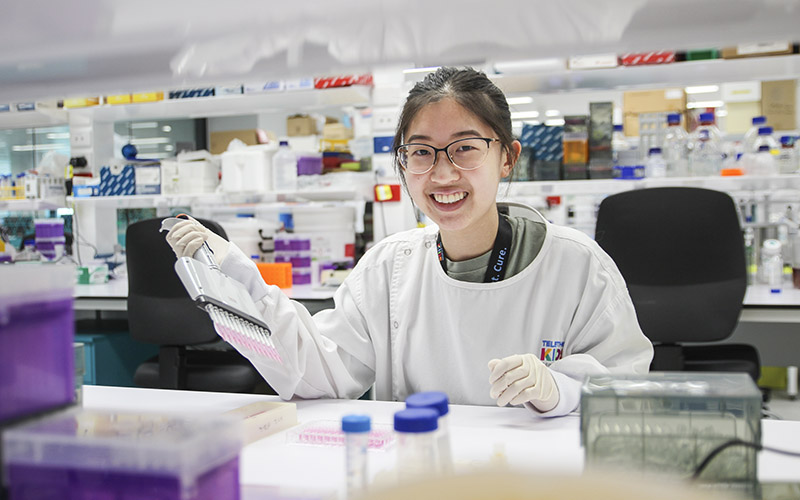
We encourage students to apply for scholarships to support their studies. Applications for non-university scholarships can be made through the Institute.
Welcome to the home of Giving at The Kids, where you are valued for your generous gifts that help kids be healthy and happy.
Nirsevimab is an extended half-life monoclonal antibody to the respiratory syncytial virus (RSV) fusion protein that has been developed to protect infants for an entire RSV season. Previous studies have shown that the nirsevimab binding site is highly conserved. However, investigations of the geotemporal evolution of potential escape variants in recent (ie, 2015–2021) RSV seasons have been minimal.
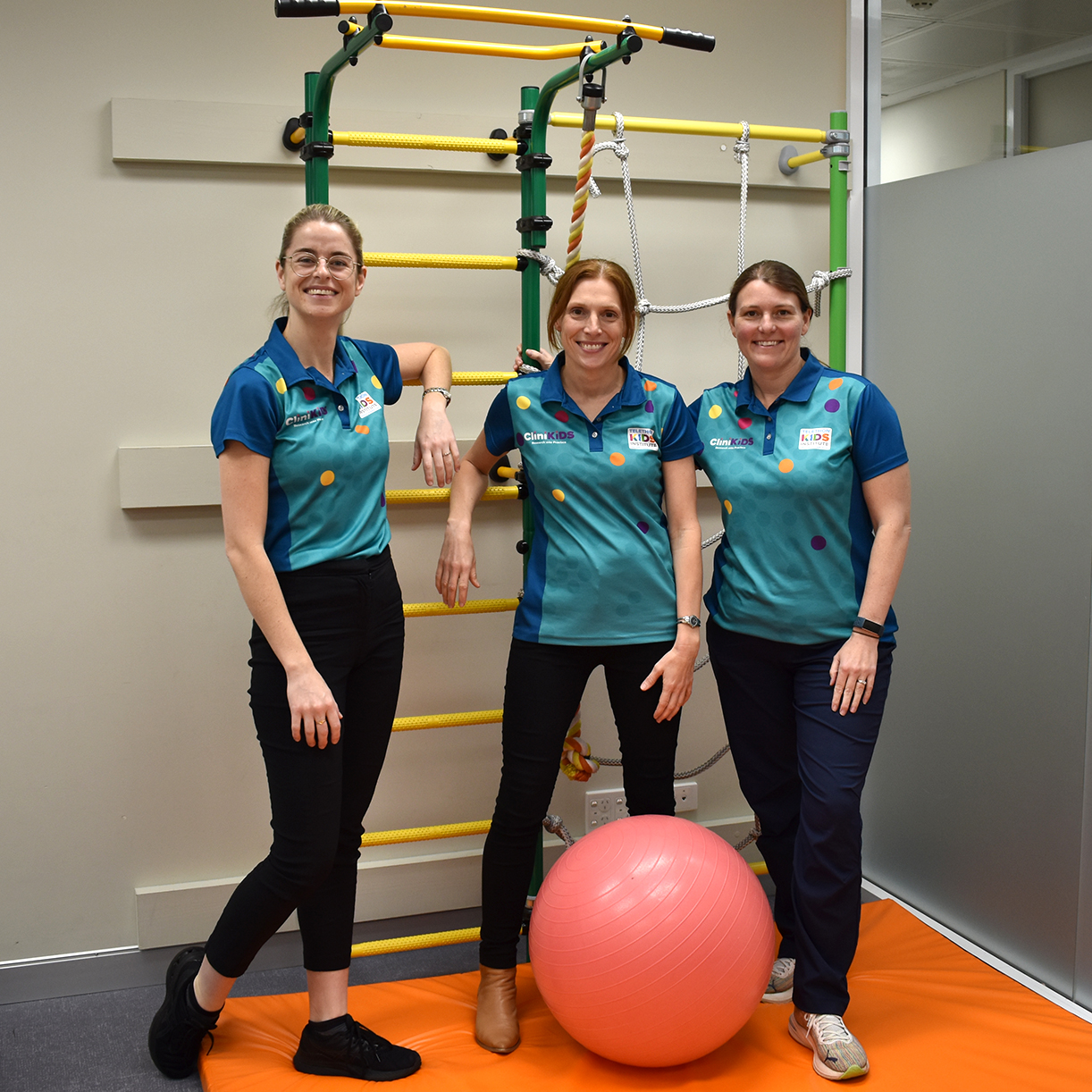
To celebrate World Occupational Therapy (OT) day, we asked our Occupational Therapists to describe what OT means to them.
Strengthening the capacity of Aboriginal children, families and communities
Vigilant Attention (VA), defined as the ability to maintain attention to cognitively unchallenging activities over a prolonged period of time, is critical to support higher cognitive functions and many behaviours in our everyday life. Evidence has shown that VA rapidly improves throughout childhood and adolescence until young adulthood and tends to decline in older adulthood.