
Search
Showing results for "early life"
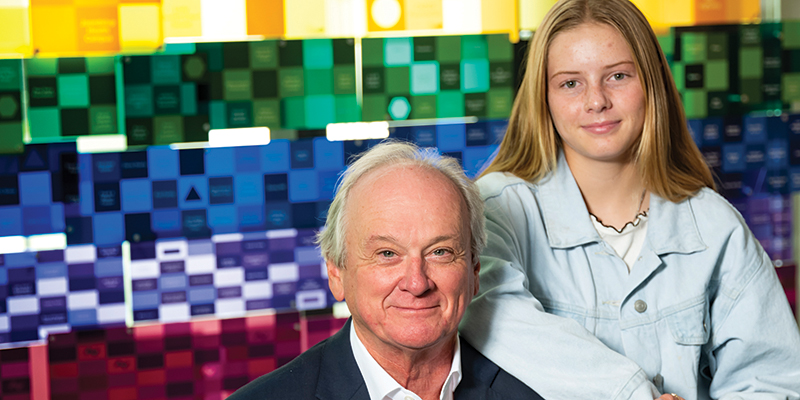
Recent diabetes technology is helping 12-year-old Drina keep on top of her condition and be independent, while significantly easing the disease burden on her family.
A student’s learning potential is limited if they do not attend school regularly.
The Kids Research Institute Australia's Human Capability Team has been asked by the Commonwealth Department of Education, Skills and Employment (DESE) to prepare a methodology and project plan to conduct a nationally-representative survey of bullying prevalence among children and young people in Years 4–10.
Find out about the research outputs for the Development Pathways Project, and see the published research outcomes.
The aim of this paper was to estimate the degree to which smoke-free facilities may facilitate smoking cessation in smokers with mental illness by estimating...
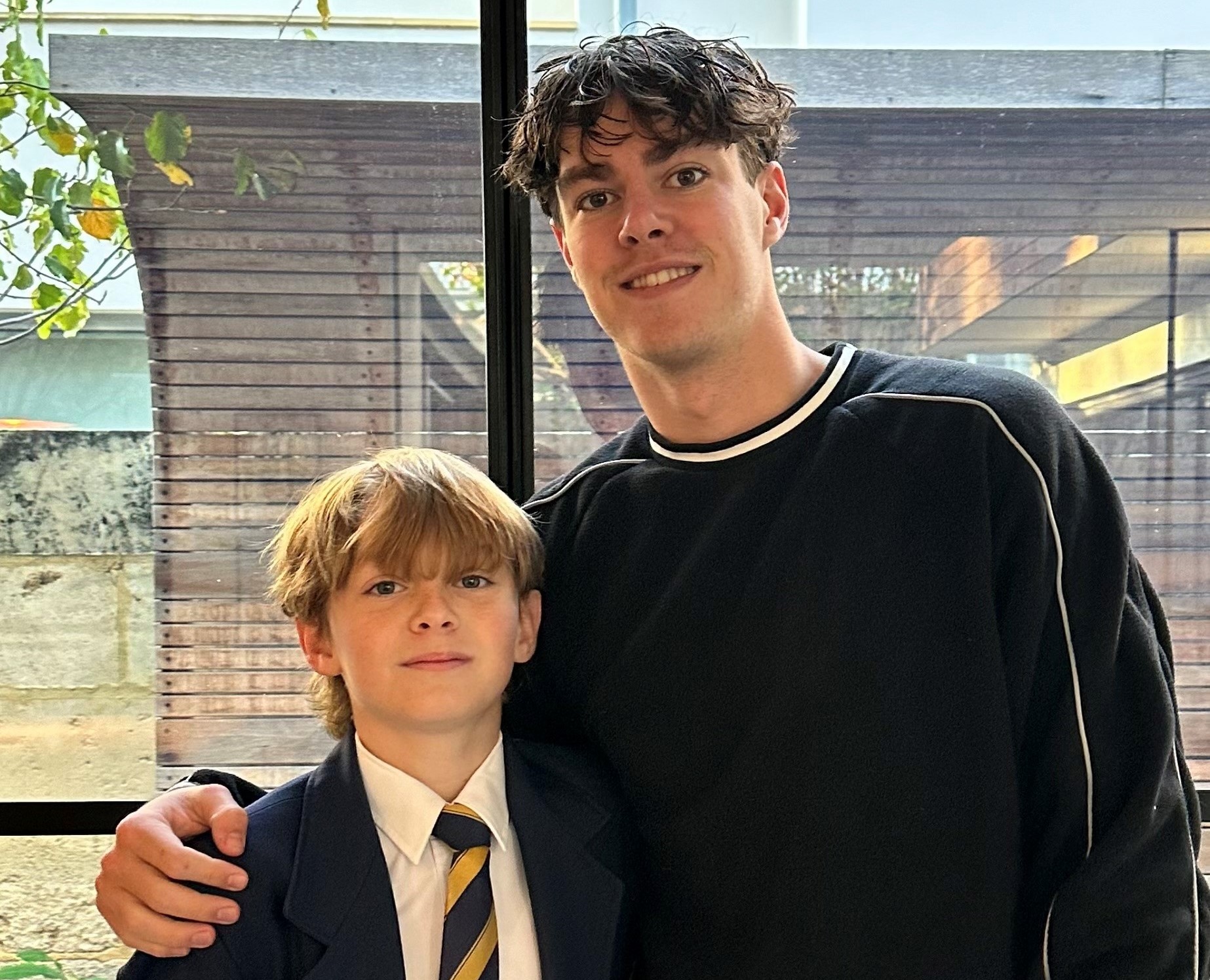
We spoke to Oscar and asked him to share his story about the challenges he faces when trying to support his brother, joining the Centre as a student and what T1D research means to him, his brother and his family.
Public health weight-loss interventions seem to be based on an outdated understanding of the science.
This study aims to examine the experience of multiple disadvantages in two generations of Australian families, and how these experiences relate to the trajectories of children, the third generation.
This project aims to explore the impacts of unfavourable climatic conditions on children and families.

Predicting disease progression in cystic fibrosis ABSTRACT Introduction: Progressive lung disease is the major cause of morbidity and mortality in