
Search
Showing results for "early life"
This study aims to examine the experience of multiple disadvantages in two generations of Australian families, and how these experiences relate to the trajectories of children, the third generation.
This project aims to explore the impacts of unfavourable climatic conditions on children and families.
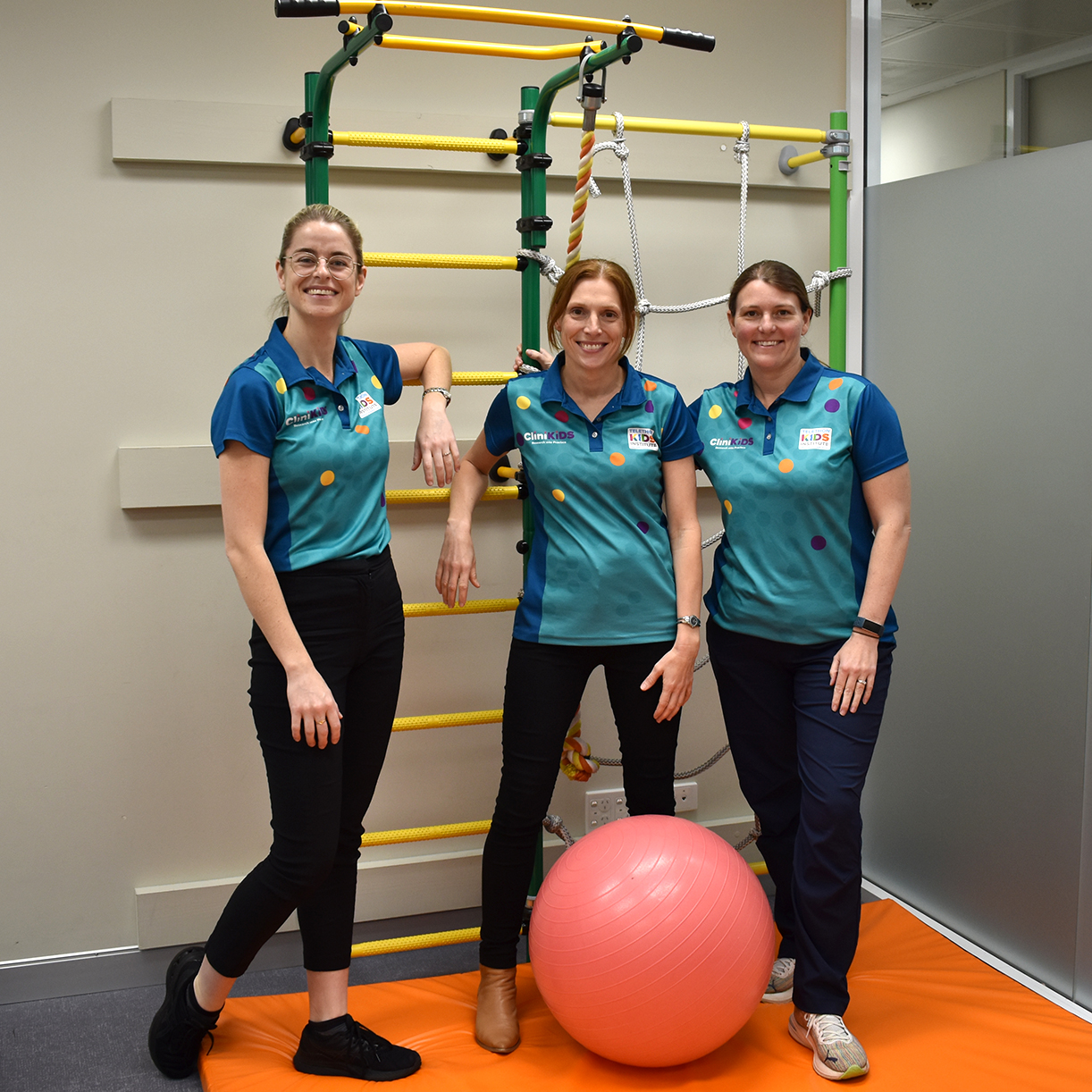
To celebrate World Occupational Therapy (OT) day, we asked our Occupational Therapists to describe what OT means to them.
This letter congratulates Mulraney et al. regarding their paper on disruptive mood dysregulation disorder in children with ADHD.
Nirsevimab is an extended half-life monoclonal antibody to the respiratory syncytial virus (RSV) fusion protein that has been developed to protect infants for an entire RSV season. Previous studies have shown that the nirsevimab binding site is highly conserved. However, investigations of the geotemporal evolution of potential escape variants in recent (ie, 2015–2021) RSV seasons have been minimal.
Strengthening the capacity of Aboriginal children, families and communities
Our researchers are always looking for people to take part in a range of real-life research projects. You can contribute to research that could change lives.
The rate of non-compliance with vitamin D supplementation is as high as 45%. This is why randomised controlled trials are needed to analyse the response...
The health of Australia's children depends on a firm national commitment to implement the comprehensive strategy outlined by the Preventative Health Taskforce.
Vigilant Attention (VA), defined as the ability to maintain attention to cognitively unchallenging activities over a prolonged period of time, is critical to support higher cognitive functions and many behaviours in our everyday life. Evidence has shown that VA rapidly improves throughout childhood and adolescence until young adulthood and tends to decline in older adulthood.