
Search
Showing results for "early life"
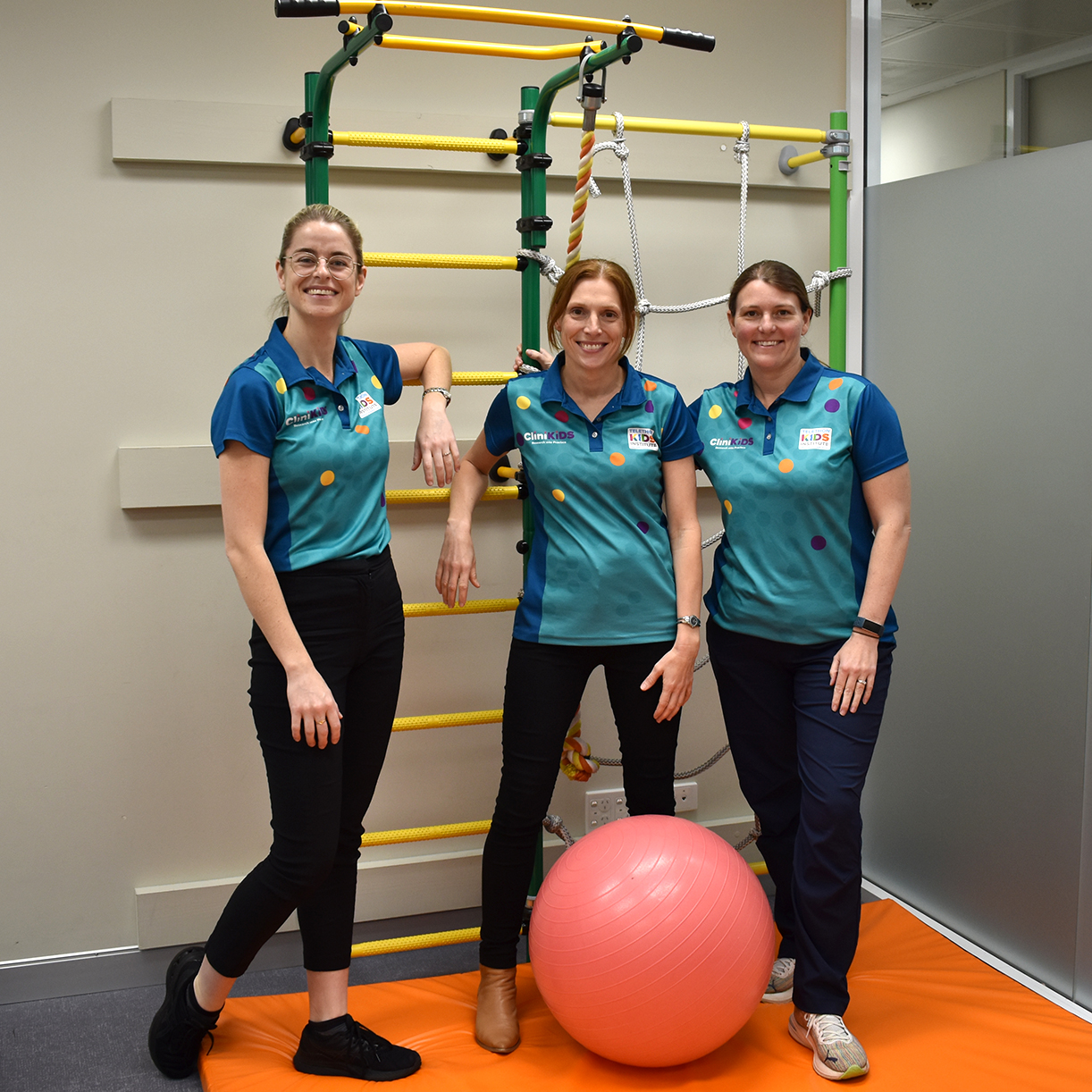
To celebrate World Occupational Therapy (OT) day, we asked our Occupational Therapists to describe what OT means to them.
Public health weight-loss interventions seem to be based on an outdated understanding of the science.
The aim of this paper was to estimate the degree to which smoke-free facilities may facilitate smoking cessation in smokers with mental illness by estimating...
This project aims to explore the impacts of unfavourable climatic conditions on children and families.
This study aims to examine the experience of multiple disadvantages in two generations of Australian families, and how these experiences relate to the trajectories of children, the third generation.
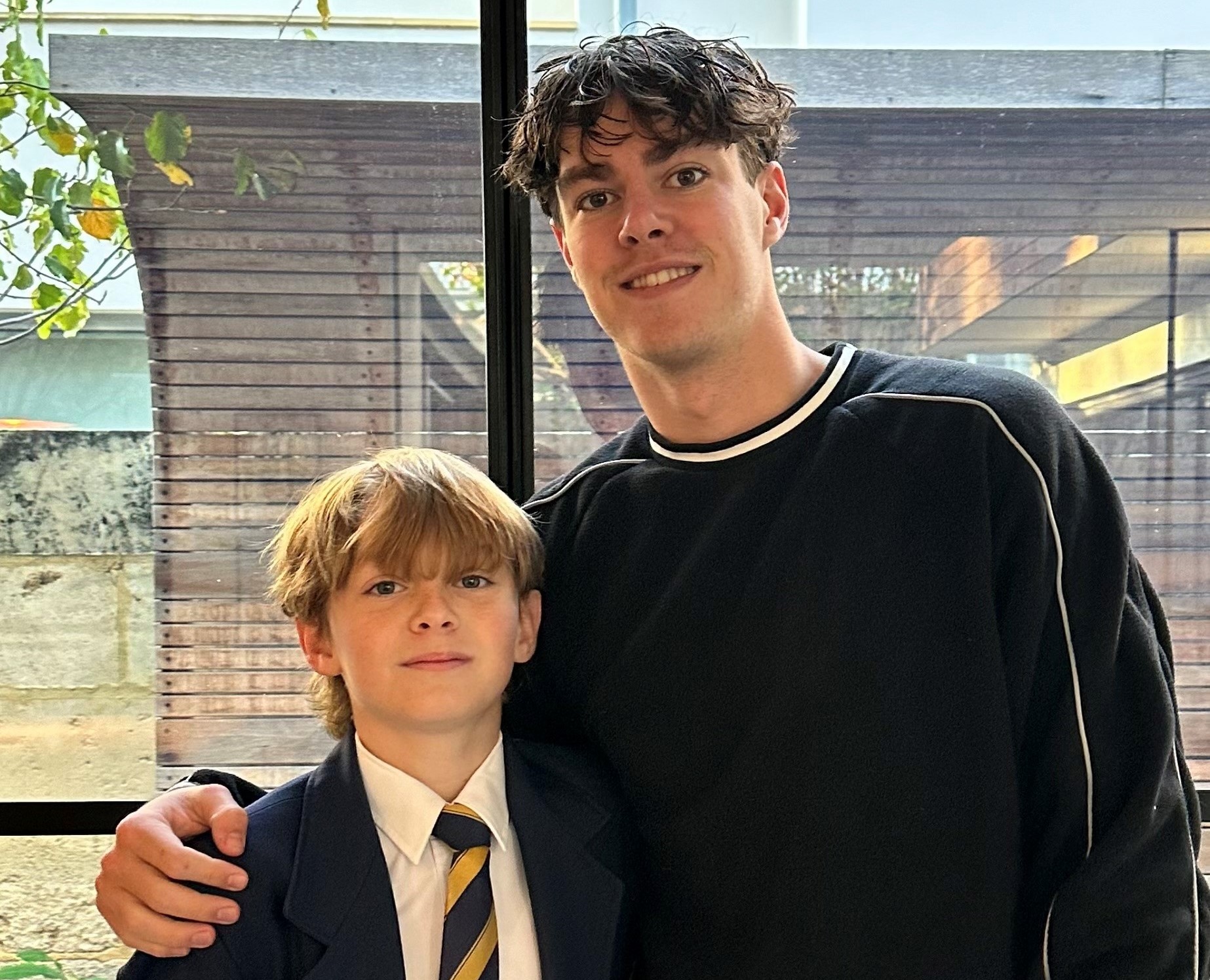
We spoke to Oscar and asked him to share his story about the challenges he faces when trying to support his brother, joining the Centre as a student and what T1D research means to him, his brother and his family.
In this study, the Australian Early Development Census scores of 19,203 children were linked to information on child maltreatment allegations.
Tasmania's Child and Family Centres are having a positive impact on parent's use and experiences of services and supports for young children
The rapid increase in the number of children diagnosed with autism spectrum disorders (ASD) in Western Australia reflects changes to diagnostic practices
Globally, nearly 9 million people are living with type 1 diabetes (T1D). Although the incidence of T1D is not affected by socioeconomic status, the development of complications and limited access to modern therapy is overrepresented in vulnerable populations. Diabetes technology, specifically continuous glucose monitoring and automated insulin delivery systems, are considered the gold standard for management of T1D, yet access to these technologies varies widely across countries and regions, and varies widely even within high-income countries.