
Search
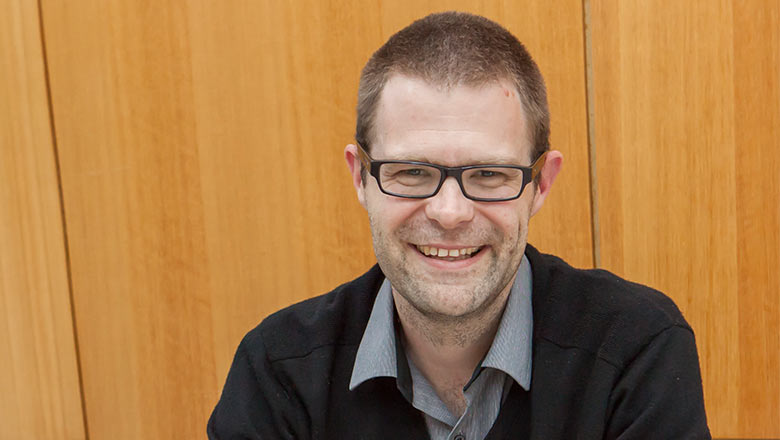
Andrew Whitehouse has been listed in the WA Business News 40 under 40 awards recognising accomplished and dynamic young leaders in Western Australia.
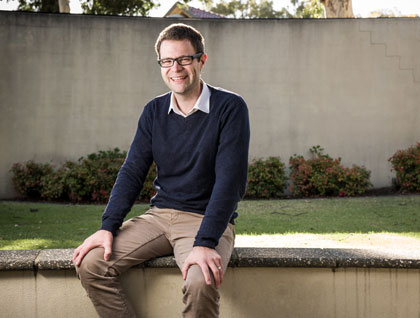
Clinicians across Australia are looking forward to the release of the country’s first national guidelines for the diagnosis of autism.
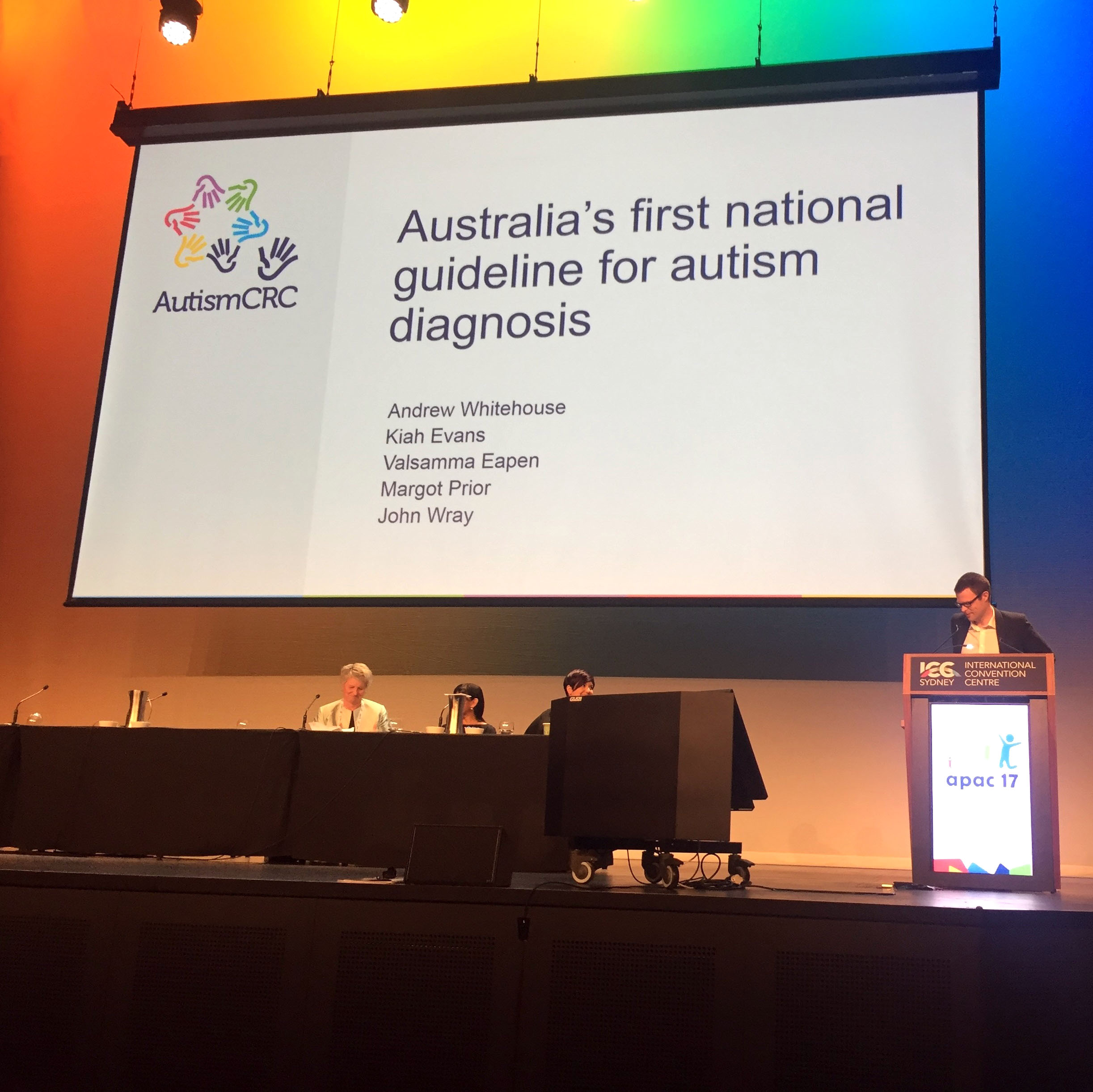
Australia’s first draft national guideline for autism diagnosis has today been released for public consultation.
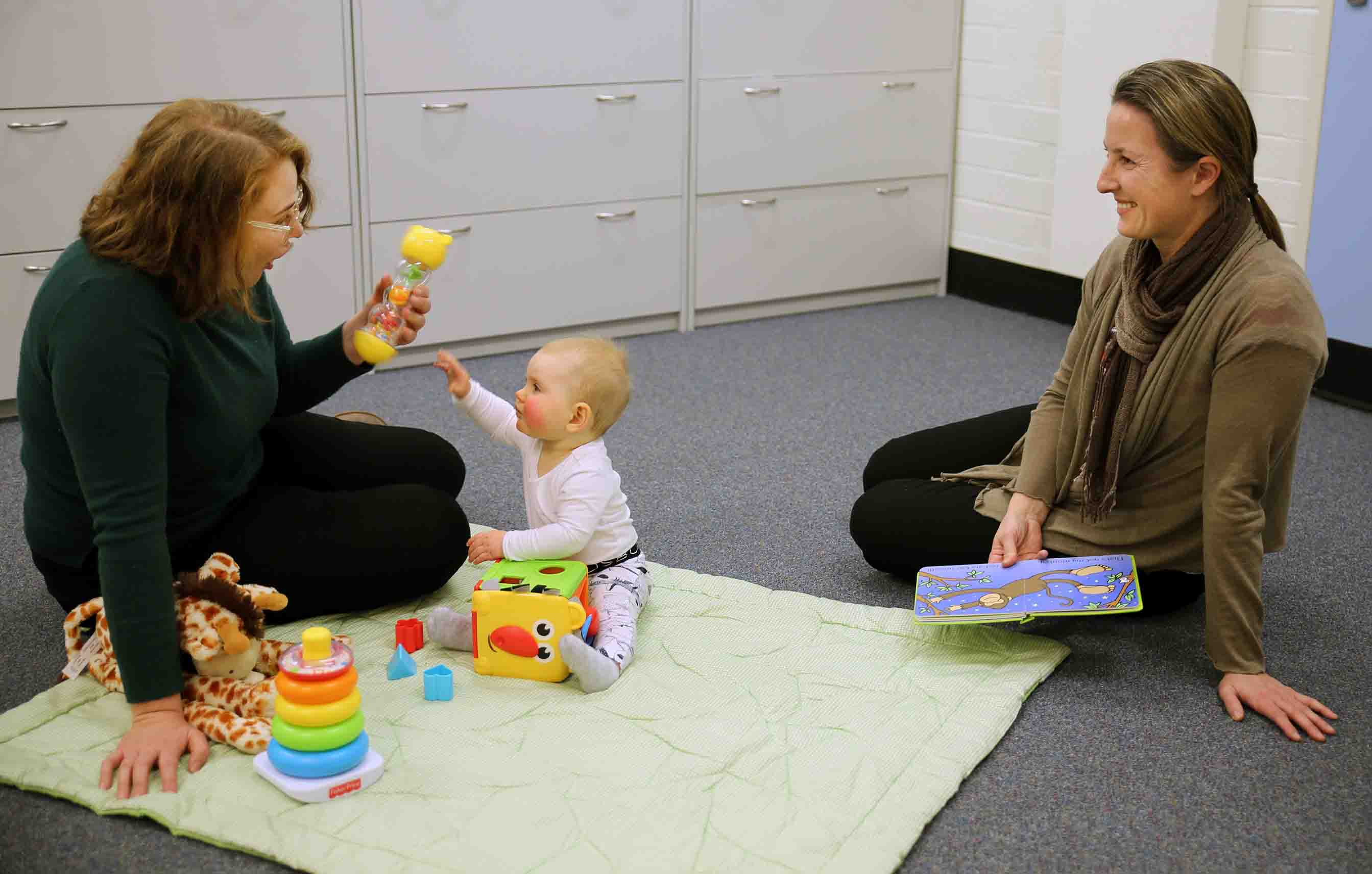
The first rigorous trial of a pre-emptive behavioural intervention for babies showing early signs of autism has found the therapy can improve early language development.
Hormone levels in the womb may determine how masculine or feminine your facial features are as an adult, The Kids Research Institute Australia researchers have found.
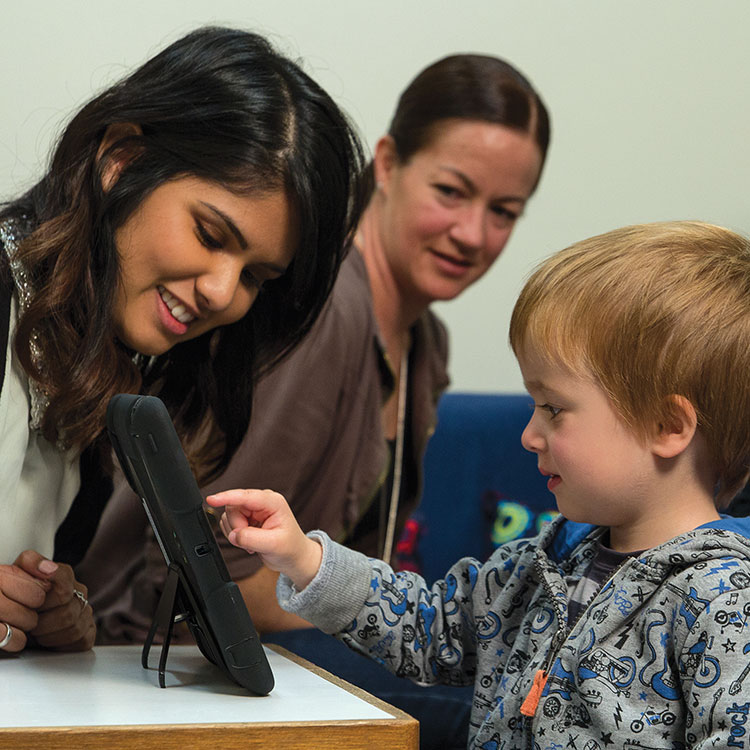
A The Kids Research Institute Australia study has shown that in addition to intervention with trained therapists, children with autism may benefit from app-based therapies.
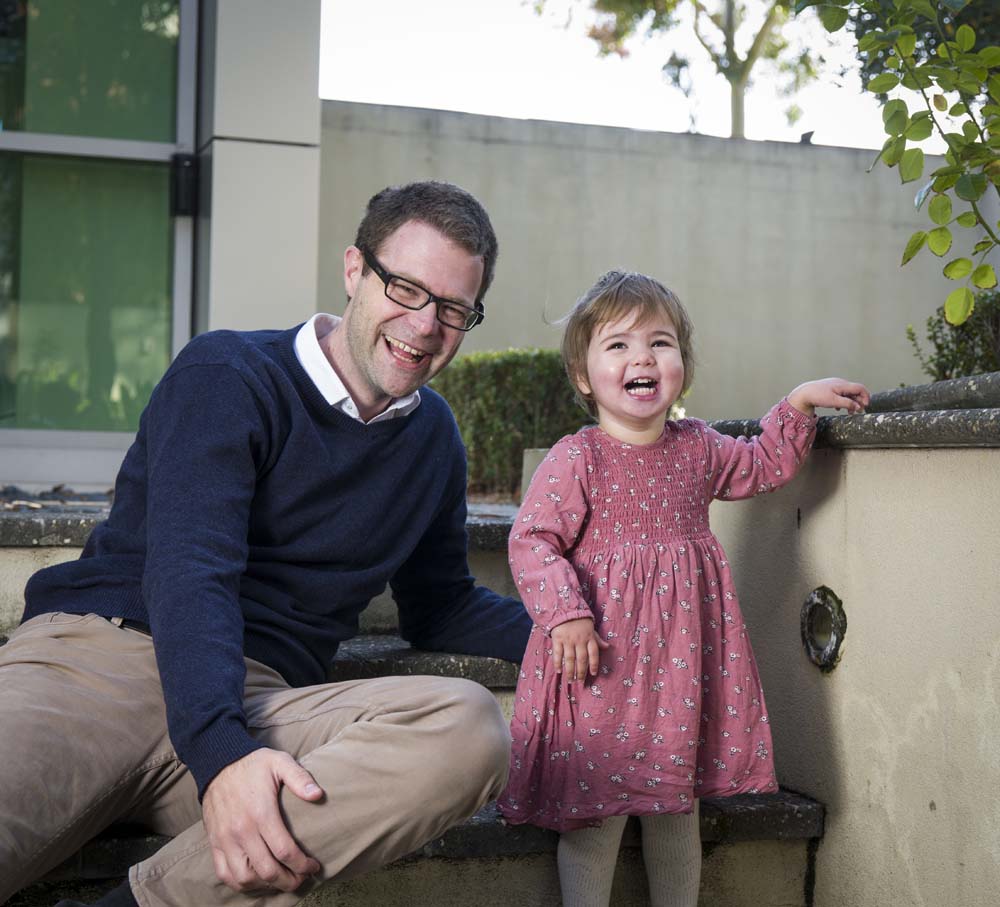
Autism researcher, Professor Andrew Whitehouse from The Kids has been named a finalist in the Eureka Prize for Emerging Leader in Science
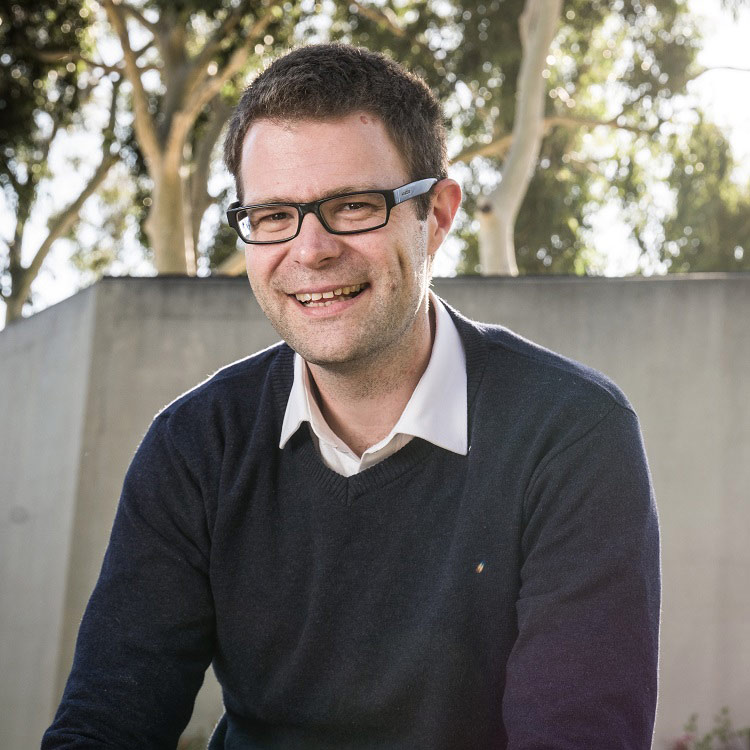
Professor Andrew Whitehouse awarded the most prestigious award in the country for young researchers – the 3M Eureka Prize for Emerging Leader in Science.
Maternal immune activation and prenatal maternal stress are well-studied risk factors for psychiatric conditions such as autism and schizophrenia. Animal studies have proposed the gut microbiome as a mechanism underlying this association and have found that risk factor-related gut microbiome alterations persist in the adult offspring.
Aotearoa New Zealand does not provide publicly-funded intensive autism support. While parent-mediated supports are promising, children and families may also benefit from direct clinician support. We tested the efficacy of a low-intensity programme involving parent- and clinician-delivered support for autistic children.