
Search
We investigated the genetic and epigenetic regulation of the UBASH3A gene and its association with early-onset sepsis. Using matched whole blood DNA methylation, gene expression, genotypes, and immune cell counts from the EPIC-HIPC newborn cohort, we report that promoter methylation was negatively correlated with ontogenetic changes in UBASH3A gene expression and circulating CD3+ T-cell numbers.
Despite the volume of accumulating knowledge from prospective Aboriginal cohort studies, longitudinal data describing developmental trajectories in health and well-being is limited.
Dynamic cellular and molecular adaptations in early life significantly impact health and disease. Upon birth, newborns are immediately challenged by their environment, placing urgent demands on the infant immune system.
B-cell epitope mapping is an approach that can identify and characterise specific antigen binding sites of B-cell receptors and secreted antibodies. The ability to determine the antigenic clusters of amino acids bound by B-cell clones provides unprecedented detail that will aid in developing novel and effective vaccine targets and therapeutic antibodies for various diseases.
Objectives: To investigate in a cluster-randomised trial whether a campaign with oral polio vaccine (C-OPV) reduced mortality and morbidity.

Clinical Research Manager
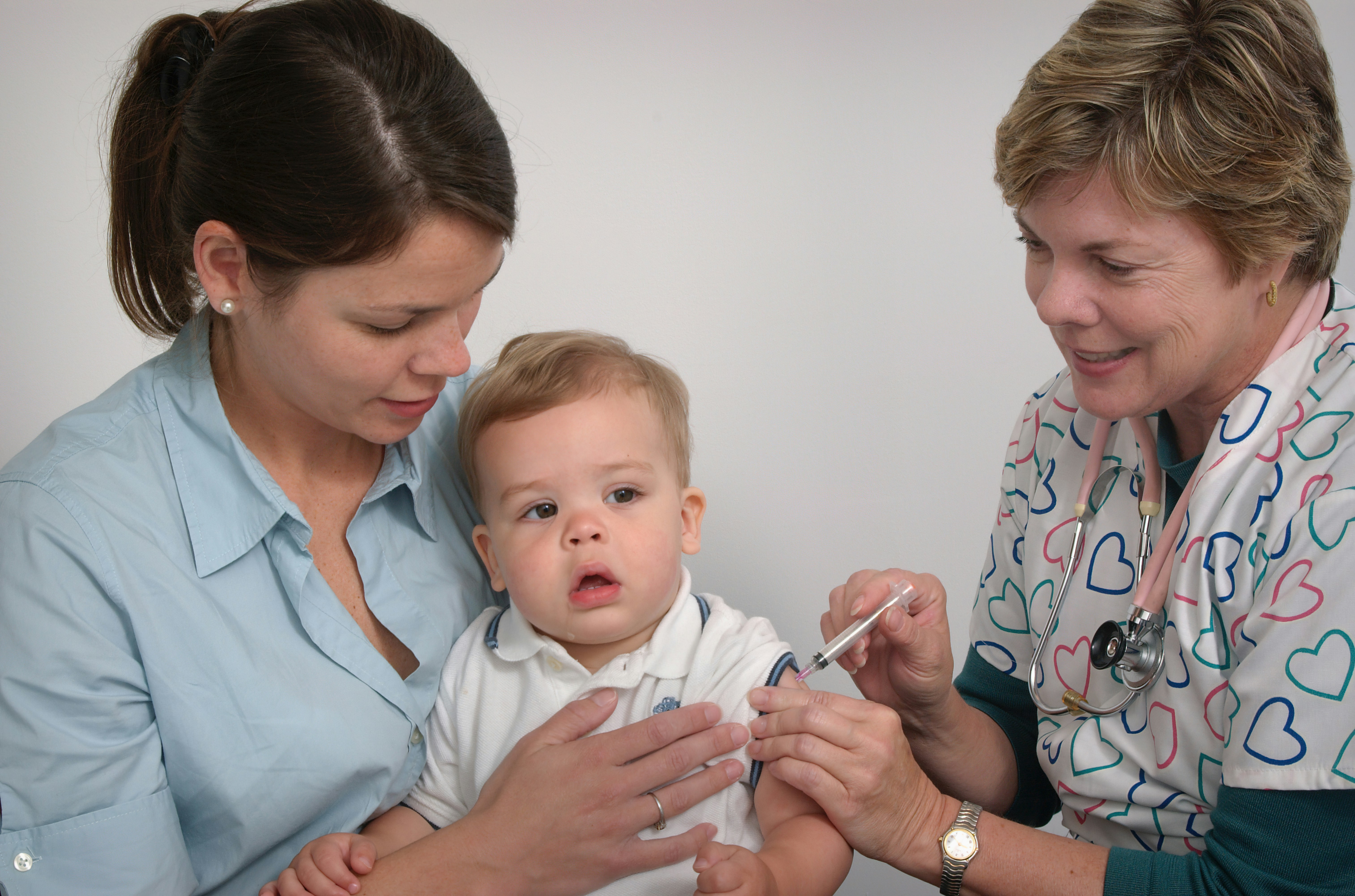
Researchers at The Kids Research Institute Australia have helped map the global impact of life saving vaccines to mark the 50-year anniversary of the Expanded Programme on Immunisation (EPI).
To investigate the long-term impact of recurrent otitis media (rOM) and ventilation tube insertion (VTI) in early childhood on hearing outcomes and middle-ear health three to five years later, in a prospective pregnancy cohort study.
Despite widespread use of pneumococcal conjugate vaccines (PCVs) in children, morbidity and mortality caused by pneumococcal disease (PD) remain high. In addition, many children do not complete their PCV course on schedule. V114 is a 15-valent PCV that contains two epidemiologically important serotypes, 22F and 33F, in addition to the 13 serotypes present in PCV13, the licensed 13-valent PCV.
Children in low-mid income countries, and First Nations children in high-income countries, experience disproportionately high rates of Streptococcus pneumoniae and Haemophilus influenzae infections and diseases including pneumonia and otitis media.