
Search
Showing results for "early life"
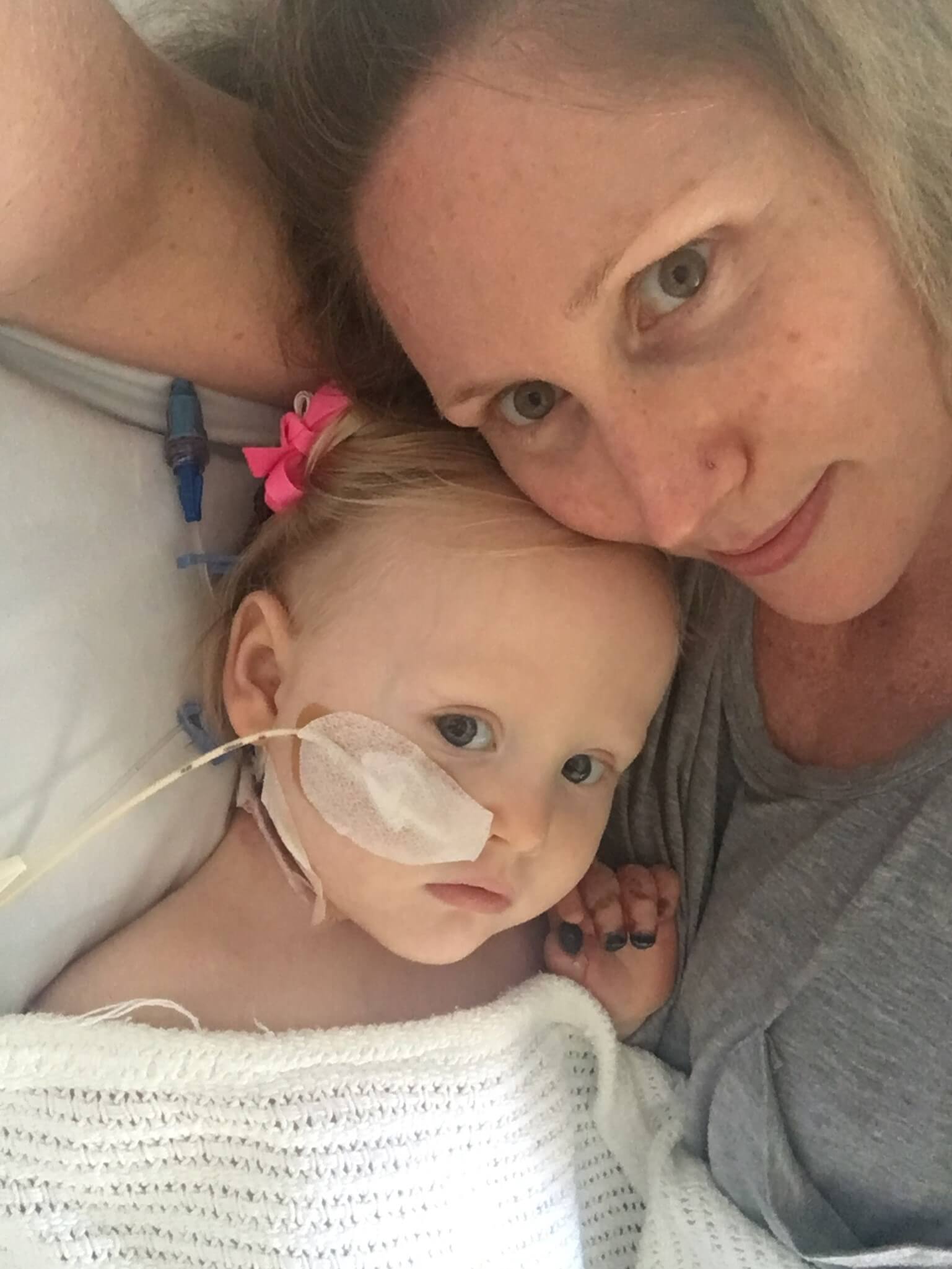
"I had never heard of invasive Streptococcus A disease before, and I was shocked to hear that it is actually three times more common than meningococcal disease and just as deadly yet there is no vaccine to protect against it."
This project evaluates the effectiveness of the Adult Migrant English Program (AMEP). To date, we have produced five research reports submitted to the Australian Government Department of Home Affairs.
While profound treatment responses have been realised using immunotherapy for some cancer types, this is yet to be seen for paediatric brain cancer patients.
The mission of SAVAC, the Strep A Vaccine Global Consortium, to ensure that safe, effective and affordable Strep A vaccines are available and implemented to decrease the burden of Strep A disease in the most in need.
This project aims to explore how Australian children spend their time over an extended and important period of their lives (from birth to 16/17 years old) and how such time allocation contributes to their development outcomes.
Non-invasive and sensitive clinical endpoints are needed to monitor onset and progression of early lung disease in children with cystic fibrosis (CF). We compared lung clearance index (LCI), FEV1, functional and structural lung magnetic resonance imaging (MRI) outcomes in Swiss children with CF diagnosed following newborn screening.
After randomized, controlled trials established that consumption of folic acid before pregnancy and during the early weeks of gestation reduces the risk...
NDD's such as ASD, ADHD and ID, commonly emerge during early development and impacts function across cognitive, social-emotional, communication and sensorimotor

New research by The Kids Research Institute Australia has found children who attend playgroups achieve better early primary school outcomes.
most children report mental health and well-being, but the population distribution spanned the full range of possible scores on every construct.