
Search
Showing results for "early life"
A number of studies at The Kids Research Institute Australia show that reading and talking with your child and sharing language-based encounters, can have a huge impact.
CP Movetime aims to establish and test a technology-based application to improve health outcomes by monitoring device measured sedentary behaviours in non-ambulant children and youth with cerebral palsy.
Using over 50 thousand time-use diaries from two cohorts of children, we document significant gender differences in time allocation in the first 16 years in life. Relative to males, females spend more time on personal care, chores and educational activities and less time on physical and media related activities. These gender gaps in time allocation appear at very young ages and widen overtime.
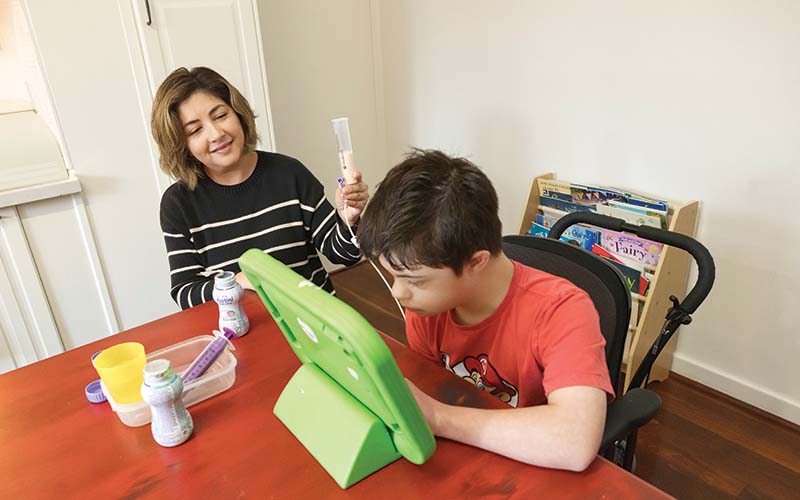
For thousands of children around Australia with intellectual and other disabilities, the process of eating can be traumatic, posing challenges that veer from uncomfortable to life threatening.
Amidst growing concerns over heightened natural disaster risks, this study pioneers an inquiry into the causal impacts of cyclones on the demand for private health insurance in Australia. We amalgamate a nationally representative longitudinal dataset with historical cyclone records, employing an individual fixed effects model to assess the impacts of various exogenously determined cyclone exposure measures.
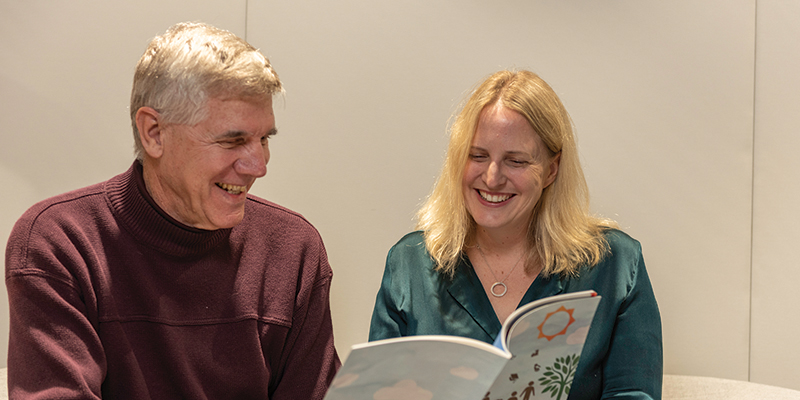
Professor Zubrick and Dr Kirsten Hancock are among several Telethon Kids researchers working through the Life Course Centre.
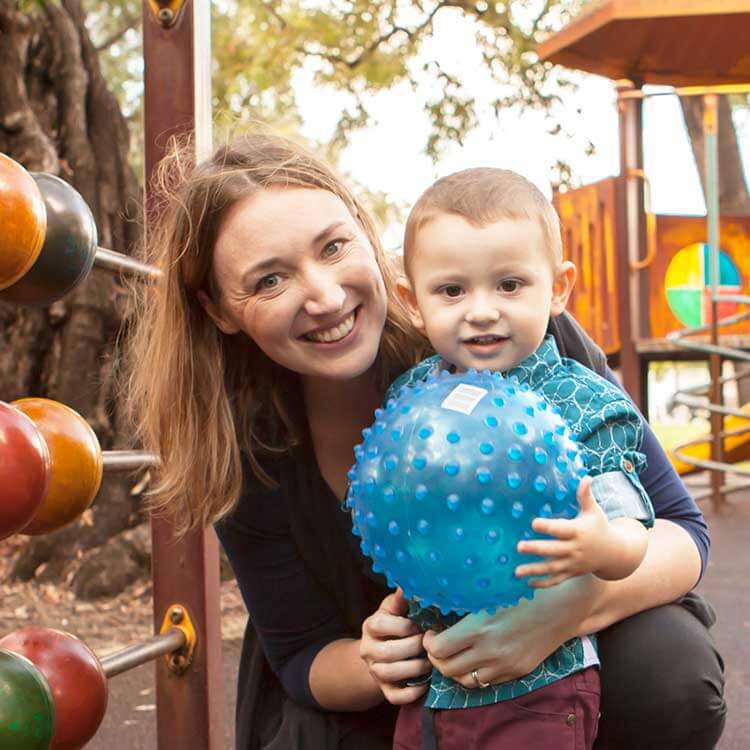
Researchers around the world, including at The Kids Research Institute Australia, are playing catch up as they try to understand what is causing the big increase in allergies
Family Day Care (FDC) is an essential service supporting Australian families requiring convenient, versatile, and quality education and care for their children. FDC educators’ mental wellbeing (MWB), often overlooked, is vital to ensure optimal education and care. This study aimed to gauge Australian FDC educators’ MWB and identify factors positively or negatively affecting MWB.
Evidence-based recommendations exist for early discharge (before 48 h) of young infants with fever without source (FWS) at low risk of serious bacterial infections (SBIs). However, concerns regarding the applicability of international data to local contexts may hinder implementation. We aimed to describe the local epidemiology of FWS and evaluate a newly implemented risk-stratification guideline to support practice change.
Early supports to enhance social development in children with autism are widely promoted. While oxytocin has a crucial role in mammalian social development, its potential role as a medication to enhance social development in humans remains unclear.