
Search
Showing results for "early life"
The mission of SAVAC, the Strep A Vaccine Global Consortium, to ensure that safe, effective and affordable Strep A vaccines are available and implemented to decrease the burden of Strep A disease in the most in need.
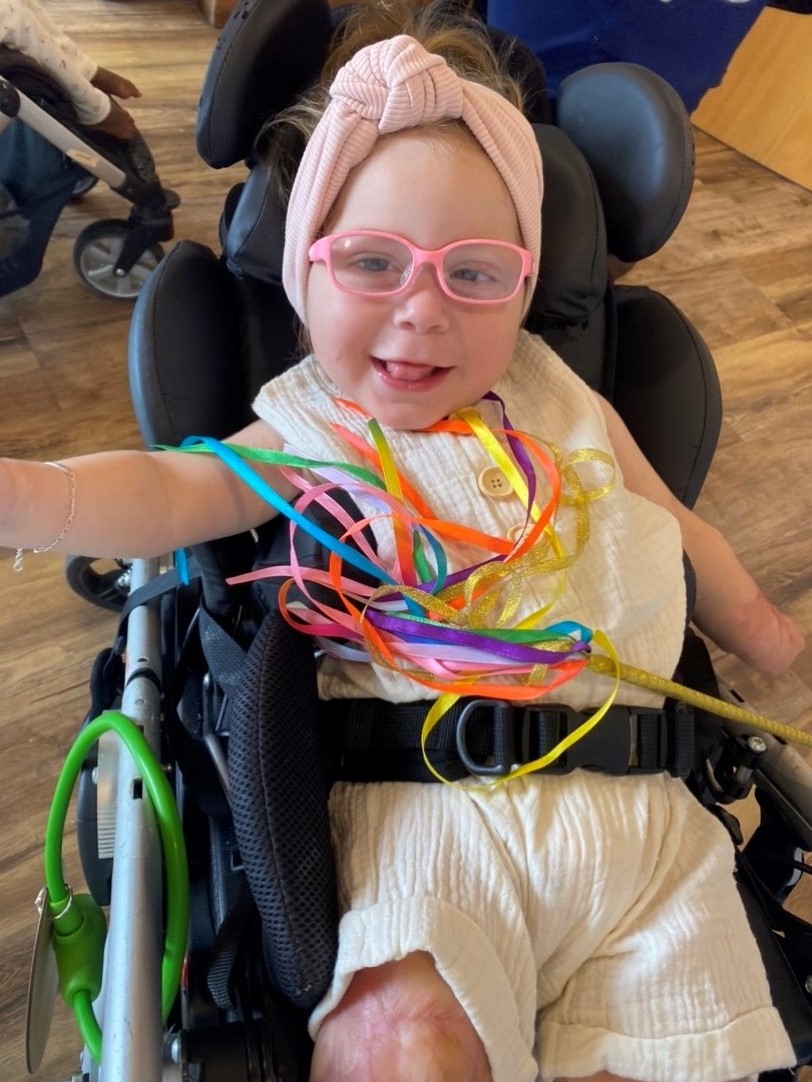
Ten years of dedicated research investigating the Meningococcal ACWY vaccine paid off 20 times over in 2019, after its inclusion on the National Immunisation Program saw a significant decrease in children being diagnosed with the deadly disease.
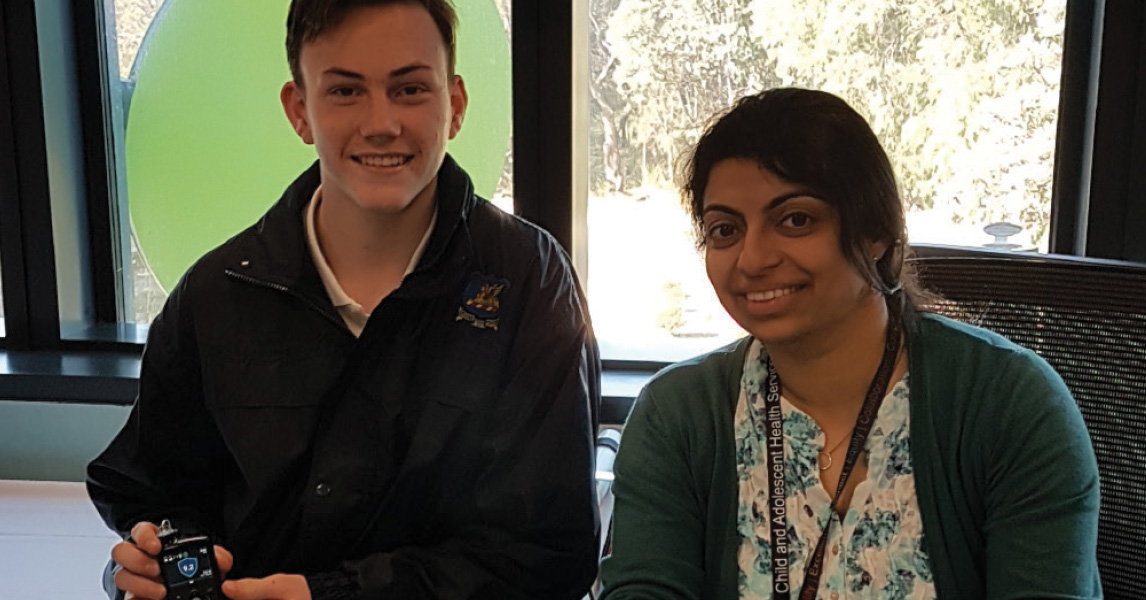
One hundred years after the discovery of insulin, technology advancements are being heralded as the dawn of a new era for managing type 1 diabetes (T1D) in young people.
This study investigated the extent to which prenatal and perinatal risk factors were associated with LLE in a population-level sample of twins at age 2 without overt disability.
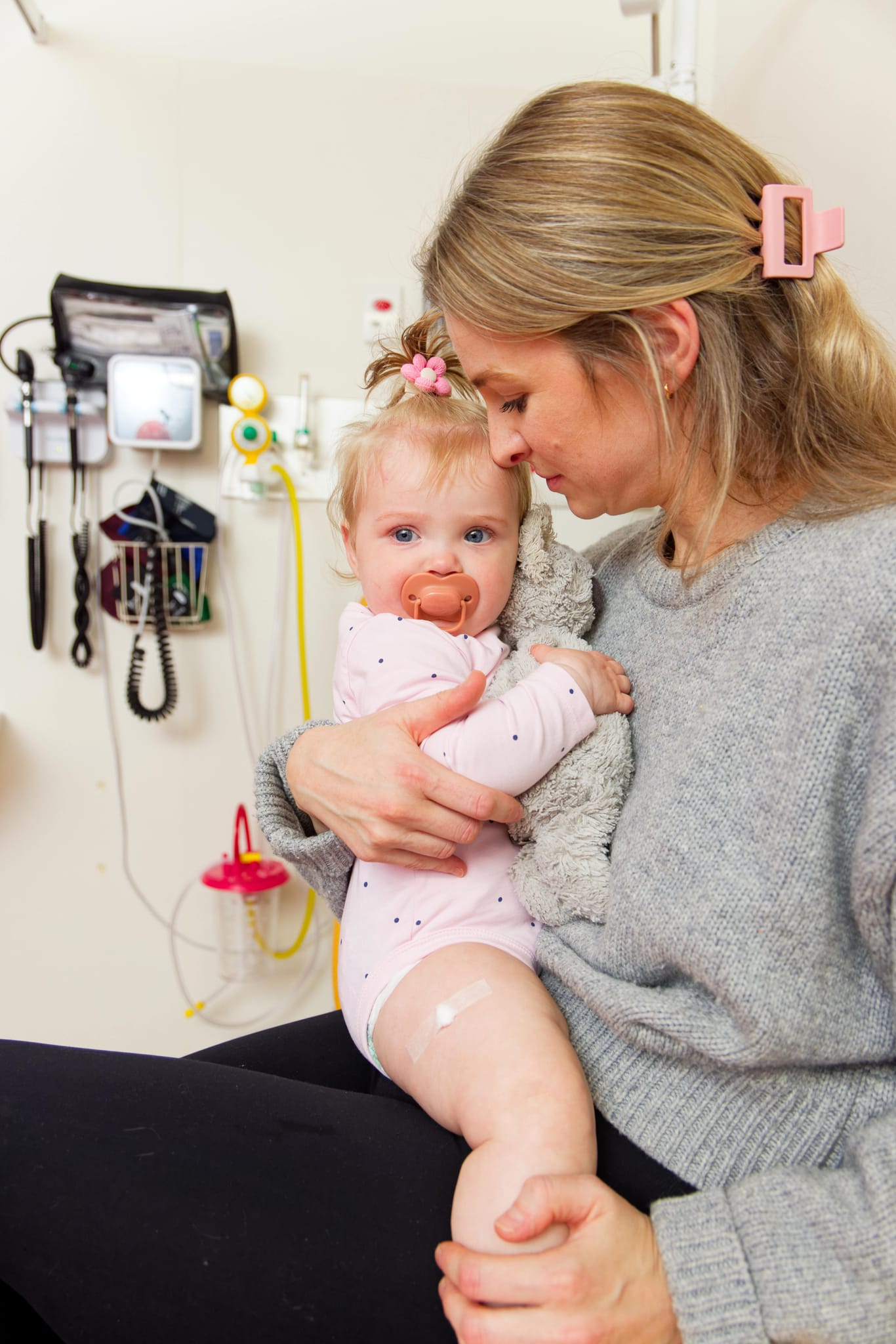
A life-saving meningococcal vaccine covering all five common strains of the deadly disease could soon be available thanks to vital research demonstrating the safety and effectiveness of a combination Men ABCWY vaccine.
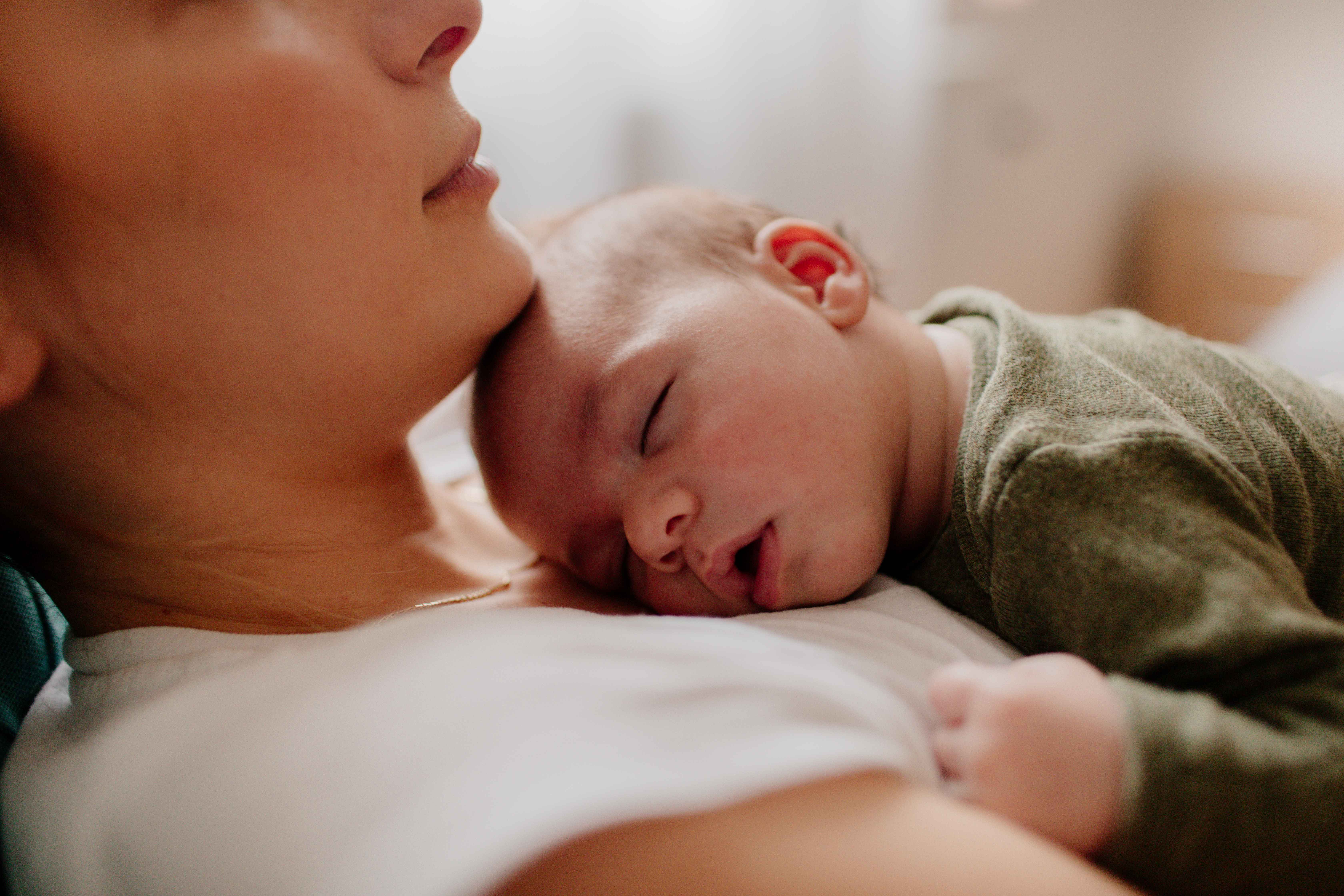
Researchers from the Wesfarmers Centre of Vaccines and Infectious Diseases, based at The Kids Research Institute Australia, have launched an online guidance tool designed to help families and health-care providers in WA learn the best way to protect babies and young children against life-threatening respiratory syncytial virus (RSV).

Former West Australian Treasurer, Hon Ben Wyatt, has accepted a position on the Board of WA’s leading medical research organisation, The Kids Research Institute Australia.
A new study has found that swimming pools in remote Aboriginal communities can dramatically reduce rates of skin, ear and chest infections
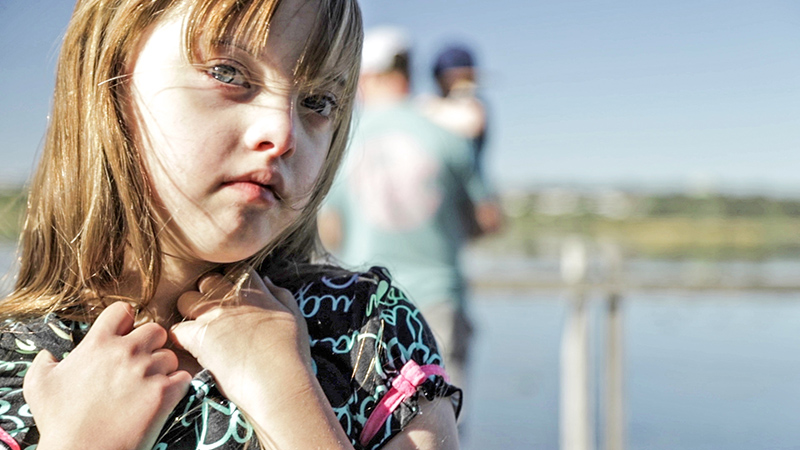
Eight-year-old Mikayla is the miracle child her parents never thought they would have. They’d tried for seven years to have a baby, and when Mikayla was finally born they couldn’t contain their excitement or pride. The fact she had Down syndrome was secondary.
Older adults are significantly less likely than their younger counterparts to engage in physical activity. Comprehensive policies to support healthy ageing thus need to include components encouraging greater participation in physical activity in later life. This study tested potential messages for use in health communication campaigns aimed at increasing physical activity among older adults.