
Search
Showing results for "early life"
The role of HOXD10 in the regulation of VEGFR-3 signaling in lymphatic endothelial cells, and in the control of lymphangiogenesis and permeability
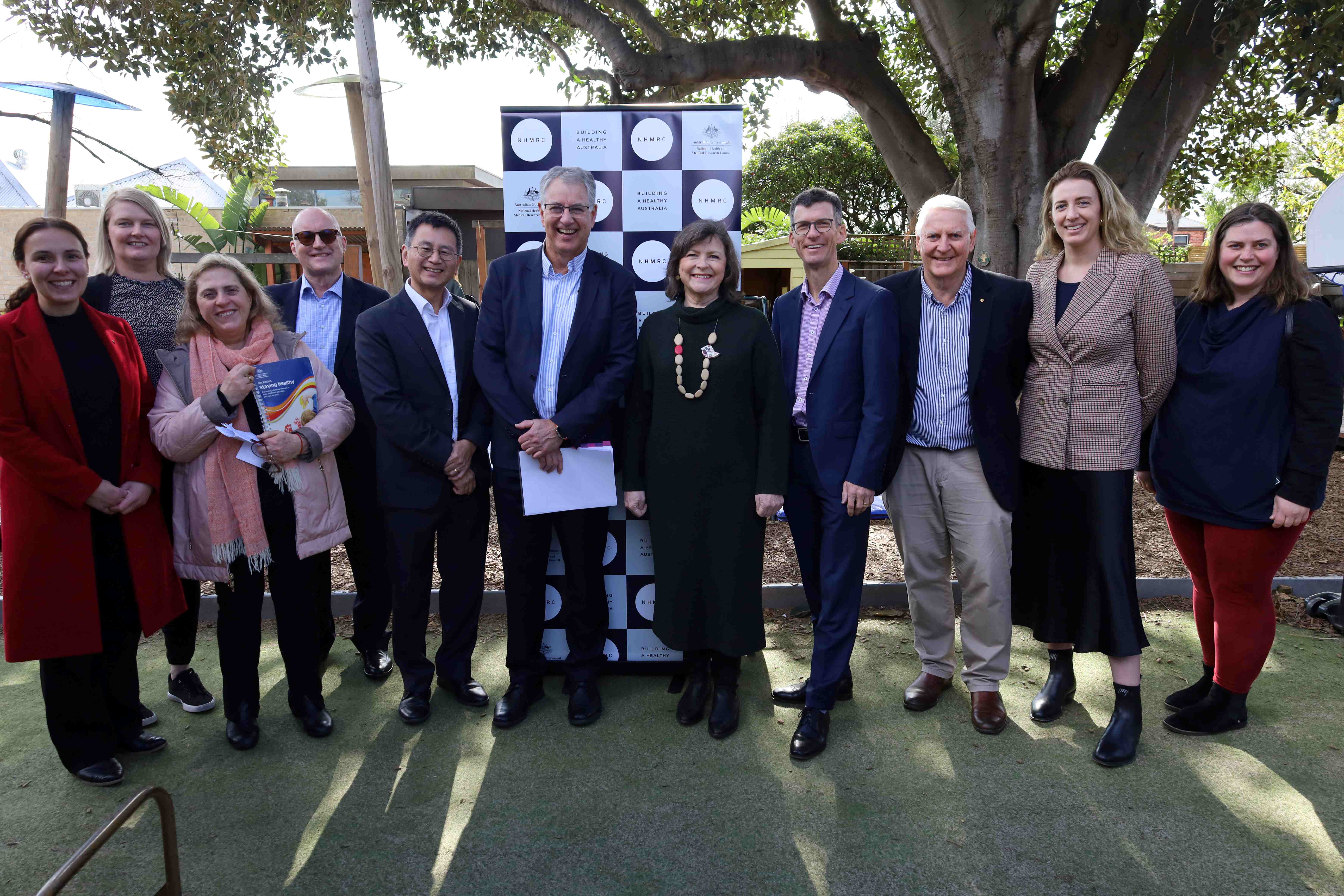
The National Health and Medical Research Council (NHMRC) has launched their sixth edition of Staying healthy: Preventing infectious diseases in early childhood education and care services in a bid to tackle the transmission of germs amongst young kids.

Senior Speech Pathologist
Early supports to enhance social development in children with autism are widely promoted. While oxytocin has a crucial role in mammalian social development, its potential role as a medication to enhance social development in humans remains unclear.
Senior Research Officer - Brain and Behaviour
The Fraser Mustard Centre Adelaide is looking for a Senior Research Officer responsible for coordinating research on the Early Intervention Research Directorate
Regression, including the loss of previously learned skills, such as hand function and communication skills, is one of the most suggestive features of Rett synd
Our study investigates the maternal, pregnancy, and newborn risk factors by gender for children prescribed stimulant medication for treatment of ADHD in WA.
ENVISAGE is a validated evidence-based program of facilitated group workshops for parents and carers of young children, aged 0-8 years, with a newly identified disability or who have concerns regarding their child’s development.
Evidence-based recommendations exist for early discharge (before 48 h) of young infants with fever without source (FWS) at low risk of serious bacterial infections (SBIs). However, concerns regarding the applicability of international data to local contexts may hinder implementation. We aimed to describe the local epidemiology of FWS and evaluate a newly implemented risk-stratification guideline to support practice change.