
Search

Australia’s first needle-free, gene-based COVID-19 vaccine study will be spear-headed in WA by The Kids Research Institute Australia thanks to almost $6 million in Coronavirus Research Response funding announced by Health Minister Greg Hunt.
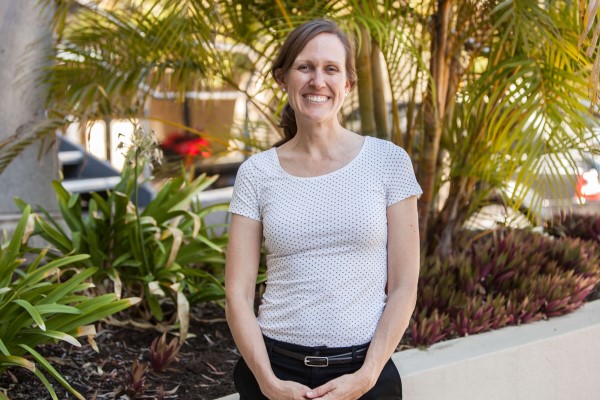
One of Australia’s leading infectious disease experts, Associate Professor Asha Bowen, has been announced as a finalist for the country’s leading national science awards – the Australian Museum Eureka Prizes.
Influenza and COVID-19 infections during pregnancy may have serious adverse consequences for women as well as their infants. However, uptake of influenza and COVID-19 vaccines during pregnancy remains suboptimal. This study aims to assess the effectiveness of a multi-component nudge intervention to improve influenza and COVID-19 vaccine uptake among pregnant women.
Vaccination in pregnancy is the best strategy to reduce complications from influenza or pertussis infection in infants who are too young to be protected directly from vaccination. Pregnant women are also at risk of influenza complications preventable through antenatal vaccination. Both vaccines are funded under the National Immunisation Program for pregnant women in Australia, but coverage is not routinely reported nationally.
Belaynew Christopher Peter Hannah Minda Huong Taye Blyth Richmond Moore Sarna Le MD, MPH, PhD MBBS (Hons) DCH FRACP FRCPA PhD MBBS MRCP(UK) FRACP OAM
Following reduction of public health and social measures concurrent with SARS-CoV-2 Omicron emergence in late 2021 in Australia, COVID-19 case notification rates rose rapidly. As rates of direct viral testing and reporting dropped, true infection rates were most likely to be underestimated.
Gram-negative bloodstream infections (GNBSIs) more commonly occur in children with comorbidities and are increasingly associated with antimicrobial resistance. There are few large studies of GNBSIs in children that relate the clinical presentation, pathogen characteristics, and outcomes.
The Australian and New Zealand Paediatric Infectious Diseases (ANZPID) Group of the Australasian Society for Infectious Diseases (ASID) calls for urgent consideration of the needs and voices of children in response to the COVID-19 pandemic, and in planning for future pandemics.
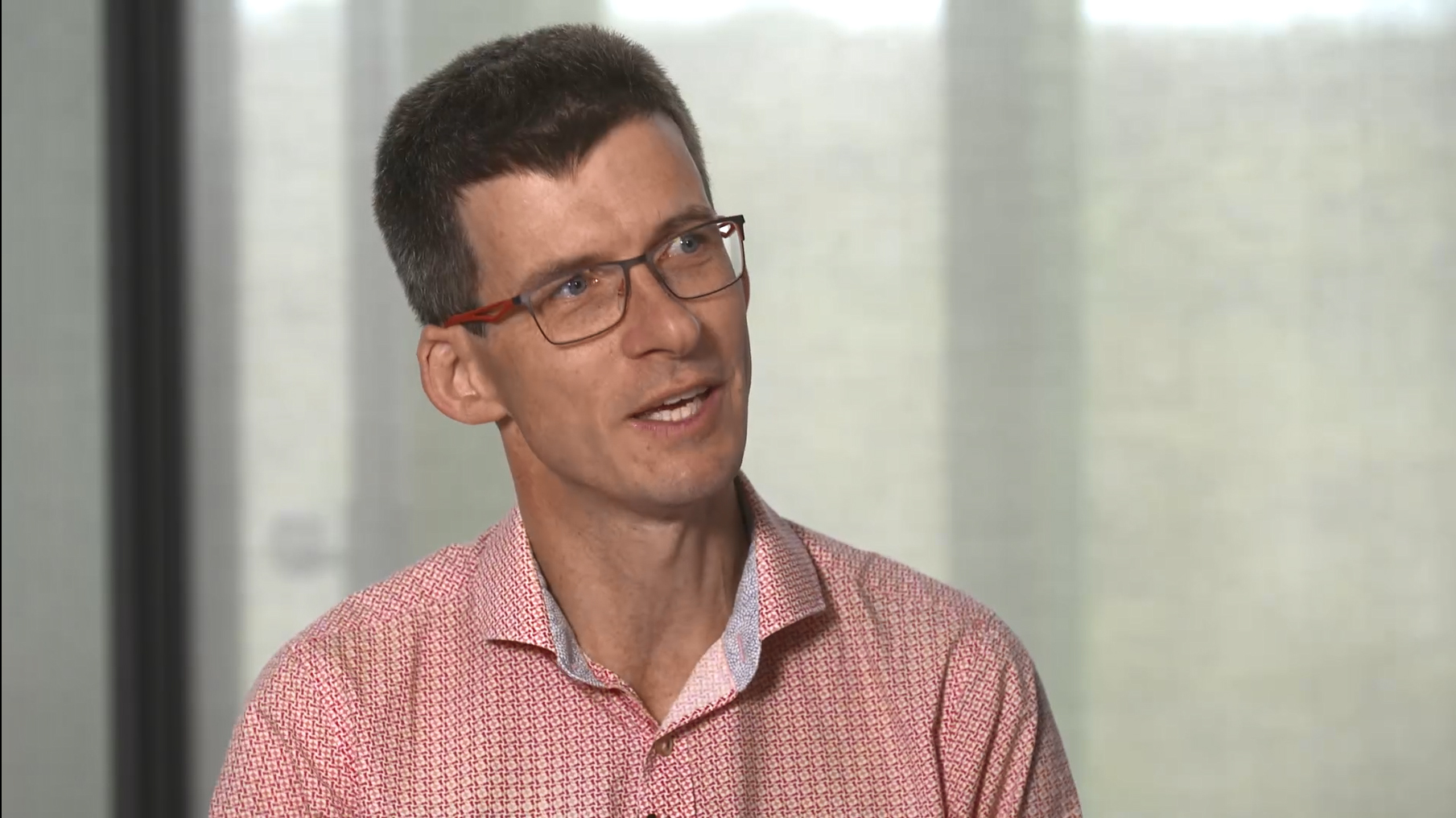
The Kids Research Institute welcomes WA's $11M RSV immunisation program, offering free Nirsevimab to infants, aiming to reduce winter hospitalisations.
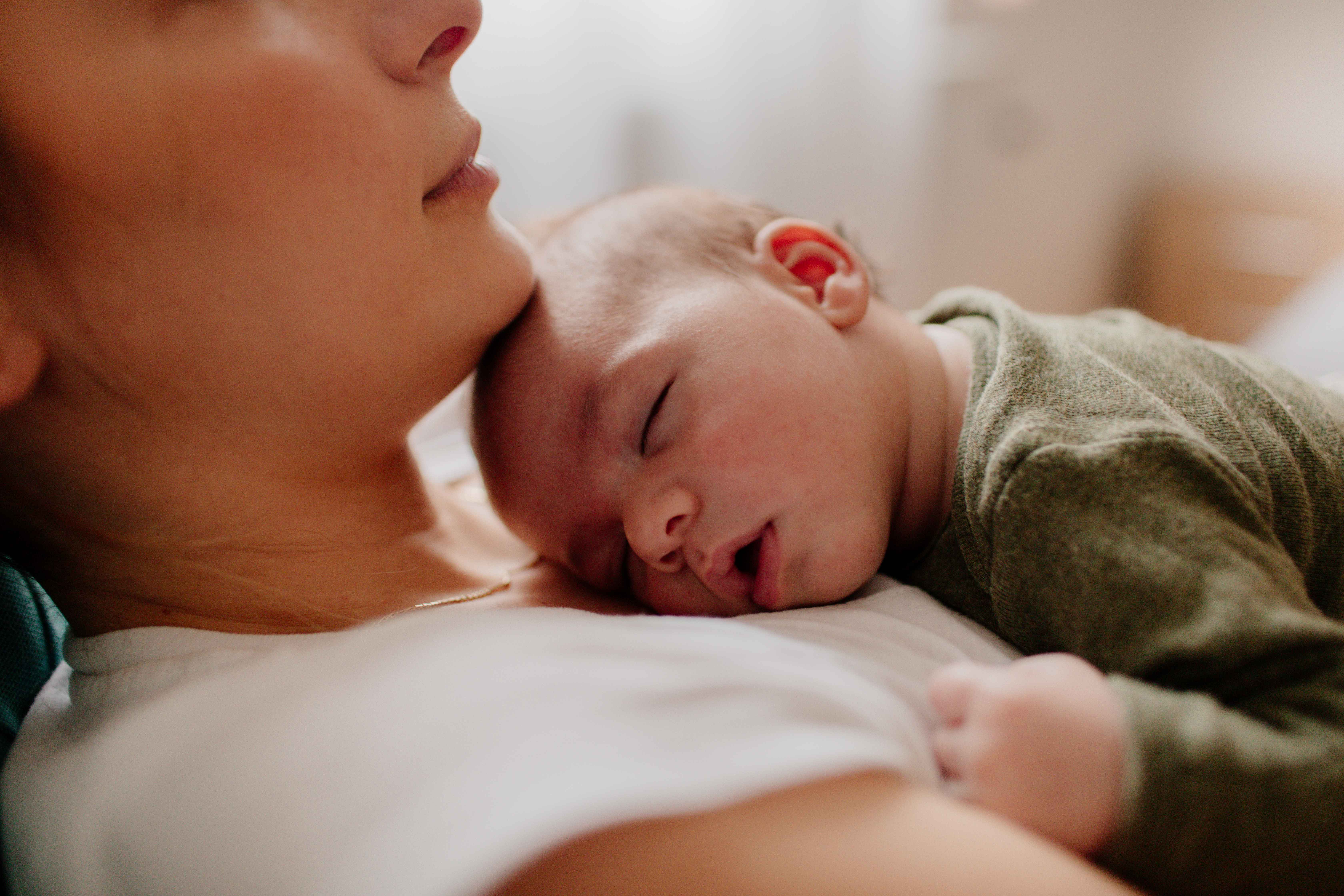
Researchers from the Wesfarmers Centre of Vaccines and Infectious Diseases, based at The Kids Research Institute Australia, have launched an online guidance tool designed to help families and health-care providers in WA learn the best way to protect babies and young children against life-threatening respiratory syncytial virus (RSV).