
Search
Showing results for "early life"
Post-tuberculosis (TB) sequelae present a significant challenge in the management of TB survivors, often leading to persistent health issues even after successful treatment. Identifying risk factors associated with post-TB sequelae is important for improving outcomes and quality of life of TB survivors. This systematic review and meta-analysis aims to identify risk factors associated with long-term physical sequelae among TB survivors.
Future trends in disease burden and drivers of health are of great interest to policy makers and the public at large. This information can be used for policy and long-term health investment, planning, and prioritisation. We have expanded and improved upon previous forecasts produced as part of the Global Burden of Diseases, Injuries, and Risk Factors Study (GBD) and provide a reference forecast (the most likely future), and alternative scenarios assessing disease burden trajectories if selected sets of risk factors were eliminated from current levels by 2050.
The ability to balance conflicting functional demands is critical for ensuring organismal survival. The transcription and repair of the mitochondrial genome requires separate enzymatic activities that can sterically compete, suggesting a life-long trade-off between these two processes.
Pregnant women who already have an autistic child are being sought for a study by the Autism Research Team at WA's The Kids for Child Health Research.
The most common cause of morbidity and mortality in children with severe cerebral palsy (CP) is respiratory disease. BREATHE-CP (Better REspiratory and Airway Treatment and HEalth in Cerebral Palsy) is a multidisciplinary research team who have conducted research on the risk factors associated with CP respiratory disease, a systematic review on management and a Delphi study on the development of a consensus for the prevention and management of respiratory disease in CP.

Western Australian kids will have access to a needle-free nasal flu vaccine for the first time in 2026 as part of a new initiative to boost vaccination rates against the life-threatening virus.
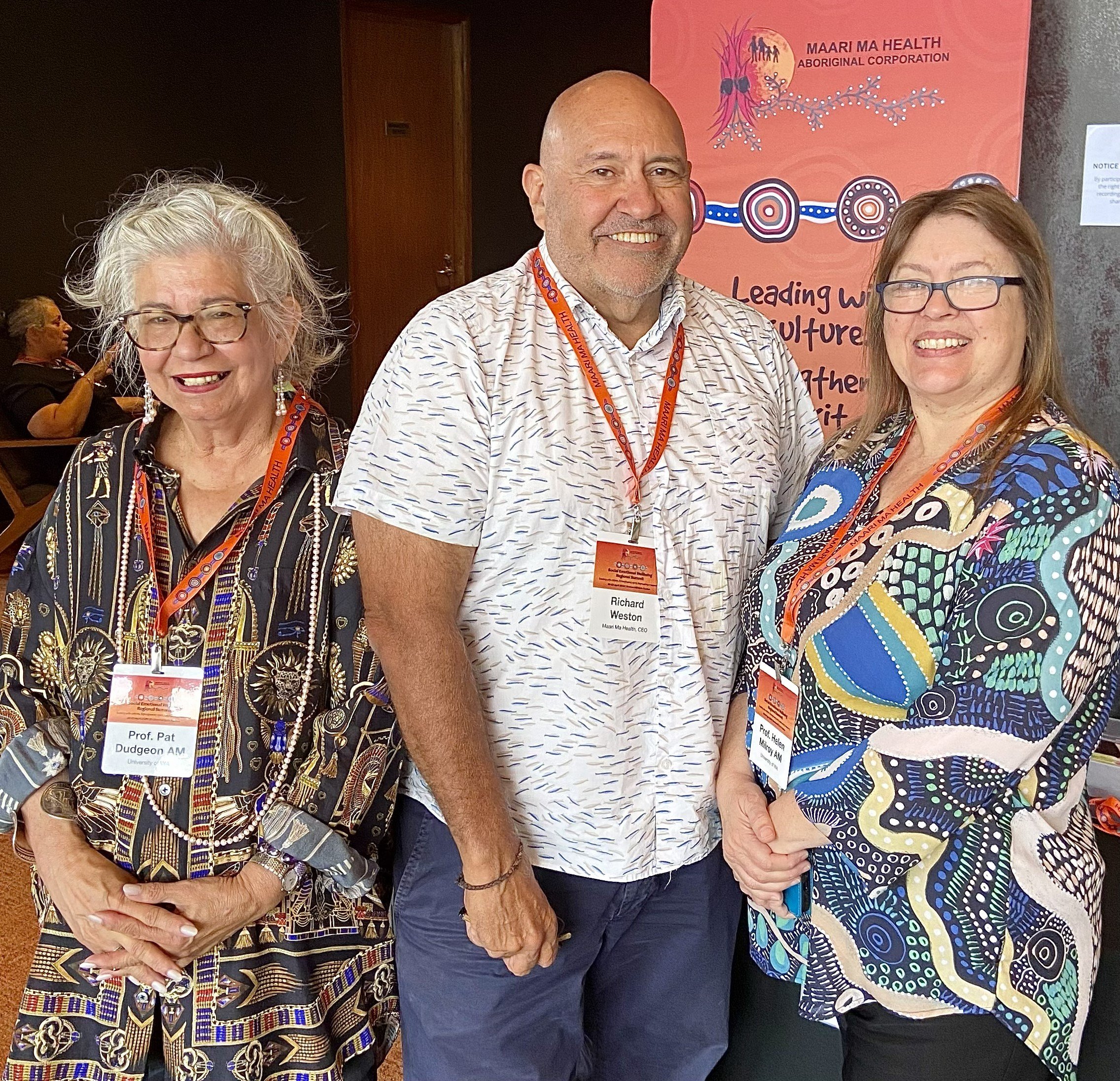
Professor Pat Dudgeon (UWA), Richard Weston (Maari Ma Health CEO), and Professor Helen Milroy
This project addresses the growing issue of technology-facilitated abuse against women and girls, particularly in regional Western Australian communities where risks are heightened, and access to support is limited.
Using a dataset of Australian children, we have the opportunity to not only investigate the transfer of educational resources across 3 generations in Australia.
Understanding variations in risk profiles among persistently non-attending children will inform the development of absence interventions.