
Search
Showing results for "early life"
The review examines the international literature to determine how disengagement can be defined & understood, & then examines student disengagement in Australia.
The study of moral disengagement has greatly informed research on aggression and bullying.
Pregnant women who already have an autistic child are being sought for a study by the Autism Research Team at WA's The Kids for Child Health Research.
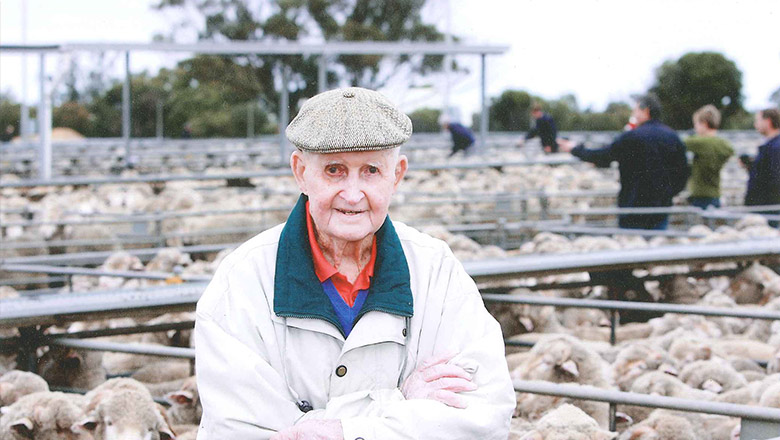
Kojonup couple George and Trish Church ensured their legacy of generosity and kindness lived on, by including The Kids in their will. Read more.
Observable signs of clinical deterioration may present differently in children with dark-coloured skin, leading to potential missed or delayed recognition. It is unknown how health professionals approach assessment in children with dark-coloured skin.

Postdoctoral Researcher
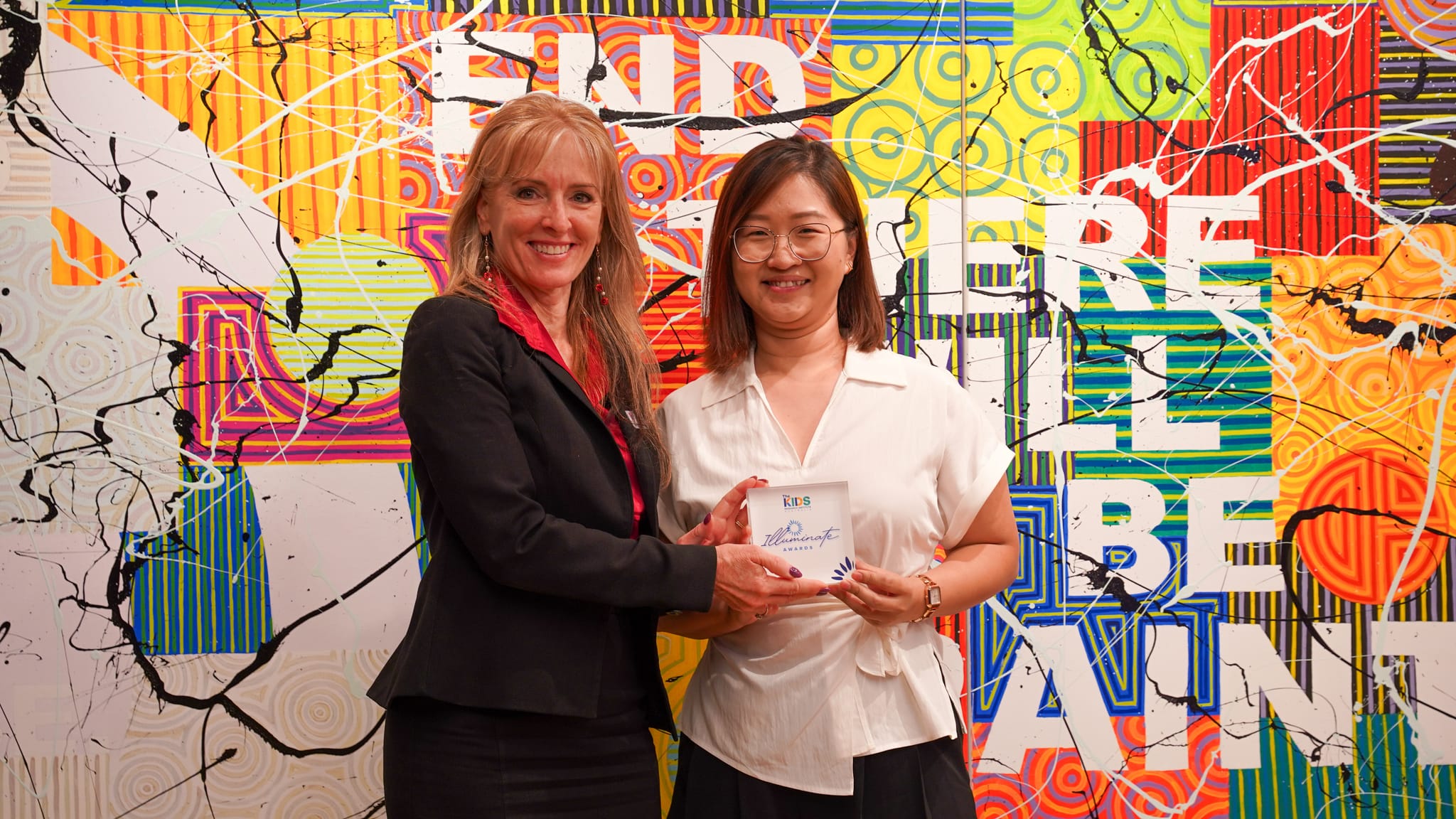
Dr Kak-Ming Ling, a Wal-yan Respiratory researcher at the Kids Research Institute Australia, has been awarded a $25,000 Illuminate Award for her work to change that. Supported by Conquer Cystic Fibrosis, the award was presented at the 2026 Illuminate PitchFest hosted by The Kids.
Did you know that 9 out of 10 children diagnosed with type 1 diabetes have no family history of the condition?
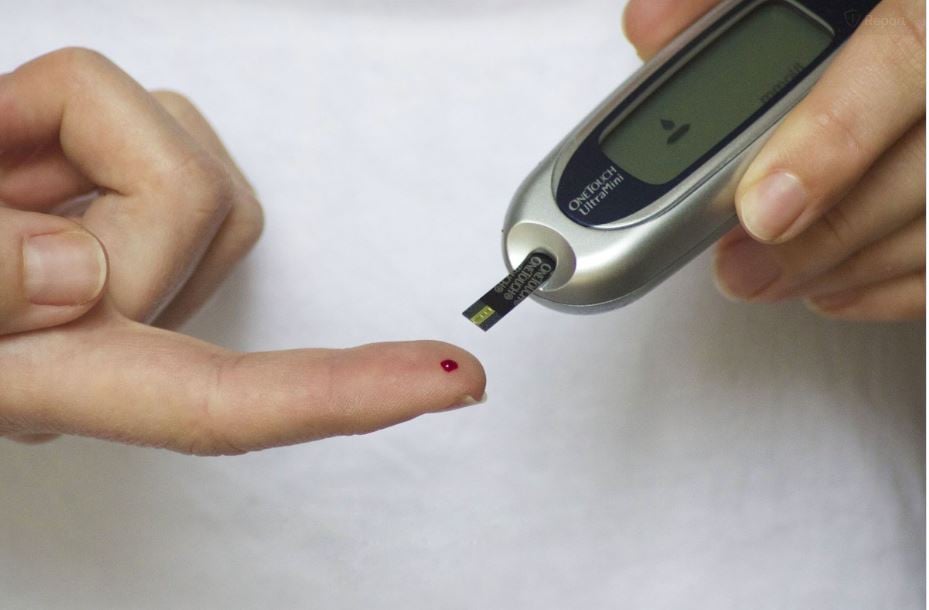
DACS – Diabetes Ambulatory Care Service – is a new model of care at Perth Children’s Hospital for children newly diagnosed with type 1 diabetes.
Preterm birth (PTB) and stillbirth remain two of the most important causes of death, morbidity, and disability in childhood. Despite efforts to reduce PTB and stillbirth worldwide, rates of these adverse outcomes remain persistently elevated, independent of income setting. There is an urgent need for more effective interventions to reduce associated neonatal and early childhood morbidity and mortality.