
Search
Showing results for "early life"
The evolutionary acquisition of mitochondria has given rise to the diversity of eukaryotic life. Mitochondria have retained their ancestral α-proteobacterial traits through the maintenance of double membranes and their own circular genome. Their genome varies in size from very large in plants to the smallest in animals and their parasites. The mitochondrial genome encodes essential genes for protein synthesis and has to coordinate its expression with the nuclear genome from which it sources most of the proteins required for mitochondrial biogenesis and function.
Anticipation and prompt relief of symptoms among patients with a life-limiting illness is a core element of palliative care. Indigenous Australians commonly encounter cultural barriers in healthcare that may impair outcomes. The Palliative Care Outcomes Collaboration collects patient care data for the purposes of continuous quality improvement and benchmarking, with each recorded care episode divided into phases that reflect a patient's condition.
The importance of lung recruitment before surfactant administration has been shown in animal studies. Well designed trials in preterm infants are absent. We aimed to examine whether the application of a recruitment manoeuvre just before surfactant administration, followed by rapid extubation (intubate-recruit-surfactant-extubate [IN-REC-SUR-E]), decreased the need for mechanical ventilation during the first 72 h of life compared with no recruitment manoeuvre (ie, intubate-surfactant-extubate [IN-SUR-E]).
Investigating whether the presence and severity of nausea and vomiting may be related to symptom severity in offspring with autism spectrum disorder
The new diagnostic category of disruptive mood dysregulation disorder (DMDD) was introduced in DSM-5
Congratulations goes to Dr Asha Bowen and Dr Ruth Thornton for being the successful first round recipients of the WCVID.

Does eating cashew nut spreads in the first year of life reduce the chances a baby will develop a cashew nut food allergy?

Video technology is helping researchers learn more about the earliest features of autism, and in turn is helping families gain access to better interventions.
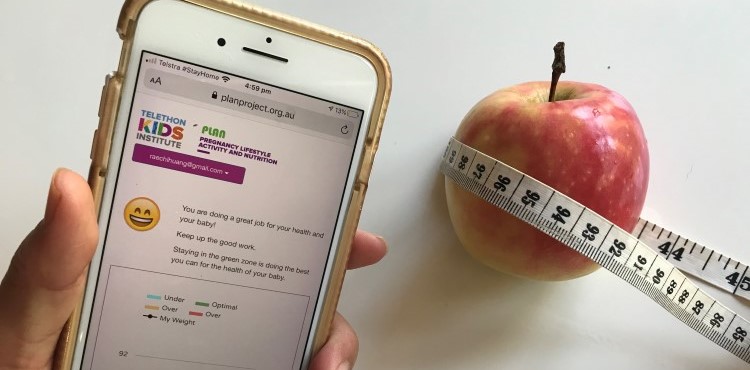
A diet and lifestyle mobile app targeting a critical window in early pregnancy is being introduced to women in the northern suburbs of Perth, hoping to assist with breaking the ‘transmission’ of obesity from one generation to the next.
Technology use in type 1 diabetes (T1D) is impacted by socioeconomic status (SES). This analysis explored relationships between SES, glycemic outcomes, and technology use.