
Search
Showing results for "early life"
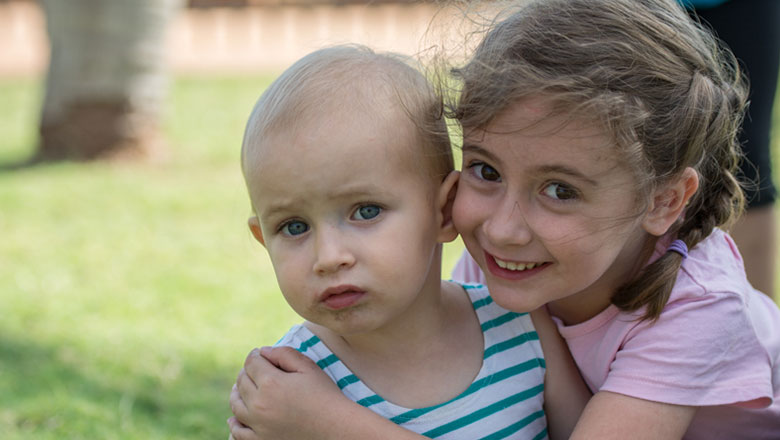
HBF Stadium & HBF Arena Open Days - Sunday 20 & 27 July The Kids researchers will be presenting to the public as part of the two open days.
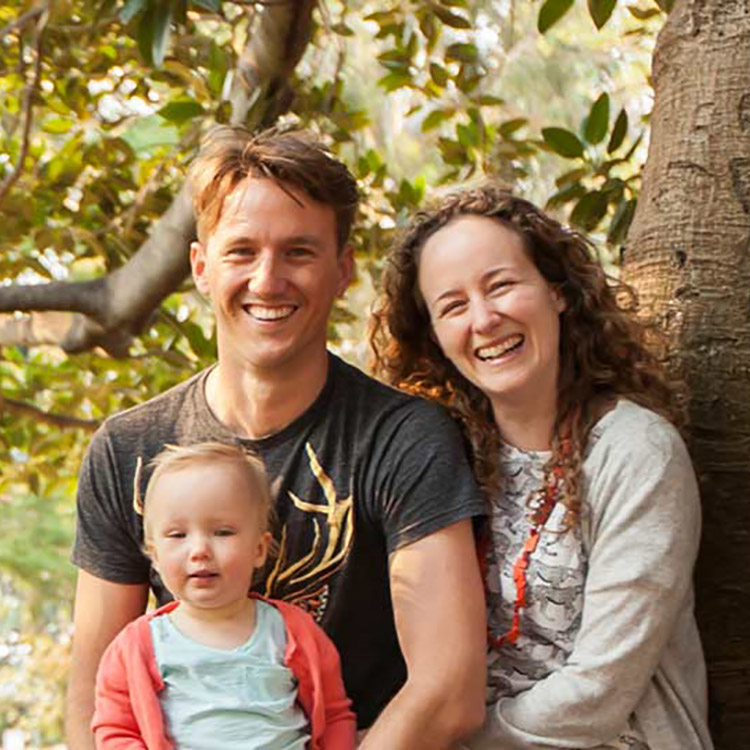
What would you discover to help a child? At The Kids, our researchers are committed to research that makes a real difference. Watch our real life researcher and family stories.
Parental severe mental illnesses (SMIs), including schizophrenia, bipolar disorder, and major depressive disorder (MDD), can impact children's well-being, yet existing meta-analyses are limited in scope and methodology and do not comprehensively assess cognitive and academic performance in offspring across SMIs.
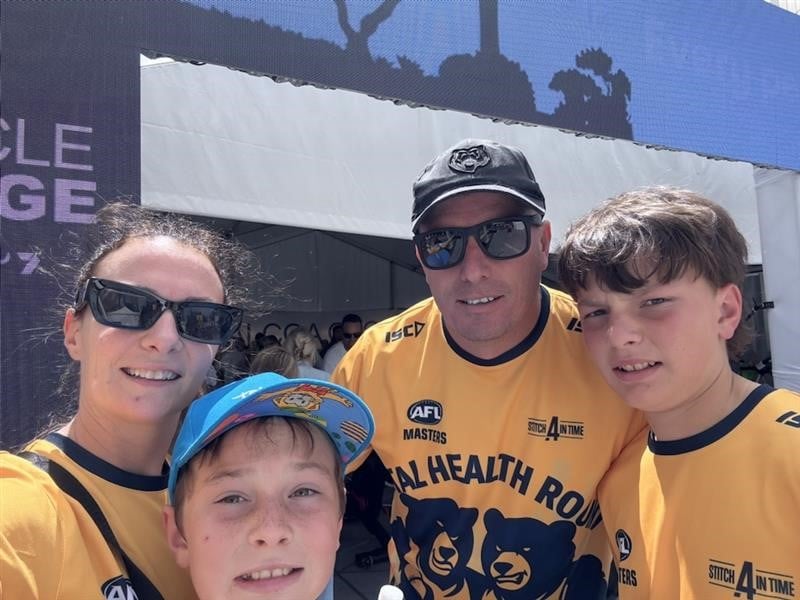
We are proud to have so many very talented and passionate children and youth in our T1D community.

We are excited to announce that applications are now open for our PhD scholarships and our Honours/Masters scholarships to support students pursuing

The Children’s Diabetes Centre is investigating the ways young people, and their primary carers, cope with stressors associated with type 1 diabetes.
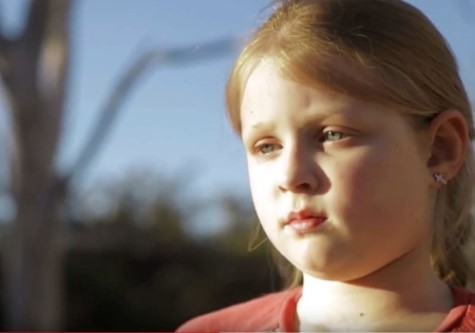
Meet eight-year-old Emily. She lives in Northam, has Type 1 Diabetes and stars in one of the videos for a new The Kids Research Institute Australia digital advertising campaign. Mother Kathleen Noble said the initial diagnosis was the hardest time for the family.

We want to ensure parents and carers have textbook tips for how to help their children deal with the pressures associated with studying for stressful assessments and for dealing with the results, whatever they may be.
Neurological disorders are a leading cause of disease burden worldwide, placing a heavy demand on health systems. This study evaluated the impacts and cost savings of a community-based nursing service providing supported discharge for neurological patients deemed high-risk for unplanned emergency department presentations and/or hospital readmissions. It focused on adult patients with stroke, epilepsy, migraine/headache or functional neurological disorders discharged from a Western Australian tertiary hospital.
The Multidimensional Adolescent Functioning Scale (MAFS) is a 23-item, self-report questionnaire assessing psychosocial functioning in adolescents aged 12-17 years. It captures three domains of functioning: 'general functioning', 'family-related functioning', and 'peer-related functioning'. The original English version has good psychometric properties. The aim of the current paper was to translate the MAFS to Dutch and to investigate the psychometric properties of this translation.