
Search
Showing results for "early life"
This study evaluated for a multifactor structure in the DASS-21 teenagers and the specifics of the 3 subscales for teenagers in general at different stages.
To coordinate and monitor clinical trial sites with the aim of meeting protocol and good clinical practice requirements.
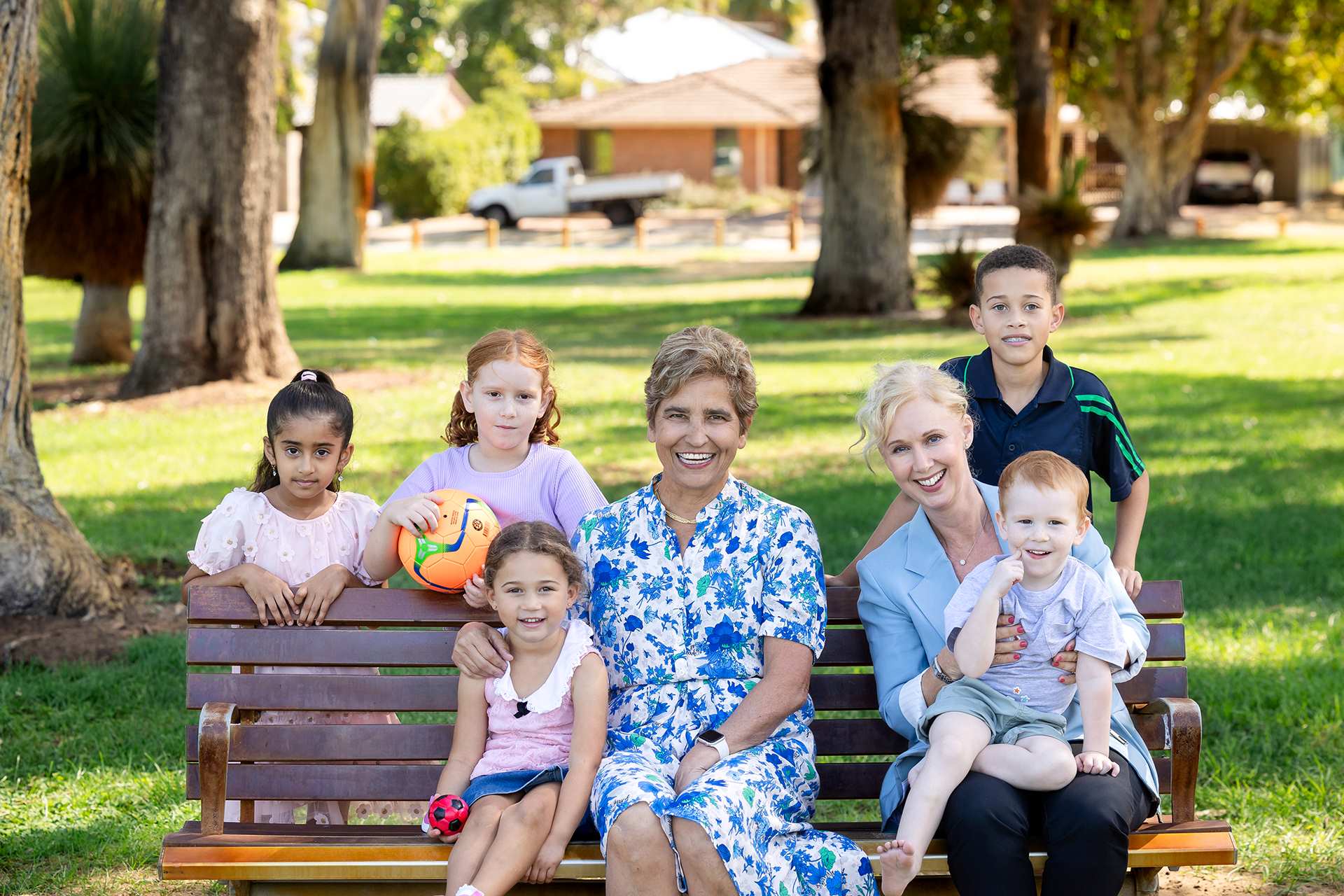
Our vision: lifelong flourishing for children and their families
Type 1 diabetes is a chronic autoimmune disease that results from the immune system attacking the insulin-producing cells of the pancreas. Unlike type 2 diabetes which is potentially preventable, type 1 is a non-preventable disease - currently, its exact cause is not known and there is no cure.
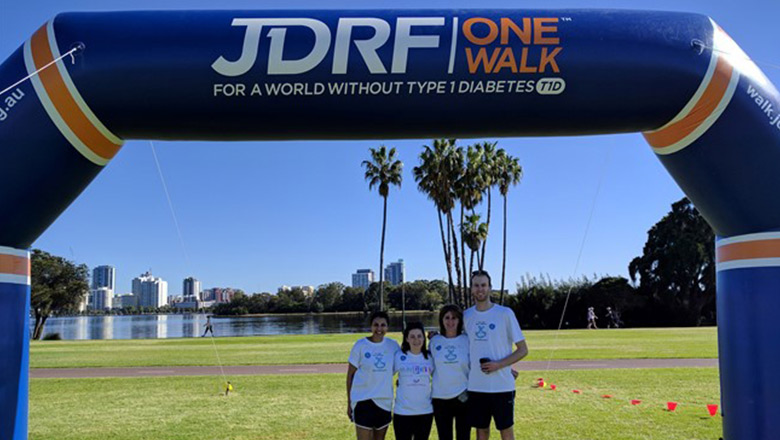
Patients, families and our centre staff members took part in JDRF's One Walk last October to raise funds for type 1 diabetes research.
The reciprocal relationship between psychiatric and substance use disorders is well-known, yet it remains largely unknown whether mental health morbidity causally leads to addictive behaviours. This paper utilises a fixed effects instrumental variables model, which is identified by time-varying sources of plausibly exogenous variations in mental health, and a nationally representative panel dataset from Australia to present robust evidence on the causal impact of mental distress on cigarette smoking and alcohol drinking behaviours.

Dr Sébastien Malinge has received a Stan Perron Charitable Foundation Research Fellowship for his pioneering research, which is paving the way for safer, targeted therapies for children with hard-to-treat leukaemia
To estimate the prevalence, distribution, and co-occurrence of mental ill-health and substance use among gender and sexuality diverse young people relative to their cisgender and heterosexual peers in Australia using population-level, nationally representative data.
Studies on health insurance coverage often rely on measures self-reported by respondents, but the accuracy of such measures has not been thoroughly validated. This paper is the first to use linked Australian National Health Survey and administrative population tax data to explore the accuracy of self-reported private health insurance (PHI) coverage in survey data.

Create happy, healthy futures for generations of children